
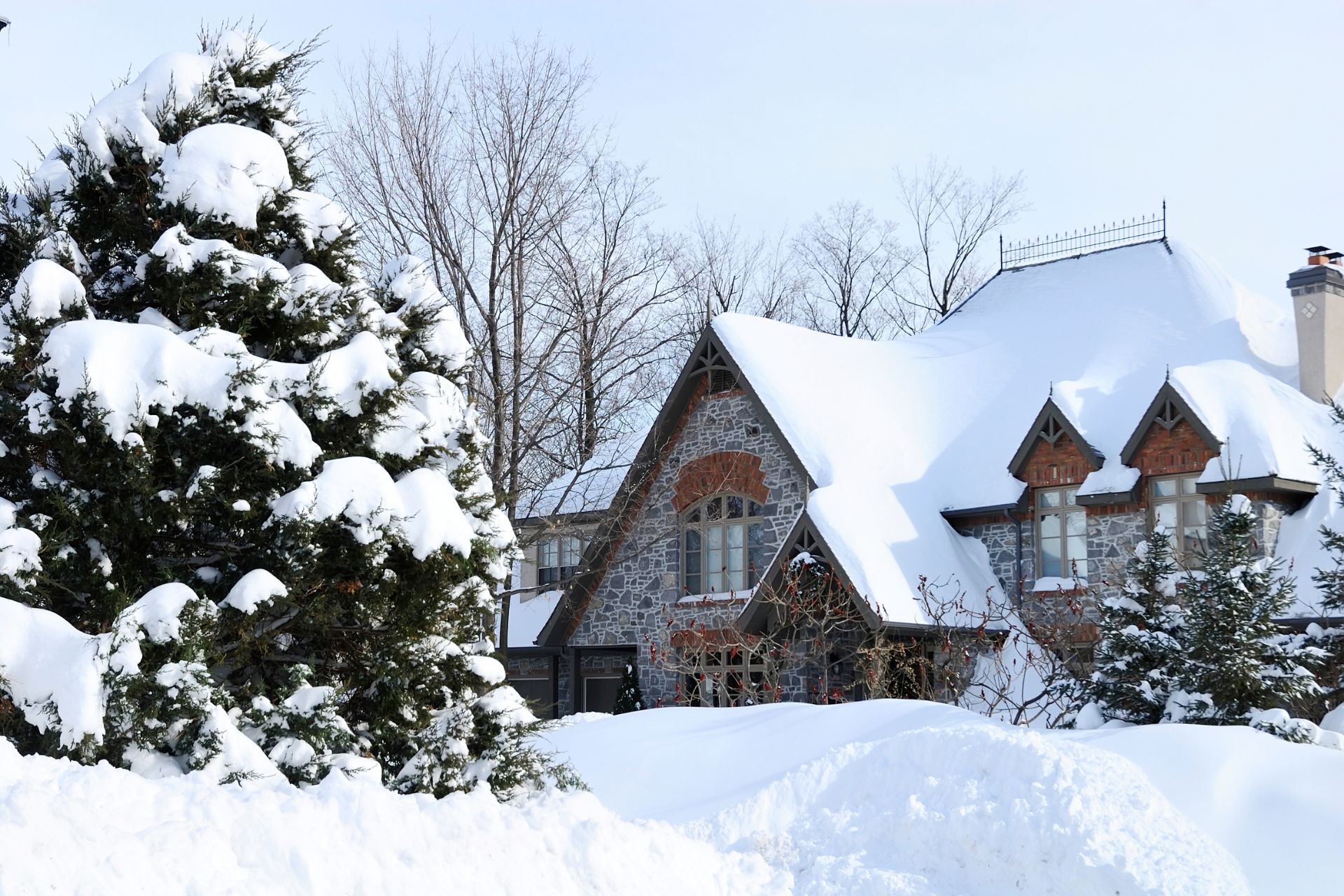
The Hidden Heat Loss Trio: How Roofs, Windows, and Doors Affect Your Winter Energy Bills
When winter energy bills surge, the furnace often takes the blame. However, even the best heating system will struggle if the home is leaking warmth through hidden weak points. This creates a costly, inefficient cycle: the furnace works hard to produce heat, that heat escapes, and the system is forced to overwork to compensate. The main culprits are a "hidden heat loss trio": the roof, the windows, and the doors. This is why consulting a trusted roofing company for an attic inspection or investing in a quality window replacement are two of the most effective strategies for improving energy efficiency. Understanding how each part of this trio contributes to higher bills is the first step toward a more comfortable and cost-effective winter.
The Roof: The "Leaky Hat" on Your Home
Since heat rises, an inefficient roof system is the single largest path for warmth to escape. This is a primary source of significant heat loss in many Canadian homes. The most obvious issue is inadequate attic insulation. Many older homes lack proper insulation by modern standards, often containing as little as R-20 instead of the recommended R-50 or R-60. This thin “hat” lets heat flow directly through the ceiling into the attic, where it escapes into the cold outside air. As a result, the furnace runs continuously to maintain the thermostat setting, wasting energy and increasing heating costs.
Even more critical than insulation thickness is air leakage. Gaps from unsealed pot lights, attic hatches, plumbing stacks, or bathroom fans act as "chimneys," actively funnelling warm, moist air directly into the attic. When this hot air gets trapped by poor ventilation (like blocked soffits), it warms the underside of the roof deck. This is the root cause of destructive ice dams, which form when the melted snow refreezes at the cold eaves. Ice dams are a clear, physical symptom of a roof that is failing to manage heat, leading to water damage, rot, and even more heat loss.
The Windows: The "Cold See-Throughs"
Windows act as “thermal holes” in a home’s walls. They drive up energy bills in two key ways—through drafts and cold transfer. Drafts are the easiest problem to notice. This type of heat loss, known as convection or air leakage, can often be felt as a chill near the window. It’s usually caused by worn weatherstripping, cracked exterior caulking, or in older homes, warped sashes that no longer seal tightly. This steady stream of cold air forces the heating system to work overtime just to keep the indoor temperature stable. The result is wasted energy and uncomfortable living conditions.
The second issue is more subtle: conduction and radiation. Even with no visible leaks, heat escapes through the glass itself. Older single-pane or early double-pane windows are poor insulators, allowing the cold surface to draw warmth from the room. That’s why a person can feel chilled when standing near an old window, even if the thermostat reads 21°C. This invisible heat loss is one of the strongest reasons to consider window replacement. Modern high-performance models with Low-E coatings and argon gas fills are designed to block both drafts and heat transfer, keeping warmth inside where it belongs.
The Doors: The "Forgotten Gaps"
The door's core material and its connection to the garage are also factors. An old, uninsulated steel or solid wood door offers very little R-value. Like an old window, its surface becomes cold and radiates chilliness into the entryway. The attached garage often creates an even larger problem. A massive, uninsulated, and unsealed garage door creates a "cold sink." This frigid zone then pulls heat through the attached wall and the door leading into the house. This makes adjacent mudrooms, kitchens, or bonus rooms significantly colder. Sealing the interior door is only a partial fix if the garage itself is an icebox.
The Solution to Heat Loss: Sealing the Envelope for Winter
The ultimate goal is to create a "sealed thermal envelope" to stop the costly cycle of heat loss and allow the HVAC system to work efficiently. The first step is diagnosis. A professional home energy audit can use a thermal imaging camera to show exactly where heat is escaping. A trusted roofing company can perform an expert assessment of attic insulation and ventilation. Once the weak points are identified, the most high-impact, low-cost fix is air sealing. This means caulking exterior gaps, sealing attic "chimneys" (like pot lights and hatches) from within, and replacing all worn-out weatherstripping on doors.
Once the air leaks are sealed, the home must be insulated. Topping up attic insulation to modern Canadian standards (R-50 or R-60) provides the single biggest return on investment for winter heating. The final step is to upgrade components that are past their prime and can no longer be repaired. This means investing in a high-performance window replacement for foggy, drafty, or single-pane units. It also means choosing a new, insulated-core entry door with a magnetic weather-sealing system. This two-part approach—sealing all leaks and then insulating the envelope—is the key to long-term efficiency and heat loss prevention.
Stop Heating the Great Outdoors
High winter energy bills are just a symptom. The real problem is heat loss from the “Hidden Heat Loss Trio”: the roof, the windows, and the doors. Every dollar spent on warmth that escapes through an under-insulated attic, a drafty window, or a worn door seal is money wasted. This ongoing loss forces the HVAC system to work harder, driving up bills and wearing out the furnace faster. Instead of treating the symptom with another service call, it’s time to fix the cause. Sealing and insulating the home’s envelope is the true cure—one that reduces costs, boosts comfort, and keeps the entire house warm through winter.
