Closing the Deal: Why a New Roof is a Real Estate Agent’s Best Friend in 2026
The Canadian real estate market of 2026 has entered a phase of heightened pragmatism. The days of “as-is” bidding wars have largely faded, replaced by a landscape where buyers hold more leverage and exercise extreme caution. In this environment, a seasoned real estate agent knows that the success of a listing often hinges on the home’s “big ticket” systems. Among these, roofing stands as the most influential factor. It is the first thing a buyer sees from the curb and the first item an inspector probes.
In a landscape of high interest rates and conservative lending, a new, warrantied roof is more than just a repair; it is a strategic financial asset. It is the ultimate tool to secure a firm offer and maximize the sale price. For sellers, understanding the relationship between overhead protection and market value is the key to a stress-free closing.
The Buyer’s Psychology: Avoiding the “Day One” Expense
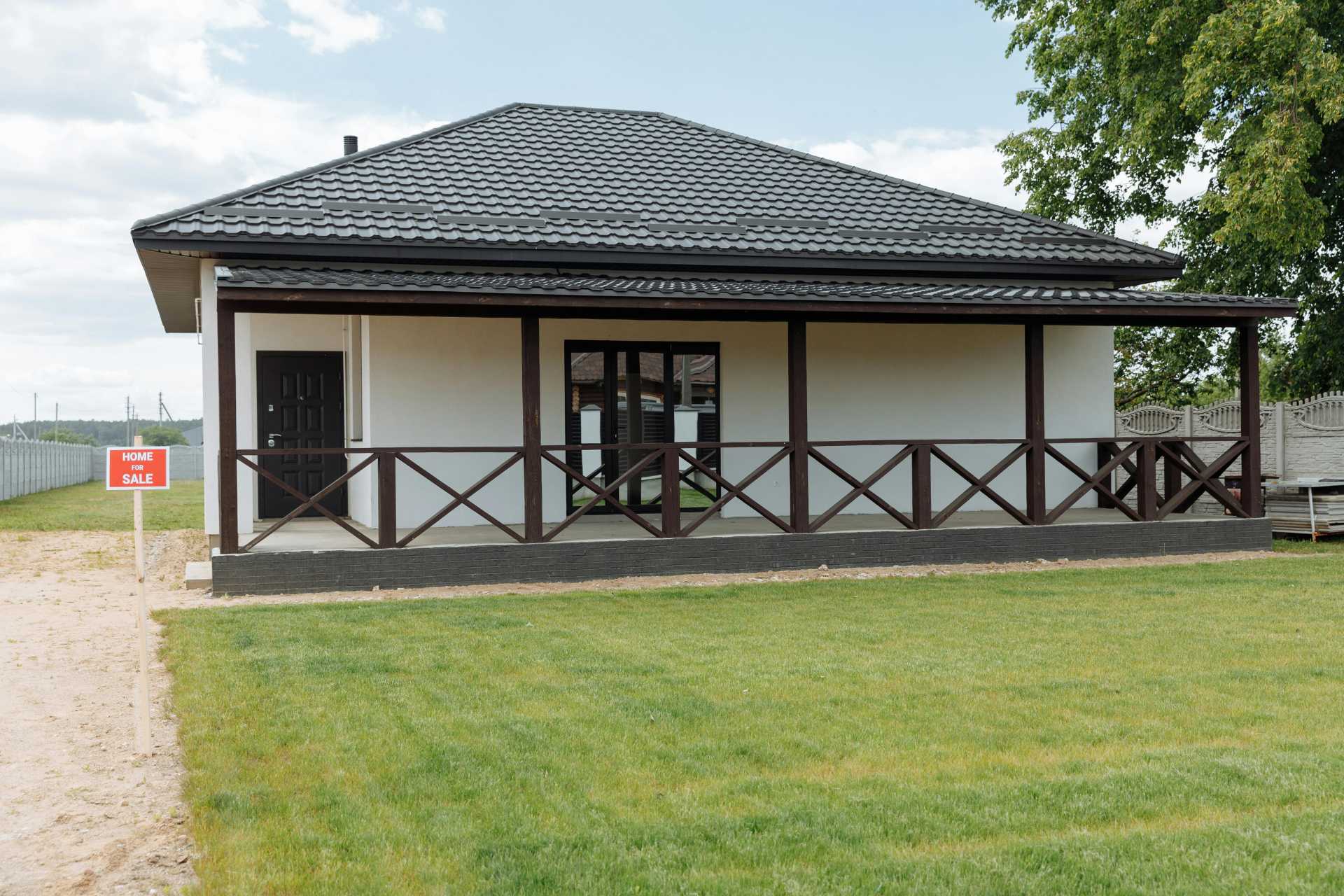
In 2026, the average Canadian homebuyer is financially stretched. Between mortgage carrying costs and the rising cost of living, the last thing a new owner wants is a “Day One” catastrophe. When a potential buyer pulls up to a house and sees curling shingles or moss growth, they don’t just see a roof; they see a looming $20,000 debt.
This triggers what agents call “inspection fatigue.” Once a buyer identifies a major flaw like aging roofing, they begin to look at the rest of the house with a skeptical eye. They start hunting for cracks in the foundation, outdated electrical panels, or plumbing issues. They stop imagining where their furniture will go and start calculating how much they need to “chip away” at your asking price to cover future repairs.
Conversely, a new roof offers a powerful emotional appeal: the “Turnkey” promise. There is immense psychological value in knowing that the home’s most vital shield is brand new. It allows the buyer to focus on the lifestyle the home offers, rather than the maintenance it demands. In a competitive market, the house that promises twenty years of worry-free living will always beat the house with “potential” but an aging crown.
The Agent’s Secret Weapon: The Transferable Warranty
For a real estate agent, a new roof is a gift that keeps on giving throughout the negotiation process. The most effective agents don’t just list “new roof” in the feature sheet; they highlight the transferable manufacturer warranty. In 2026, where long-term security is a top priority, a 50-year or “Lifetime” warranty acts as a secondary insurance policy for the buyer.
Beyond the shingles themselves, agents use the roof to sell the “invisible” health of the home. They point to the quality of the new underlayment and improved ridge ventilation as proof of energy efficiency. A properly ventilated roof keeps the attic cool, which significantly lowers summer cooling costs—a major selling point for the environmentally and financially conscious buyer of 2026. This “certified” status allows the agent to justify a higher asking price, positioning the home as a premium, low-risk investment compared to the neighbourhood average.
The “Roofing Premium”: Analyzing the 2026 ROI
Many sellers hesitate at the cost of a full replacement, wondering if they will “get their money back.” In the current market, the math is clear. While a high-quality asphalt roof might cost between $12,000 and $18,000, it prevents the much more expensive “price chipping” that occurs during the conditional period.
If a home inspector flags an aging roof, the buyer rarely asks for a $15,000 discount. Instead, they often demand $25,000 or $30,000 off the price, citing the “hassle” and “uncertainty” of the project. By replacing the roof before listing, the seller retains control of the narrative and the budget. You choose the contractor and the materials, ensuring the job is done right and at a fair market price, rather than being at the mercy of a buyer’s inflated repair estimate.
Furthermore, roofing plays a critical role in the appraisal process. In 2026, banks are more conservative with their valuations. If an appraiser notes that a roof is at the end of its life, they may undervalue the property, causing the buyer’s financing to fall through at the eleventh hour. A new roof ensures the home hits its valuation targets, smoothing the path for the bank’s approval.
Pre-Listing Strategy: To Repair or Replace?
A proactive real estate agent will perform an “informal audit” of your roof long before the first open house. They look for the classic warning signs: granule loss in the gutters, curling edges, or staining on the interior attic ceilings. If the roof is more than 15 years old, the advice in 2026 is almost always to replace rather than repair.
Savvy buyers can spot “Band-Aid” repairs—where a few shingles are replaced or a leak is patched—from a mile away. These localized fixes often look worse than an honest, aging roof because they suggest the owner was only doing the bare minimum to hide a problem. A full replacement, however, signals pride of ownership.
To make this process easier, sellers should use a business finder to locate roofing specialists who understand the “Real Estate Ready” approach. These contractors specialize in high-impact, efficient replacements that focus on the colours and styles currently trending with buyers, such as “Architectural Gray” or “Shadow Black.” They provide the documentation, photos, and warranty certificates that your agent needs to build a bulletproof listing.
Building a Foundation for a Successful Sale
The roof is the most important surface of your home. It protects everything beneath it—your family, your belongings, and your financial equity. In the 2026 Canadian real estate market, don’t let your roofing be the reason a sale falls through or a price is slashed.
By investing in a professional replacement before you list, you empower your real estate agent to fight for every dollar of your asking price. You eliminate the “looming debt” for the buyer and replace it with the confidence of a turnkey property. In the end, a new roof doesn’t just protect a house; it protects the deal. Consult with a local agent and a roofing specialist today to ensure your property is the most attractive, secure, and high-value listing on the block. Make the choice to lead the market, rather than being managed by it.

The 2026 Curb Appeal Reset: Why Fresh Siding and Smooth Asphalt are the Ultimate ROI Pair
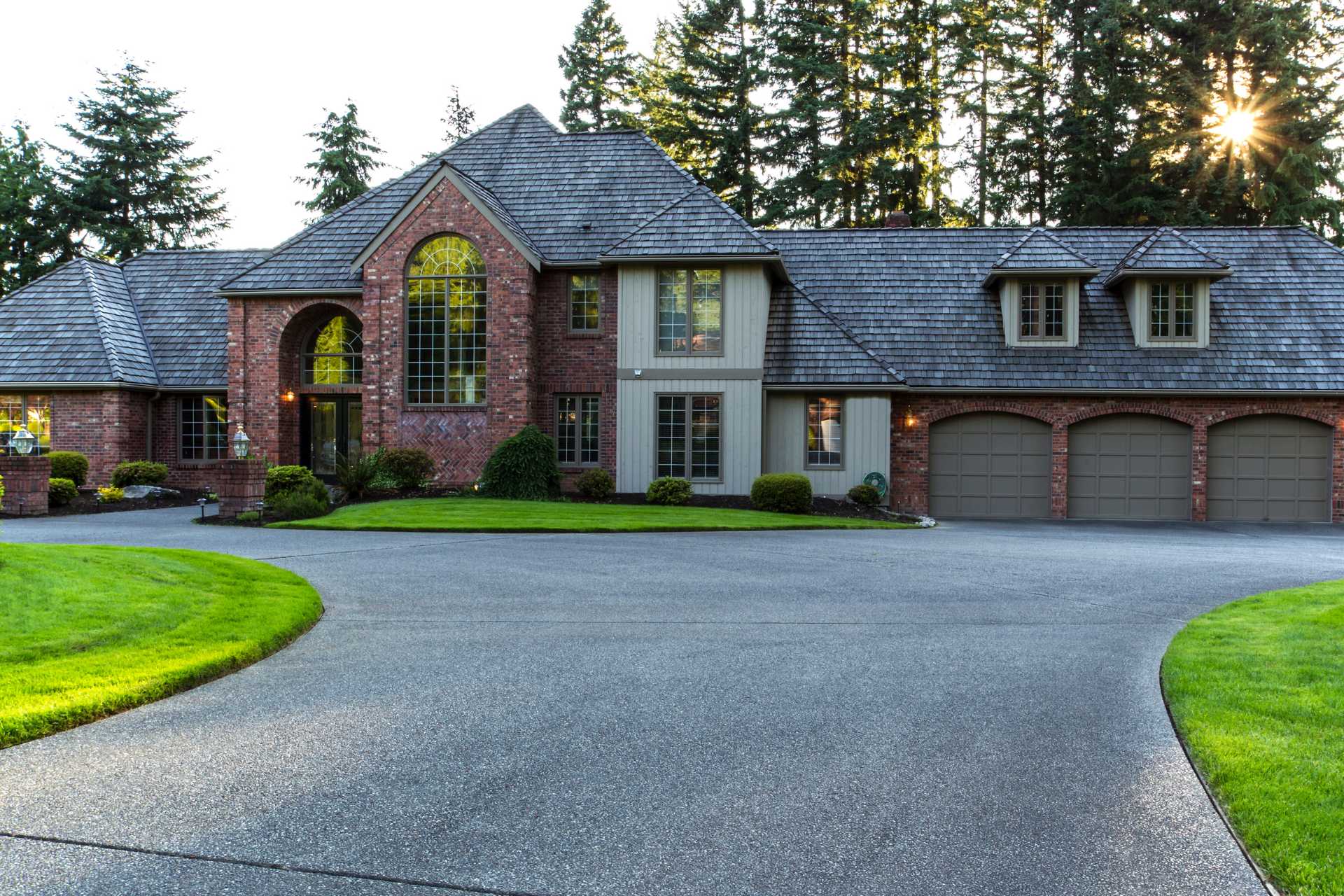
In the competitive Canadian real estate landscape of 2026, the "first look" carries a heavy financial weight. Recent market reports indicate that curb appeal accounts for up to 7% of a home’s total valuation. This means a lacklustre façade isn't just an aesthetic disappointment; it is a direct drain on your home equity. When homeowners plan a renovation, they often isolate individual repairs, but the most successful property owners treat the house as a unified "visual envelope." By coordinating a siding refresh with the installation of a high-quality asphalt driveway, you achieve a "new build" aesthetic that maximizes both long-term durability and immediate return on investment.
Faded, cracked siding and a crumbling, graying driveway work together to age a property prematurely. No matter how modern your interior kitchen might be, a buyer’s psychological set-point is established before they even step out of their car. To truly future-proof your home against the environmental stressors of the Canadian climate, you must address the ground and the walls as a single, protective shield.
Siding Trends 2026: Moving Toward "Quiet Luxury"
The "basic vinyl" look of the previous decade has officially been replaced by a movement designers call "Quiet Luxury." In 2026, the dominant palette has shifted toward warm neutrals, such as Monterey Sand, and deep, nature-inspired greens like Sage or Juniper Grove. These colours harmonize with the natural Canadian landscape rather than clashing with it.
Beyond colour, the "Mixed-Material Movement" dominates the market. Homeowners now use vertical board-and-batten accents on gables or integrate wood-grain textures—like cedar or walnut faux-finishes—into a traditional lap siding layout. This creates architectural interest and depth that simple siding cannot provide. Furthermore, modern siding systems serve as a critical part of your home’s energy strategy. With 2026 utility rates continuing to rise, high-performance insulated siding reduces "thermal bridging." This keeps your home significantly warmer during the deep freeze of January and cooler during the humid peaks of July.
The Asphalt Advantage: The Clean Lines of a New Entrance
If the siding is the "suit" of the home, the driveway is the "shoes." A deep, dark asphalt surface provides the perfect high-contrast base that makes your new siding colour pop. In the 2026 Canadian market, contractors have shifted toward high-density, polymer-modified asphalt mixes. These "Warm-Mix" variations offer superior flexibility during the extreme freeze-thaw cycles that characterize our local climate.
The "Asphalt Advantage" lies in its clean lines and seamless finish. To elevate the look even further, many homeowners now opt for stone or brick edging. This small architectural detail ties the driveway into the home’s masonry and new siding, creating a cohesive, estate-like feel. Unlike gravel or interlocking stone, which can shift or allow weed growth, a fresh asphalt pour provides a crisp, maintenance-free boundary that defines your property with professional precision.
The "Hidden" ROI: Moisture Management and Structural Health
The relationship between your driveway and your siding is more than just cosmetic; it is functional. Engineers call this the "Drainage Handshake." A properly graded asphalt driveway sheds water away from the house. When a driveway sinks or cracks near the foundation, it allows water to pool at the base of your siding. Over time, this moisture wicks upward, leading to rot in the wooden sheathing behind your exterior walls.
By replacing both at once, you ensure that the flashing—the protective metal used to direct water away from the house—integrates perfectly with the new pavement height. This prevents the "hidden decay" that often compromises a home’s structural integrity. You aren't just buying beauty; you are buying a dry basement and a rot-free frame. In 2026, savvy buyers look for these technical details during the home inspection phase. Showing that you have a unified moisture-management system in place can save a deal from falling through.
Financial Strategy: Why Bundling Exterior Projects Makes Sense
Logistically, managing one "exterior overhaul" is far more efficient than juggling multiple disconnected projects over several years. When you hire a contractor to handle the siding and the driveway in tandem, you reduce mobilization costs. You only have to deal with the disruption of workers on your property for one concentrated period rather than three separate summers.
Furthermore, bundling these projects protects you from the rising costs of raw materials. In 2026, global supply chain fluctuations will still impact the price of petroleum-based products like asphalt and vinyl. Completing the work now locks in your costs and begins your ROI clock immediately. Professional photography of a cohesive exterior drives 40% more traffic to online real estate listings, as "digital curb appeal" is the first hurdle any seller must clear.
Investing in Your Home’s Future
A "turnkey exterior" is the gold standard for 2026. Buyers are increasingly wary of "fixer-uppers" and are willing to pay a significant premium for properties where the big-ticket items—the walls and the driveway—are already modernized. By treating your home as a single project, you ensure that textures, colours, and drainage systems remain consistent.
Investing in your home’s exterior is the most effective way to protect your equity. From the energy savings of modern insulated siding to the structural protection of a perfectly graded asphalt driveway, the return on investment appears in your monthly utility bills and your eventual sale price. Reset your home’s identity from the ground up. Enjoy the peace of mind that comes with a fortified, beautiful, and high-value property.