
The Energy-Efficient Envelope: How Upgraded Roofing and Siding Slash Your Household Utility Bills
Owning a home in Canada means constantly defending your living space against some of the most extreme weather conditions on the planet. Our local environment demands a lot from residential structures, forcing them to handle deep winter freezes, heavy spring rains, and blistering summer heat waves. To keep families comfortable throughout these intense seasonal shifts, households must run their heating and cooling systems almost non-stop. This constant operation results in high monthly utility expenses. Many property owners mistakenly blame their rising energy bills entirely on an old furnace or an inefficient air conditioner. However, the true cause of severe energy loss usually stems from a failing, drafty exterior building envelope.
When a home's outer shell begins to deteriorate, it allows indoor climate-controlled air to escape rapidly while letting harsh outdoor elements leak inside. True, long-term energy efficiency cannot be achieved with minor, isolated patches. It requires a complete upgrade of your home's protective outer wrap. Partnering with a professional roofing company allows you to secure the top of your home, ensuring proper attic ventilation and superior thermal protection. At the same time, installing modern insulated siding seals your exterior walls against drafty energy loss and cold moisture penetration. Upgrading these two critical exterior components together creates an airtight, climate-controlled barrier. This smart investment permanently lowers your carbon footprint and slashes your household utility bills year-round.
Stopping Thermal Bridging with Advanced Wall Upgrades
The wooden framing inside your home’s walls is a major, hidden source of daily energy loss. While standard fibreglass insulation blankets sit snugly between individual wall studs, the wooden studs themselves remain completely exposed to the elements. Wood conducts heat much faster than insulation materials do. This physical difference creates a major problem known as thermal bridging, where expensive indoor heat bypasses your insulation and leaks directly through the wooden framing to the outdoors. During a freezing winter day, this continuous thermal transfer cools your interior drywall, creating uncomfortable drafts and forcing your heating system to work twice as hard to maintain a stable temperature.
Investing in modern cladding materials solves this insulation issue completely. Experienced exterior contractors install high-performance house wraps and thick, rigid foam insulation panels directly over the home's exterior plywood sheathing before mounting the new cladding panels. This continuous layer of insulation wraps around the entire structure like a cozy blanket. It covers the wooden studs completely, breaking the path of thermal bridging and locking indoor temperatures in place. Additionally, this airtight seal prevents humid air from condensing inside your wall cavities. This crucial moisture protection keeps your wooden framing perfectly dry, preventing dangerous mould growth, eliminating structural rot, and significantly improving indoor soundproofing.
Fortifying the Roofline: Ventilation and Radiance Defence
Sealing your exterior walls represents only half the battle when creating an energy-efficient home. Because warm air naturally rises, an outdated or poorly insulated roofline acts like an open chimney, allowing massive amounts of expensive heat to escape into the atmosphere during the winter. Conversely, during the hot summer months, intense sunlight beats down on dark roof shingles, raising attic temperatures to a sweltering sixty degrees Celsius. Without proper protection, this extreme heat radiates downward through the ceiling insulation, turning your upper bedrooms into uncomfortably hot spaces and placing immense strain on your air conditioning system.
A qualified roofing contractor eliminates this heavy thermal strain by installing a balanced intake and exhaust ventilation system. They place continuous soffit vents beneath the eaves to draw cool, fresh air into the attic, while mounting an engineered ridge vent along the peak of the roof to let hot, humid air escape naturally. Contractors can also install specialized shingles designed with reflective granules that bounce solar radiation away from the home. This advanced ventilation and shingle combination keeps your attic temperature close to the outdoor air temperature all year long. This balance prevents winter ice dams from forming on your gutters and extends the operational lifespan of your shingles, keeping your home perfectly comfortable in every season.
Preventing Ice Dams and Managing Heavy Snow Loads
For Canadian homeowners, the true test of an exterior envelope occurs during the grueling winter thaw and freeze cycles. An outdated roof paired with poorly insulated wall cladding creates the perfect conditions for a highly destructive phenomenon known as ice damming. When heat escapes through the upper walls and attic due to poor insulation, it warms the upper roof deck. This unwanted heat melts the bottom layer of snow resting on your shingles. The resulting meltwater flows down the slope of the roof until it reaches the uninsulated, freezing eaves. Once the water hits this cold edge, it instantly refreezes, creating a thick, solid ridge of ice that traps subsequent runoff behind it.
This trapped, standing water quickly backs up beneath your shingles, soaking through the wooden roof deck and leaking directly into your bedroom ceilings and wall cavities. A professional roofing company prevents this costly structural damage by installing heavy-duty ice and water shielding membranes along the vulnerable lower edges of the roofline. When paired with modern, weather-resistant siding that features an integrated drainage plane, any trapped moisture is safely channelled down and away from the building's framing. This combined defense system ensures that heavy snow loads melt safely and drain away properly. Ultimately, it keeps your interior space completely dry, protects your structural framing, and saves you from dealing with expensive mold remediation projects in the spring.
The Long-Term Return on Your Exterior Investment
Upgrading your roofline and wall cladding simultaneously is the most effective way to secure a draft-free, energy-efficient home. Treating these exterior projects as a single, connected defence system allows you to build a seamless barrier that completely eliminates thermal bridging and air leaks. This comprehensive renovation delivers a reliable, climate-controlled interior that keeps your family comfortable through dangerous winter blizzards and humid summer heat waves alike.
The financial benefits of upgrading your exterior envelope extend far past immediate monthly utility savings. Protecting your home with high-performance roofing materials and insulated wall cladding prevents hidden moisture problems and reduces wear and tear on your HVAC equipment. This proactive care eliminates the need for expensive structural repairs down the road. By investing in modern, sustainable exterior materials, you elevate your home’s curb appeal, boost its overall market value, and secure total peace of mind through any weather conditions Canada throws your way.

Digging Deeper: How Underpinning Safely Maximizes Usable Space in a Custom Home Build
Building a luxury home in Canada’s most desirable urban centers presents a unique set of architectural challenges. High-end neighbourhoods in cities like Toronto, Vancouver, and Ottawa are often defined by historical charm and highly competitive lot markets. Property owners frequently find themselves constrained by tight property lines, strict municipal zoning bylaws, and rigid lot-coverage allowances. These restrictions make it virtually impossible to expand a home’s footprint outward into the yard. When growing families need more square footage for specialized lifestyle spaces, they cannot simply build a massive rear extension or add multiple stories above ground. Instead, the smartest way to capture premium square footage is to look directly beneath your feet.
To safely unlock this hidden potential, affluent homeowners rely on the elite engineering capabilities of a premier custom home builder. These high-end professionals understand that a luxury home should feel expansive on every single level. While older properties are typically limited by low-clearance, damp cellars that are only suitable for utility meters and storage, modern engineering completely changes this dynamic. By bringing in structural specialists to execute professional basement underpinning, a builder can safely lower the basement floor. This highly technical process replaces a cramped crawlspace with a soaring, high-clearance lower level. This sophisticated structural upgrade allows homeowners to dramatically increase their total living space without altering the exterior footprint of the property.
The Engineering Mechanics of Safe Foundation Lowering
Lowering the floor of an existing house is a highly delicate operation that demands absolute engineering precision. The entire weight of the home rests directly on the original foundation footings. This means that crews cannot simply excavate all the earth from the basement at once without causing a catastrophic structural collapse. A skilled builder prevents this danger by implementing a strict, systematic sequencing plan known as pinning. Workers carefully divide the perimeter of the existing foundation into small, equal segments. These sections are typically three feet wide and are spaced far apart from one another to ensure the home remains perfectly supported throughout the project.
The field team excavates a single section at a time, digging straight down beneath the original foundation to the desired new depth. Once they reach the correct level, they build heavy-duty wooden forms and pour high-strength concrete beneath the old footing. This creates a brand-new, deeper concrete block that securely supports that specific section of the house. The crew lets the new concrete cure completely before moving on to the next designated section. They repeat this careful process around the entire perimeter until the home rests securely on a continuous, lowered foundation wall. This complex method reinforces the structural integrity of the home while safely delivering the tall overhead clearance required for a premium living space.
Transforming the Lower Level into Premium Living Space
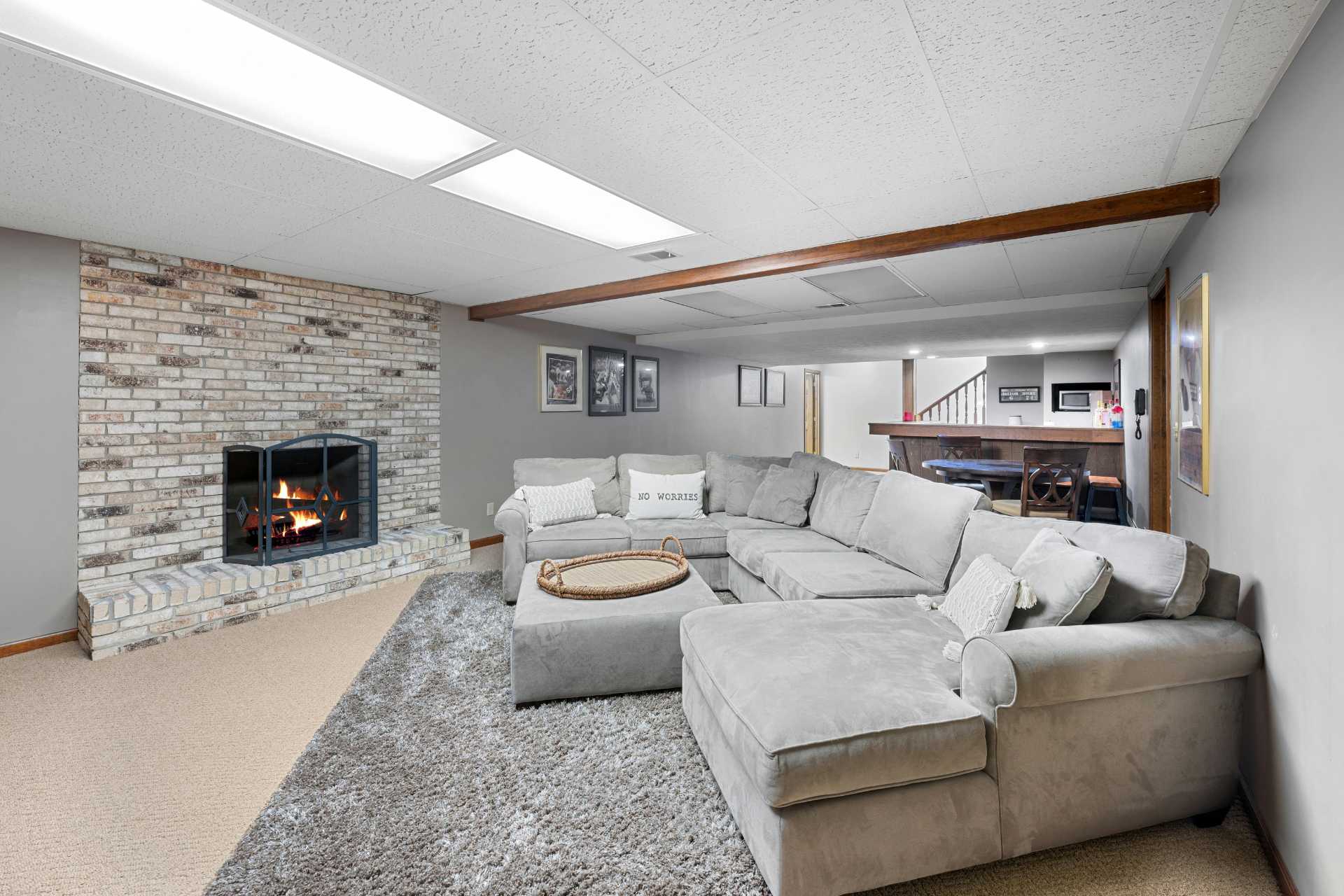
Once the underpinning process is complete and the extra headroom is secured, the lower level completely loses its dark, subterranean feel. This structural transformation allows your builder to design high-end rooms that mirror the luxury and comfort of the upper floors. Homeowners can convert this newly captured space into expansive entertainment hubs, such as soundproofed home theatres, personal fitness centers, or custom climate-controlled wine cellars. The extra vertical space also allows for the installation of large, oversized windows and deep walk-out lightwells. These architectural features flood the basement with natural sunlight, making the lower level feel open, bright, and completely integrated into the rest of the home.
Lowering the floor also provides the perfect opportunity to upgrade the home’s foundational indoor comfort systems. Before pouring the final finished concrete floor slab, crews install a modern, multi-layered moisture defence system. This setup includes heavy-duty poly vapor barriers, high-density exterior insulation boards, and advanced interior weeping tile networks connected to a reliable sump pump. Furthermore, workers can lay down flexible PEX piping across the entire floor area to create an efficient under-slab radiant heating system. This luxurious heating setup eliminates the cold, damp floors typically associated with basements. It delivers consistent, cozy warmth that makes the lower level comfortable during the coldest Canadian winter months.
Navigating Municipal Bylaws and Utility Engineering
Lowering a property’s foundation requires more than just mechanical labour and engineering designs. In major Canadian municipalities, altering a home’s structural core involves careful navigation of local planning departments and strict building codes. A premier custom home builder handles this complex administrative process before any shovels hit the dirt. They secure the required zoning permits, coordinate with structural engineers, and schedule municipal inspections for each stage of the pinning process. Failing to secure these legal approvals can result in massive city fines, forced construction halts, and severe insurance complications down the road.
Furthermore, digging downward changes how your home connects to the neighbourhood’s underground infrastructure. When you lower a basement floor, you often drop beneath the level of the main municipal sewer line running under the street. This depth shift means that waste and storm water can no longer rely on simple gravity to drain out of your home. To fix this plumbing hurdle, your building team installs specialized backwater valves and heavy-duty sewage ejector pumps. These systems safely collect waste from the lower level and pump it upward into the main city lines. This modern mechanical setup ensures your new space remains perfectly sanitary, operational, and safe from backflows during intense urban storms.
The Financial Impact: Enhancing Urban Property Equity
When evaluating high-end home renovations, savvy property owners look closely at the long-term return on investment. In highly competitive Canadian housing markets, the financial equity gained from a basement expansion often far outpaces the initial construction costs. Buying a larger lot or moving to a bigger house in the same premium neighbourhood triggers expensive land transfer taxes, high real estate agent commissions, and stressful moving logistics. Lowering your foundation allows you to bypass these friction points completely, turning existing, unused subterranean real estate into highly valuable livable square footage.
Real estate data consistently shows that high-clearance, bright basements fetch a significant premium during property appraisals. Future buyers no longer look at lower levels as simple storage zones; they treat them as essential lifestyle spaces. A home that features a professional-grade fitness room, an isolated home office, or a legal secondary rental suite stands out immediately in any market. By choosing to lower your foundation, you effectively manufacture prime real estate within your original property boundaries. This strategic structural upgrade maximizes your current quality of life while securing your financial future in Canada’s shifting real estate landscape.
Expanding Your Footprint Without Moving Out
Investing in professional foundation lowering is the ultimate way to maximize the volume, utility, and financial equity of an urban Canadian property. Trying to build outward often triggers long, stressful legal battles with local committee of adjustment boards over zoning variances. In contrast, digging downward allows you to bypass these exterior restrictions entirely. It honors the original architectural style of the neighbourhood while giving you the freedom to customize your home’s interior layout exactly as you see fit.
Successfully modifying a building’s primary foundation requires an uncompromising commitment to structural safety and premium craftsmanship. Partnering with an experienced builder ensures that every phase of the excavation and concrete pouring complies with strict national building codes. By choosing a sophisticated approach to space optimization, you protect the long-term stability of your home. You turn an underutilized cellar into a beautiful, high-value asset, ensuring your property perfectly serves your lifestyle needs for years to come.