
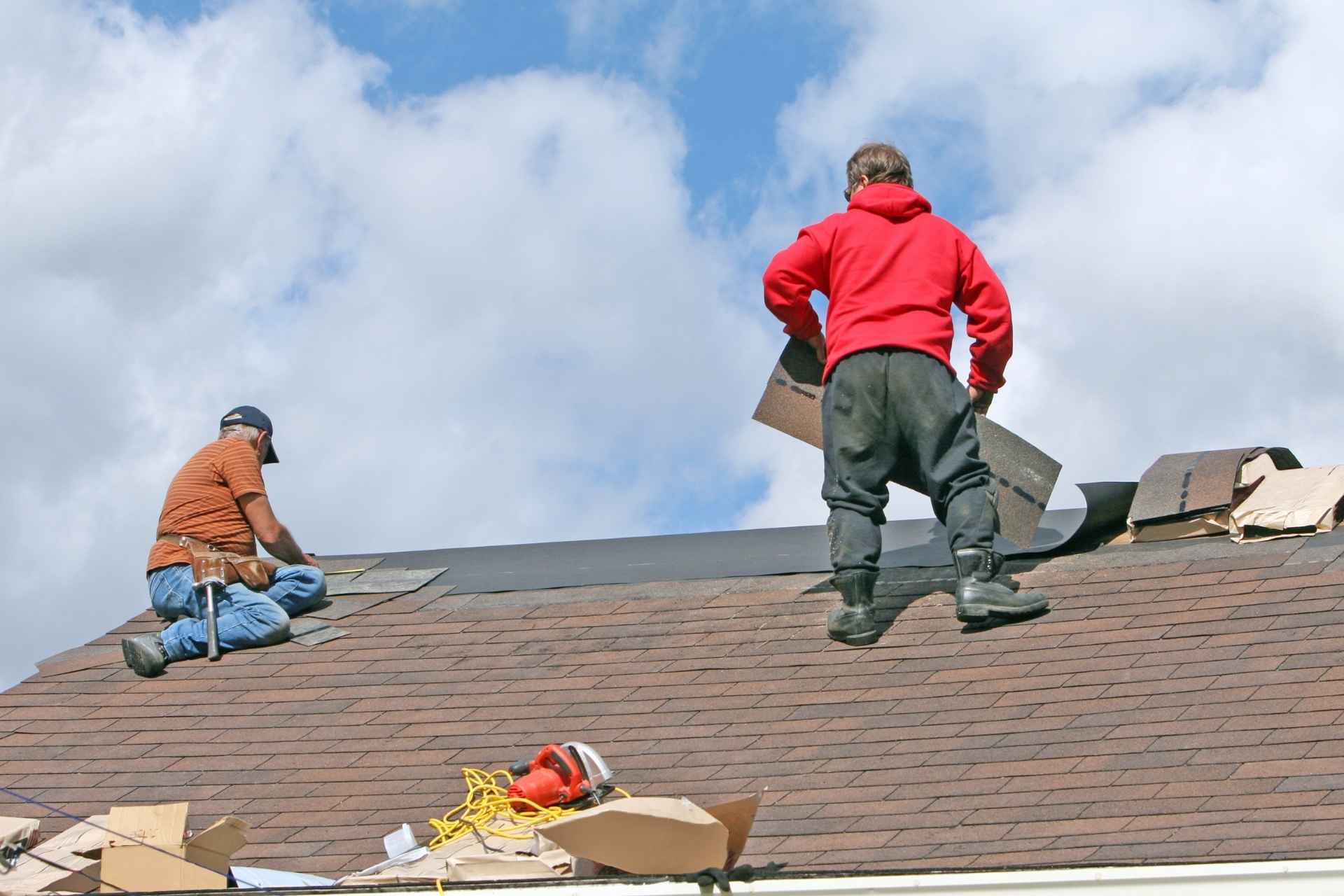
Replacing a Roof in Late Summer vs. Fall: What Canadian Homeowners Need to Know
When your roof approaches the end of its functional lifespan, timing your replacement project correctly is essential for ensuring installation quality and long-term durability. In Canada, where weather conditions can shift rapidly from warm sunshine to freezing rain, choosing the right seasonal window makes a significant difference. Both late summer and autumn offer distinct advantages for major exterior renovations, whether you are planning a full roof replacement or upgrading your home's exterior siding at the same time. Partnering with a reliable roofing company during late August or early fall helps you secure optimal scheduling, ideal installation temperatures, and complete protection before winter weather arrives.
Temperature and Material Performance: Asphalt Shingle Thermal Sealing
Understanding how roofing materials react to temperature is crucial when deciding between a late-summer or fall installation.
Asphalt shingles rely on a thermally activated adhesive strip located on the underside of each shingle. Direct sunlight and warm ambient temperatures soften this adhesive, allowing the shingles to bond securely to one another and form a wind-resistant barrier.
Late summer provides ideal ambient temperatures—typically between 15°C and 25°C—which allow shingles to seal almost immediately after installation. This thermal seal ensures your new roof can withstand strong autumn winds without shingle blow-offs.
While fall installations are common, cooler autumn temperatures (below 10°C) cause asphalt shingles to become stiffer and slow down the thermal bonding process. In late fall, contractors may need to manually apply asphalt cement to individual shingles to guarantee a secure seal before winter.
Weather Predictability and Installation Conditions
Weather conditions directly impact the safety, speed, and overall quality of a roof replacement project.
Late August usually features stable, dry weather across most Canadian provinces. Extended daylight hours and low rainfall allow roofing crews to complete tear-offs and installations quickly without the frequent delays caused by sudden rainstorms.
Fall weather, while cooler and comfortable for physical labour, brings increased unpredictability. Early autumn rain, sudden morning frosts, and shorter daylight hours can extend project timelines.
Installing a roof during dry late-summer conditions minimizes the risk of exposing your underlying plywood roof deck or home interior to unexpected rainfall during the tear-off phase.
Membrane Flexibility and Sub-Layer Protection
Beyond the visible shingles, modern Canadian roofs rely heavily on specialized underlayments, including self-adhering ice and water membrane shields. These waterproof barriers are installed along eaves, valleys, and rakes to prevent water intrusion from wind-driven rain and snowmelt.
In late summer, the warm surface of the wooden roof deck causes self-adhering membranes to bond instantly and create an airtight seal around roofing nails. This heat-assisted adhesion creates an impenetrable second line of defence before the first winter storm arrives.
When temperatures drop in mid-to-late fall, cold-weather underlayments become noticeably stiffer and less pliable. Cold decking surfaces can slow down the self-sealing chemical reaction, requiring extra care and specialized handling during installation to prevent gaps or inadequate adhesion.
Contractor Availability, Scheduling, and Pricing Dynamics
The demand for professional roofing services fluctuates significantly throughout the year, impacting contractor schedules and project pricing.
Early to mid-fall represents the busiest season for Canadian roofing contractors, as many homeowners rush to complete emergency repairs before snow arrives. This high demand often leads to longer wait times and tighter scheduling windows.
Booking your roof replacement in late summer allows you to secure preferred installation dates with top-tier contractors before their autumn calendars fill up completely.
Completing your project in late summer also guarantees that any secondary exterior work—such as gutter replacement, fascia repairs, or siding touch-ups—can be completed in seamless succession before cold weather sets in.
Energy Efficiency and Heating Cost Optimization
Replacing your roof in late summer offers an immediate impact on your home's thermal performance before the cold weather sets in. Older roofs with degraded shingles, compromised underlayment, or deteriorating decking often suffer from subtle air leaks and thermal bridges that allow heat to escape from the top of the house.
A late-summer roof overhaul allows installers to inspect, repair, and optimize attic ventilation, deck insulation, and ridge venting while conditions are clear. Establishing a tight, well-ventilated thermal barrier in August ensures your home retains heat efficiently the moment you turn on your furnace in autumn.
By preventing warm air from leaking into the attic space, you reduce winter heating demand and lower monthly utility bills throughout the coldest months of the year, maximizing your return on investment right out of the gate.
Navigating Seasonal Trade-Offs for Homeowners
Deciding on the best timing for a roof replacement involves weighing several key installation conditions that vary between late summer and autumn. Late summer offers warm ambient temperatures (15°C to 25°C) that ensure rapid thermal sealing of asphalt shingles, along with longer daylight hours that allow crews to complete daily tear-offs faster. Weather conditions during this window are generally stable and dry, and contractor availability remains moderate, making scheduling much easier.
In contrast, fall installations present cooler temperatures that can cause shingles to stiffen, sometimes requiring manual adhesive application to guarantee a proper seal before freezing weather. Fall also brings shorter daylight hours, higher risks of rain or early frost, and peak seasonal contractor demand that can lead to longer waitlists and potential scheduling delays.
Timing Your Project for Long-Term Success
Both late summer and fall offer viable windows for replacing a roof in Canada, but late summer provides distinct technical advantages. The combination of warm ambient temperatures for optimal shingle sealing, predictable dry weather, and flexible contractor availability makes late August an ideal time to complete your replacement. By upgrading your roof before the peak autumn rush, you guarantee that your home is fully protected, energy-efficient, and ready to face the demands of the coming winter.

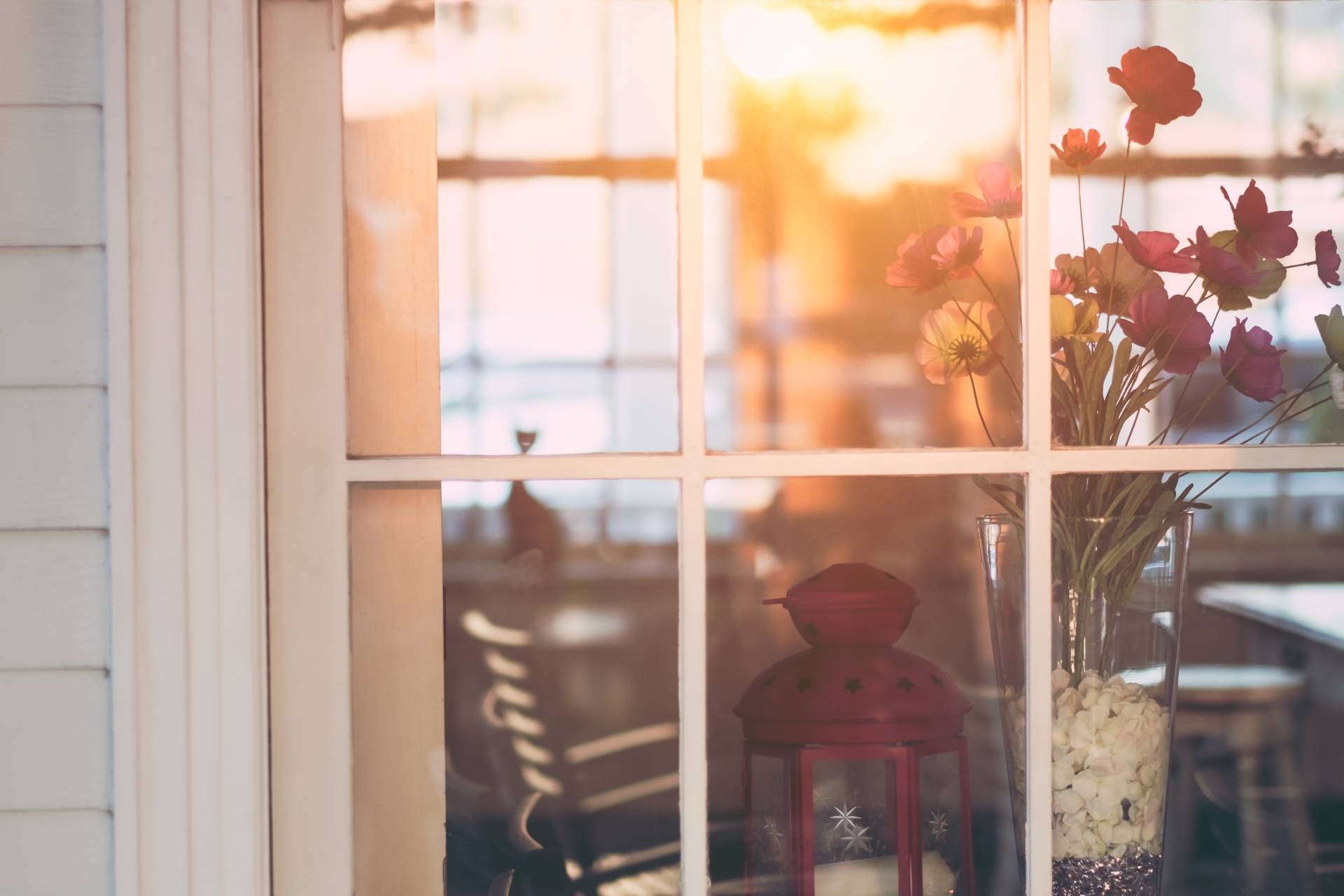
Sun-Proofing Your Frames: Choosing Window Materials That Won't Warp, Peel, or Fade
Exterior window frames face a relentless combination of heat, sunlight, moisture, and daily temperature swings. Over time, that exposure can weaken ordinary building materials, causing paint to chalk, vinyl to warp, and seals to crack. Choosing framing materials designed to withstand solar heat is therefore about more than appearance—it can help preserve the window’s structure, performance, and service life for decades.
How Heat and Sunlight Wear Down Window Frames
Direct sunlight can push exterior frame surfaces to temperatures far higher than the surrounding air. As materials repeatedly heat up and cool down, they expand and contract. This thermal cycling places stress on joints, coatings, seals, and the frame itself.
Standard painted surfaces may gradually lose their protective finish through ultraviolet exposure. A once-smooth coating can develop a powdery, faded appearance known as chalking. Continued exposure may eventually leave the underlying material vulnerable to moisture and further deterioration.
Vinyl frames face a different challenge. Excessive heat can contribute to expansion, particularly in dark-colored or poorly formulated vinyl. Repeated movement can cause distortion, making frames difficult to operate or affecting how tightly windows close. Seals can also become brittle or cracked after years of ultraviolet radiation and temperature fluctuations, reducing their ability to keep air and moisture outside.
Heat-Stabilized Vinyl for Dimensional Stability
Modern heat-stabilized vinyl is engineered to perform more reliably under demanding outdoor conditions. Stabilizers and carefully formulated compounds help the material resist the effects of ultraviolet radiation and temperature changes.
One important benefit is dimensional stability. A high-quality vinyl frame should maintain its shape despite repeated heating and cooling. This helps windows continue to open, close, and seal properly over time.
Heat-stabilized vinyl can also reduce maintenance demands because the color is integrated throughout the material rather than relying entirely on a surface coating.
Composite Frames Built for Long-Term Exposure
Composite framing materials combine characteristics from multiple materials to create a frame designed for strength, stability, and weather resistance. Depending on the product, composites may incorporate engineered polymers, wood fibers, resins, or other reinforcing components.
Their greatest advantage in sun-exposed applications is resistance to movement. Compared with some conventional materials, quality composites can be less susceptible to expansion, contraction, and moisture-related changes. This stability helps protect corners, joints, and surrounding finishes from the stresses caused by seasonal temperature swings.
Composite frames can also be manufactured with durable exterior surfaces that resist ultraviolet exposure. For homeowners prioritizing long-term performance, they can be an attractive alternative when selecting materials for a new construction project or window replacement.
Dark Exterior Finishes Without Rapid Fading
Dark window frames can create a striking architectural appearance, but darker colors absorb more solar energy than lighter shades. That makes the choice of exterior finish particularly important.
Modern fade-resistant paint technologies are formulated to withstand prolonged ultraviolet exposure while retaining their color. High-performance coatings can incorporate pigments and protective technologies designed to slow fading, chalking, and surface degradation.
The quality of the coating system matters as much as the color itself. A finish intended for exterior use should be specifically engineered for UV exposure and temperature fluctuations. Properly applied, these finishes allow homeowners to choose deeper exterior colors without accepting the rapid fading associated with older paint technologies.
Protecting Seals and Connections
A durable frame is only part of a sun-resistant window system. Seals, gaskets, adhesives, and joints also experience heat and ultraviolet exposure. When these components become brittle or crack, air and water can find pathways through the assembly.
Look for window systems that use exterior-grade sealing materials designed for temperature extremes and long-term UV exposure. Good installation is equally important.
What to Look for When Comparing Materials
When evaluating exterior window frames, consider more than the initial appearance. Ask whether the material has been engineered for UV resistance, dimensional stability, and repeated temperature cycling. For painted or coated frames, investigate the finish technology and its resistance to fading and chalking.
It is also useful to consider the building’s exposure. A south- or west-facing window with little shade may experience considerably more solar stress than a shaded opening.
Finally, consider the entire window assembly rather than the frame alone. Durable glazing, seals, hardware, coatings, and installation all contribute to long-term performance.
Sun-proofing exterior windows starts with recognizing that heat and ultraviolet radiation are active sources of structural wear. Chalking paint, warped vinyl, and cracked seals are signs of prolonged environmental stress, but modern materials offer better protection. Heat-stabilized vinyl, composite frames, and fade-resistant exterior finishes can help windows retain their shape, color, and weather resistance for many years. By choosing materials specifically designed for intense sun and temperature changes, homeowners can make a window investment that remains durable and attractive for decades.
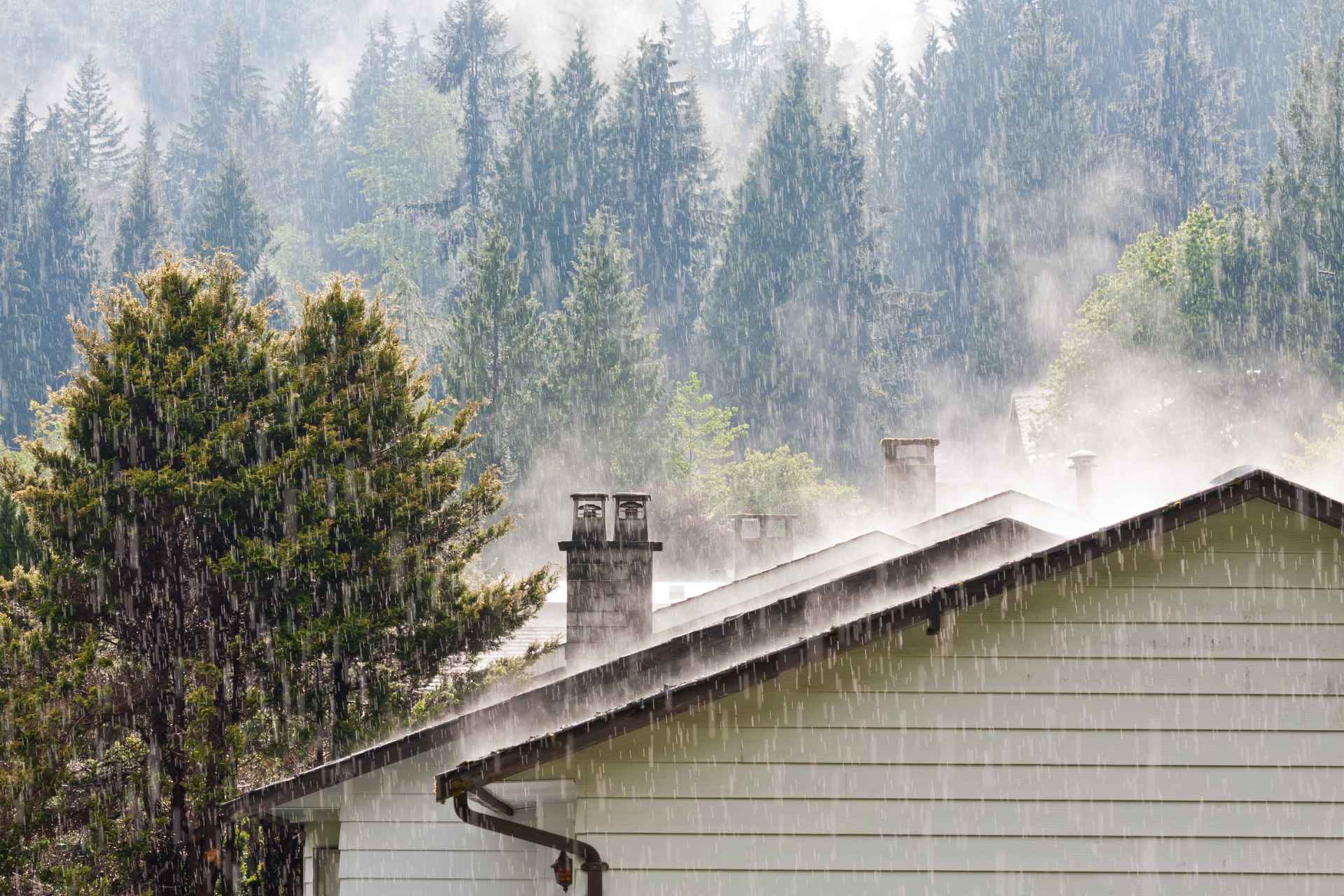
Preparing Your Property for Heavy Storms: Window Replacement and Catch Basin Drainage Solutions
Severe weather events can cause significant damage to residential and commercial properties. Heavy downpours, rapid spring thaws, and intense windstorms test every component of a building's exterior. Property owners must take a proactive approach to structural maintenance to avoid costly repairs. Investing in professional catch basin cleaning and timely window replacement secures your building against driving rain, standing water, and structural damage.
General contractors evaluate a building as an interconnected system. Water protection requires managing moisture at both upper and ground levels. Outdated window seals allow rainwater to seep into interior walls. Blocked ground drains cause standing water to pool near foundation footings. Addressing these two critical exterior vulnerabilities safeguards your structural investment, keeps living spaces dry, and maintains your property value throughout severe seasonal weather.
The Building Envelope: Shielding Upper Levels from Driving Rain
A building envelope serves as the primary barrier between your living space and harsh weather conditions. Windows represent one of the most vulnerable points in this protective shield.
Aging window frames warp, crack, and pull away from exterior siding over time. Old caulk dries out, leaving invisible gaps around frame perimeters.
During intense windstorms, driving rain forces water directly into these microscopic structural cracks. Water penetrates wood framing, insulation layers, and interior drywall before signs of leakage appear inside.
Upgrading to modern vinyl, fibreglass, or aluminum-clad window systems restores the integrity of your building envelope. Advanced window units feature multi-chambered frames, warm-edge spacer technology, and heavy-duty weatherstripping.
Professional contractors seal window perimeters with expandable foam insulation and high-grade exterior sealants. This precision installation prevents moisture intrusion, stops cold drafts, and improves energy efficiency during winter months.
Ground-Level Water Management: The Crucial Role of Catch Basins
While modern windows protect your upper walls, managing water runoff on the ground is equally vital for property health. Catch basins serve as the primary drainage hub for driveways, parking areas, and low-lying yards.
A catch basin collects surface water during heavy rainstorms and channels it into municipal storm sewers. Over time, leaf debris, gravel, silt, and trash accumulate inside the basin sump.
When sediment blocks the outlet pipe, storm runoff can no longer drain away freely. Heavy rainfall quickly backs up, creating large pools of standing water on concrete driveways and asphalt parking lots.
Excess water sitting against exterior walls puts immense pressure on foundation footings. Water easily finds its way through small foundation cracks, causing basement flooding and interior mould growth.
Professional general contractors use specialized equipment to clear accumulated sediment and trash from catch basin sumps. Removing these obstructions restores proper water flow and protects surrounding paved surfaces from water damage.
How Upper and Lower Protections Work in Harmony
Understanding the connection between window performance and site drainage helps property owners make smart maintenance decisions. Water management requires a balanced strategy across the entire property.
During severe storms, high-performance windows shed heavy rain down exterior siding. This water cascades onto lower roofs, paved walkways, and driveways.
If your catch basin is clogged, that shedding rainwater collects near your home's foundation. Standing water saturates surrounding soil, increasing hydrostatic pressure against sub-grade walls.
This rising water level can reach low basement window wells, overpowering window seals and flooding interior rooms.
Pairing window upgrades with catch basin maintenance ensures a complete water management system. Water sheds safely down your building walls and drains away through clear drainage pipes.
Mitigating Freeze-Thaw Risks and Winter Ice Accumulation
Severe storms are not limited to summer downpours. Late autumn rain followed by sudden winter freezes poses unique structural hazards for Canadian properties.
When windows leak during cold rain events, trapped moisture freezes inside frame cavities. Expanding ice cracks frame joints, splits exterior brick mortar, and damages internal wall insulation.
On the ground, standing water from a blocked catch basin turns into hazardous ice sheets during freezing temperatures. Expanding surface ice damages surrounding asphalt, cracks concrete curbs, and forces water under basement window well covers.
Performing fall window maintenance and clearing catch basins before the first hard freeze prevents ice-related expansion damage. Keeping your property dry during seasonal transitions protects structural materials and prevents slippery winter safety hazards.
Long-Term Benefits of Integrated Exterior Maintenance
Taking a holistic approach to property maintenance provides benefits that go beyond simple water protection. Property owners enjoy lower operating costs, better structural health, and higher resale values.
Preventing Structural Damage and Mould Growth
Water infiltration is a leading cause of expensive building repairs. Moisture hidden inside wall cavities causes wood rot, compromises structural framing, and encourages toxic mould growth. Preventing water intrusion through sealed windows and clear site drainage protects human health and avoids costly structural rebuilds.
Preserving Driveways and Paved Surfaces
Standing water on asphalt driveways accelerates surface deterioration. Water seeps into small pavement cracks, expanding during freezing temperatures and creating large potholes. Keeping catch basins clean prevents water pooling, extending the lifespan of expensive asphalt and concrete surfaces.
Enhancing Property Appearance and Value
Modern, clean-lined windows improve curb appeal instantly. Well-maintained driveways without standing water or debris show prospective buyers that a property has been cared for meticulously.
Developing a Seasonal Maintenance Checklist for Storm Readiness
Preparing your property for seasonal weather changes requires regular inspections and timely contractor service. Following a structured schedule helps identify small exterior issues before they become major structural problems.
Inspect exterior window frames every spring and autumn. Look for cracked caulking, peeling paint, fogged glass panes, or sticky operation.
Check catch basins before heavy rain seasons begin. Remove visible leaves and debris from top grates, and hire a professional contractor to clear deep sump sediment annually.
Examine basement window wells after heavy rains. Ensure drain covers remain clear of soil, and consider installing protective covers to keep leaves and snow out.
Total Protection Through Proactive Care
Protecting your building from severe weather like heavy storms requires constant attention to water management. Investing in professional window replacement seals your building envelope, keeping rain and cold air outside. Maintaining ground-level catch basins guarantees that heavy storm runoff flows safely away from foundation walls. Addressing upper-level and ground-level vulnerabilities together provides total property protection. Partnering with a skilled general contractor keeps your building warm, dry, and structurally secure through every season.