
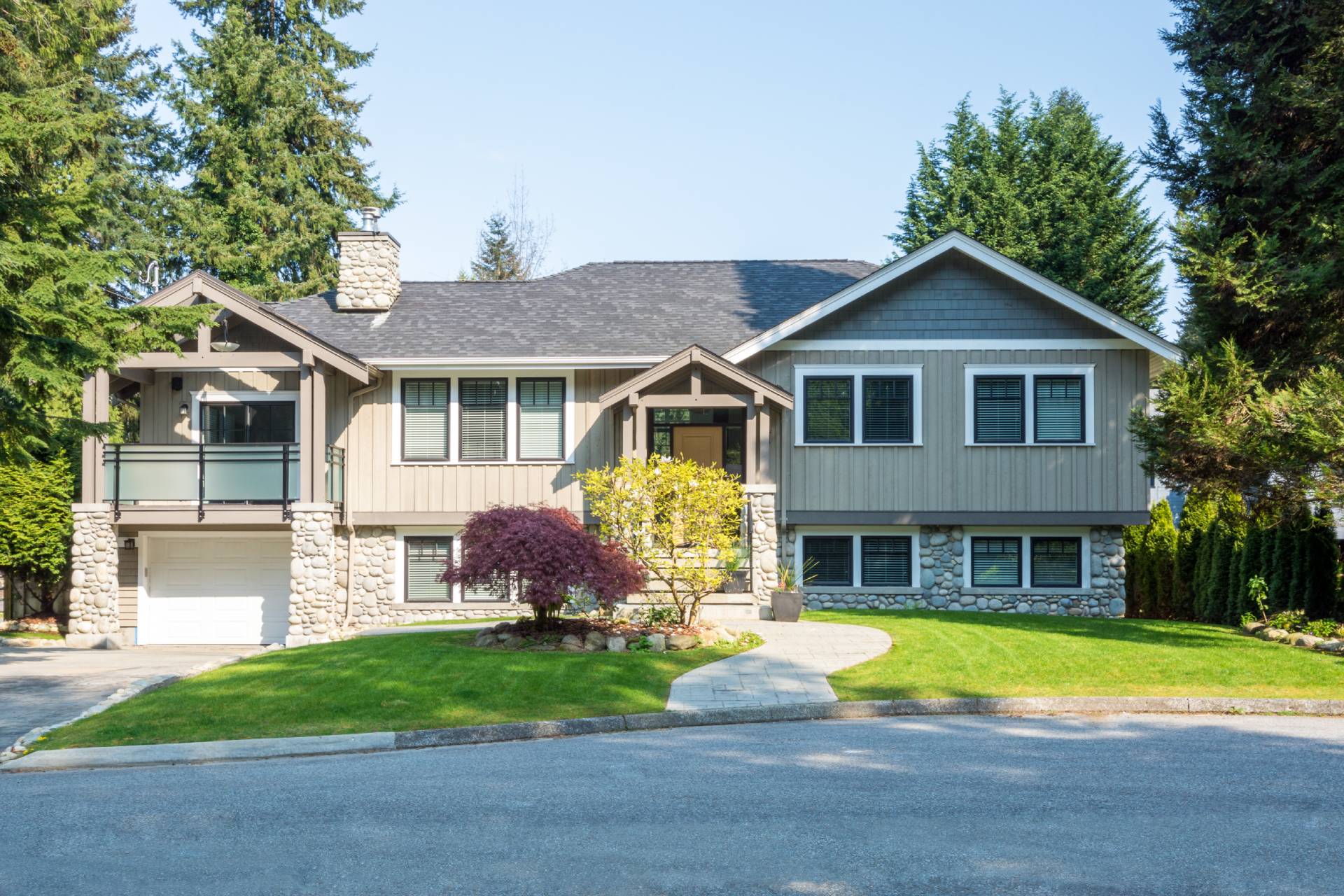
Preparing Homes for Extreme Seasons: Heavy-Duty Structural Upgrades That Pay Off
Extreme weather and aging infrastructure are putting greater demands on residential properties. Heavy snowfall, intense rainfall, freeze-thaw cycles, and changing moisture conditions can expose weaknesses in a home’s foundation and roof. Preparing for these challenges requires more than routine maintenance. Homeowners can future-proof their properties by combining substantial foundation improvements with durable overhead protection. Two projects that stand out are basement underpinning and metal roofing, which address critical structural areas from the ground up and the roof down.
Strengthening the Foundation With Basement Underpinning
A strong foundation is essential to a home's long-term stability. Over time, foundations may experience settlement, cracking, moisture problems, or limitations caused by shallow basement floors. Basement underpinning can address these concerns by strengthening and, where appropriate, extending the foundation deeper into the ground.
The process generally involves reinforcing sections of the existing foundation and creating new support beneath it. Because underpinning is highly structural work, it should be designed and completed by qualified professionals after a thorough assessment of the property and its soil conditions.
One significant advantage is the opportunity to lower the basement floor. Increasing basement headroom can transform an underused lower level into a more functional part of the home. Depending on local building regulations, zoning requirements, and the property's layout, the additional space may support a finished living area, home office, guest suite, or other uses.
Creating Valuable Space Below Grade
Lowering a basement floor can do more than improve comfort. It can increase the usable square footage of a property without expanding its footprint. In some markets, a properly designed basement may also provide an opportunity for a legal accessory dwelling or rentable space, provided it meets applicable requirements for ceiling height, egress, fire safety, ventilation, plumbing, and other building standards.
This combination of structural reinforcement and usable space makes basement underpinning a potentially significant long-term investment. Homeowners should evaluate the project not simply as a repair, but as an opportunity to improve the foundation while making better use of previously limited space.
Protecting the Home From Above With Metal Roofing
While the foundation supports the home from below, the roof provides its first line of defense against the elements. Metal roofing is designed to withstand demanding weather conditions, including heavy rain, strong winds, snow accumulation, and repeated freeze-thaw cycles.
Unlike some roofing materials that can become brittle or deteriorate with age, properly installed metal roofing can provide decades of service. Certain systems are designed and warranted for service lives approaching 50 years or more, depending on the material, coating, installation quality, climate, and maintenance.
Metal panels can also shed snow effectively when properly designed and installed. Appropriate roof ventilation and insulation remain important, however, because even a highly durable roof cannot eliminate problems caused by inadequate attic ventilation or poor insulation. In cold climates, a complete roofing strategy can help reduce conditions that contribute to ice dams and moisture intrusion.
A Top-to-Bottom Approach to Resilience
The greatest benefit comes from viewing these projects as complementary improvements rather than isolated upgrades. Basement underpinning reinforces the structure at its foundation and can create additional usable space, while metal roofing protects the uppermost part of the building from recurring weather exposure.
Together, they address two areas that are fundamental to a home's durability. Stronger foundation support can help protect against structural problems associated with settlement and changing conditions, while a durable roof can reduce the frequency of replacement and help protect the interior from precipitation.
This top-to-bottom strategy can also make a property more attractive to future buyers. Structural improvements, additional finished space, and a long-lasting roof can contribute to a home's overall functionality and perceived value. Depending on the insurer and the property's specific risk profile, certain upgrades may also support discussions about maintenance, resilience, or insurance considerations, although homeowners should confirm any potential savings directly with their insurance provider.
Investing in Long-Term Peace of Mind
Extreme seasons are difficult to predict, but homeowners can make their properties better prepared for them. Combining basement underpinning with metal roofing creates a comprehensive approach to residential resilience: strengthen the foundation, maximize the basement, and protect the home from above.
These are substantial projects that require professional planning, permits where applicable, appropriate engineering, and quality installation. When carefully executed, however, they can improve structural durability, expand usable space, reduce maintenance concerns, and support long-term property value. For homeowners looking beyond short-term fixes, heavy-duty structural upgrades can provide a practical path toward a safer, more resilient, and more adaptable home.

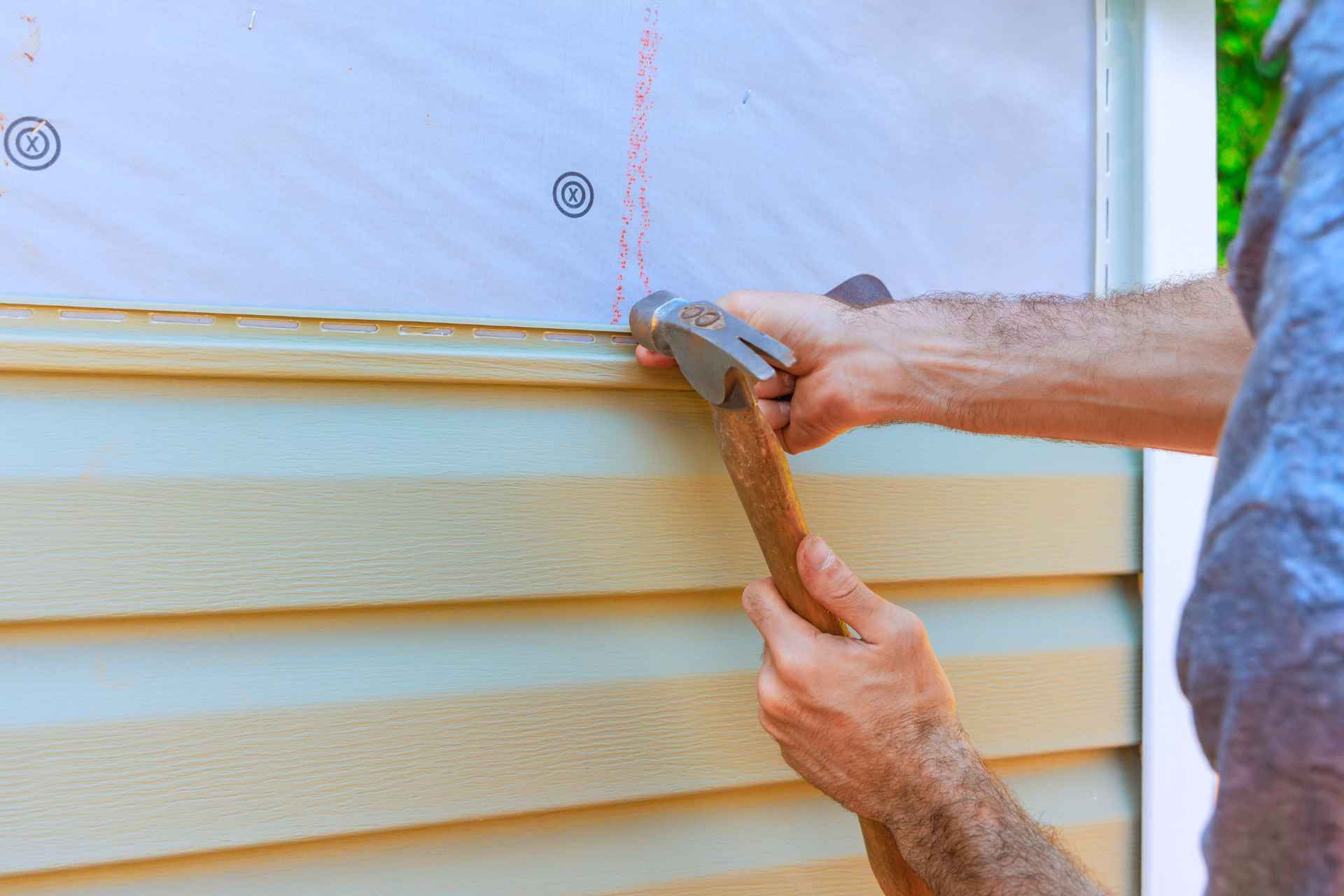
The Pre-Winter Seal: How Fall Siding Repairs Prevent Mould, Rot, and Thermal Loss
When preparing a property for listing or long-term ownership, any knowledgeable real estate agent will emphasize that exterior wall integrity directly dictates home value. A stunning front porch and fresh coat of paint might capture initial buyer interest. However, professional home inspectors always look beneath the surface. They inspect the exterior siding panels, corner posts, and window trims for subtle cracks, warping, or gaps. In Canada, where seasonal weather brings driving autumn rain followed by severe winter freezing, a compromised exterior cladding system quickly leads to costly structural damage.
Your siding acts as the primary armour for your home's structural framing and interior spaces. During late summer and autumn, driving rains test every seam and fastener across your exterior walls. If water manages to creep behind loose or cracked siding panels, it becomes trapped against the wooden sheathing and wall studs. Once sub-zero temperatures arrive, that trapped moisture freezes, expands, and breeds hidden mould and rot inside your wall cavities. Taking a proactive approach in autumn to inspect, re-caulk, and repair your siding seals your home's envelope before winter locks in moisture.
The Quick Edit
- Hidden Moisture Threat: Small cracks in aging siding allow driving autumn rain to penetrate house wrap, creating damp environments for hidden wood rot and mould growth.
- Thermal Bridging Defence: Installing rigid foam insulation behind new siding panels breaks thermal bridges across wooden wall studs, lowering winter heating bills.
- Optimal Fall Tolerances: Repairing siding during moderate autumn temperatures ensures installers set accurate expansion gaps, preventing panels from warping in summer or cracking in winter.
The Hidden Danger of Autumn Rain and Winter Freezing
To understand why small siding defects become major structural disasters during winter, it helps to examine how water behaves inside wall assemblies. During September and October, heavy rainfall hits exterior walls at sharp angles driven by seasonal winds. If your siding features hairline cracks, loose seams, or deteriorated caulking around window frames, water gets drawn behind the panels through capillary action.
Once water passes behind the siding cladding, it encounters the weather-resistant barrier (house wrap) and the underlying plywood or OSB wall sheathing. In a healthy home, this house wrap allows the wall to dry outward. However, when cold autumn air arrives, evaporation slows down significantly.
When ambient temperatures drop below 0°C overnight, the trapped moisture undergoes a phase change. As water freezes into ice, it expands by approximately 9% in volume. This expansion exerts mechanical force against surrounding materials:
- Prying Panels Apart: Ice expansion widens small cracks in vinyl, aluminum, or wood siding, forcing adjacent panels further apart and breaking interlocking seams.
- Tearing House Wrap: As ice crystals grow between the siding and sheathing, they puncture and tear delicate weather-barrier membranes.
- Cracking Wood Sheathing: Saturated plywood absorbs trapped water. When that water freezes, it splits wood fibres, weakening the structural shear strength of your exterior walls.
Preventing Hidden Mould and Structural Frame Rot
Water intrusion behind siding does not merely cause cosmetic damage. It directly threatens the structural health of your home and the air quality inside your living spaces.
The Mechanics of Wood Rot
Wood-decay fungi require three specific conditions to thrive: moisture content above 20% in wood framing, ambient oxygen, and mild-to-moderate temperatures. During wet autumn months, water trapped behind compromised siding creates the perfect environment for wood-rot spores to germinate.
As fungi digest the cellulose and lignin within wooden wall studs and sheathing, the framing loses its structural strength. In severe cases, load-bearing studs become soft and spongy, leading to sagging floors, misaligned window frames, and thousands of dollars in structural repairs.
Indoor Air Quality and Mould Spores
Unlike wood rot, which weakens structural timbers, toxic mould growth behind siding poses a direct risk to human health. When moisture remains trapped inside wall cavities, species like Stachybotrys chartarum (black mould) and Aspergillus colonize the damp paper backing of drywall and insulation.
As the furnace runs throughout winter, negative indoor air pressure draws air from wall cavities into living areas. Mould spores and microscopic mycotoxins enter your indoor air stream, triggering respiratory issues, allergies, and chronic headaches for family members. Executing fall siding repairs seals out water, keeping wall cavities dry and mould-free.
Stopping Heat Loss and Eliminating Thermal Bridging
Beyond keeping water out, your siding system plays a central role in keeping heat in. During a cold Canadian winter, space heating accounts for up to 60% of a home's total energy consumption. If your exterior walls lack proper insulation or airtight seals, your furnace must work continuously to maintain comfortable room temperatures.
Thermal Bridging Explained
In standard residential platform framing, wooden wall studs are placed every 16 or 24 inches along the wall assembly. While the cavities between studs are filled with fibreglass or mineral wool insulation, the solid wooden studs themselves remain uninsulated.
Because wood conducts heat far faster than cavity batt insulation, heat flows out rapidly through the studs from the warm interior toward the cold outdoor air. The uninsulated stud acts as a thermal highway directly through the building envelope.
The Continuous Insulation Solution
When executing fall siding repairs or complete panel replacements, contractors can install a continuous layer of rigid foam insulation or stone wool board over the sheathing before mounting new siding.
This continuous insulation layer wraps around the entire exterior frame, covering every wooden stud like a warm winter jacket. Breaking the thermal bridge drastically increases total wall R-value, eliminates cold interior wall spots, and lowers monthly heating bills throughout the coldest months.
Material Choices: How Different Siding Types Handle Winter
When planning fall siding repairs or upgrades, selecting the right material for the Canadian climate is essential. Each siding material possesses distinct physical properties regarding moisture resistance, thermal expansion, and impact durability.
1. Vinyl Siding
Vinyl remains a popular choice due to its affordability and low maintenance. However, vinyl undergoes significant thermal contraction in cold weather. If installed in freezing temperatures, panels contract tightly and crack when nailed. Installing or repairing vinyl siding during moderate autumn temperatures allows contractors to set nail heads in the center of manufacturer slot channels, ensuring panels expand and contract smoothly without buckling or snapping.
2. Fiber Cement Siding
Composed of sand, cement, and cellulose fibres, fibre cement siding offers exceptional resistance to fire, rot, and wood-boring insects. It maintains dimensional stability across extreme temperature swings, making it ideal for freeze-thaw cycles. Fall installation requires proper caulking along butt joints and factory-sealed cut edges to prevent moisture absorption prior to winter freezes.
3. Engineered Wood and Composite Siding
Engineered wood combines natural wood fibres with wax and industrial-grade resins to create lightweight, highly durable siding planks. Treated with zinc borate throughout its manufacturing process, engineered wood resists fungal decay and insect damage while offering the authentic aesthetic of natural timber.
A Comprehensive Fall Siding Inspection Checklist
Before the first snowfall arrives, perform a thorough perimeter walk of your home to identify potential siding vulnerabilities:
- Check Lower Wall Clearance: Ensure ground soil and mulch sit at least 6 inches below the bottom edge of your siding panels to prevent moisture wicking and insect entry.
- Inspect Penetration Seals: Examine caulking around outdoor hose bibs, dryer vents, electrical conduits, and wall sconces. Re-apply exterior-grade polyurethane or silicone caulk where seals have cracked.
- Examine Window and Door Flashing: Verify that metal drip caps above windows and doors sit flat beneath the siding above, directing water away from frame tops.
- Look for Loose or Buckled Panels: Push gently against siding courses along high-wind walls. Secure loose panels to underlying framing studs to prevent wind uplift during winter storms.
- Clear Eavestroughs and Downspouts: Ensure roof gutters do not overflow onto adjacent siding walls during autumn downpours.
Protecting Your Building Envelope
Your home's siding is its primary line of defence against severe Canadian weather. Ignoring loose panels, cracked caulking, or missing trim before winter exposes your framing to moisture intrusion, structural rot, and high heating bills. By scheduling professional siding repairs during the clear, moderate weather of autumn, you seal your building envelope from top to bottom. You protect your framing against freeze-thaw damage, lower your energy costs, and preserve your property's resale value for years to come.