Digging Deeper: How Underpinning Safely Maximizes Usable Space in a Custom Home Build
Building a luxury home in Canada’s most desirable urban centers presents a unique set of architectural challenges. High-end neighbourhoods in cities like Toronto, Vancouver, and Ottawa are often defined by historical charm and highly competitive lot markets. Property owners frequently find themselves constrained by tight property lines, strict municipal zoning bylaws, and rigid lot-coverage allowances. These restrictions make it virtually impossible to expand a home’s footprint outward into the yard. When growing families need more square footage for specialized lifestyle spaces, they cannot simply build a massive rear extension or add multiple stories above ground. Instead, the smartest way to capture premium square footage is to look directly beneath your feet.
To safely unlock this hidden potential, affluent homeowners rely on the elite engineering capabilities of a premier custom home builder. These high-end professionals understand that a luxury home should feel expansive on every single level. While older properties are typically limited by low-clearance, damp cellars that are only suitable for utility meters and storage, modern engineering completely changes this dynamic. By bringing in structural specialists to execute professional basement underpinning, a builder can safely lower the basement floor. This highly technical process replaces a cramped crawlspace with a soaring, high-clearance lower level. This sophisticated structural upgrade allows homeowners to dramatically increase their total living space without altering the exterior footprint of the property.
The Engineering Mechanics of Safe Foundation Lowering
Lowering the floor of an existing house is a highly delicate operation that demands absolute engineering precision. The entire weight of the home rests directly on the original foundation footings. This means that crews cannot simply excavate all the earth from the basement at once without causing a catastrophic structural collapse. A skilled builder prevents this danger by implementing a strict, systematic sequencing plan known as pinning. Workers carefully divide the perimeter of the existing foundation into small, equal segments. These sections are typically three feet wide and are spaced far apart from one another to ensure the home remains perfectly supported throughout the project.
The field team excavates a single section at a time, digging straight down beneath the original foundation to the desired new depth. Once they reach the correct level, they build heavy-duty wooden forms and pour high-strength concrete beneath the old footing. This creates a brand-new, deeper concrete block that securely supports that specific section of the house. The crew lets the new concrete cure completely before moving on to the next designated section. They repeat this careful process around the entire perimeter until the home rests securely on a continuous, lowered foundation wall. This complex method reinforces the structural integrity of the home while safely delivering the tall overhead clearance required for a premium living space.
Transforming the Lower Level into Premium Living Space
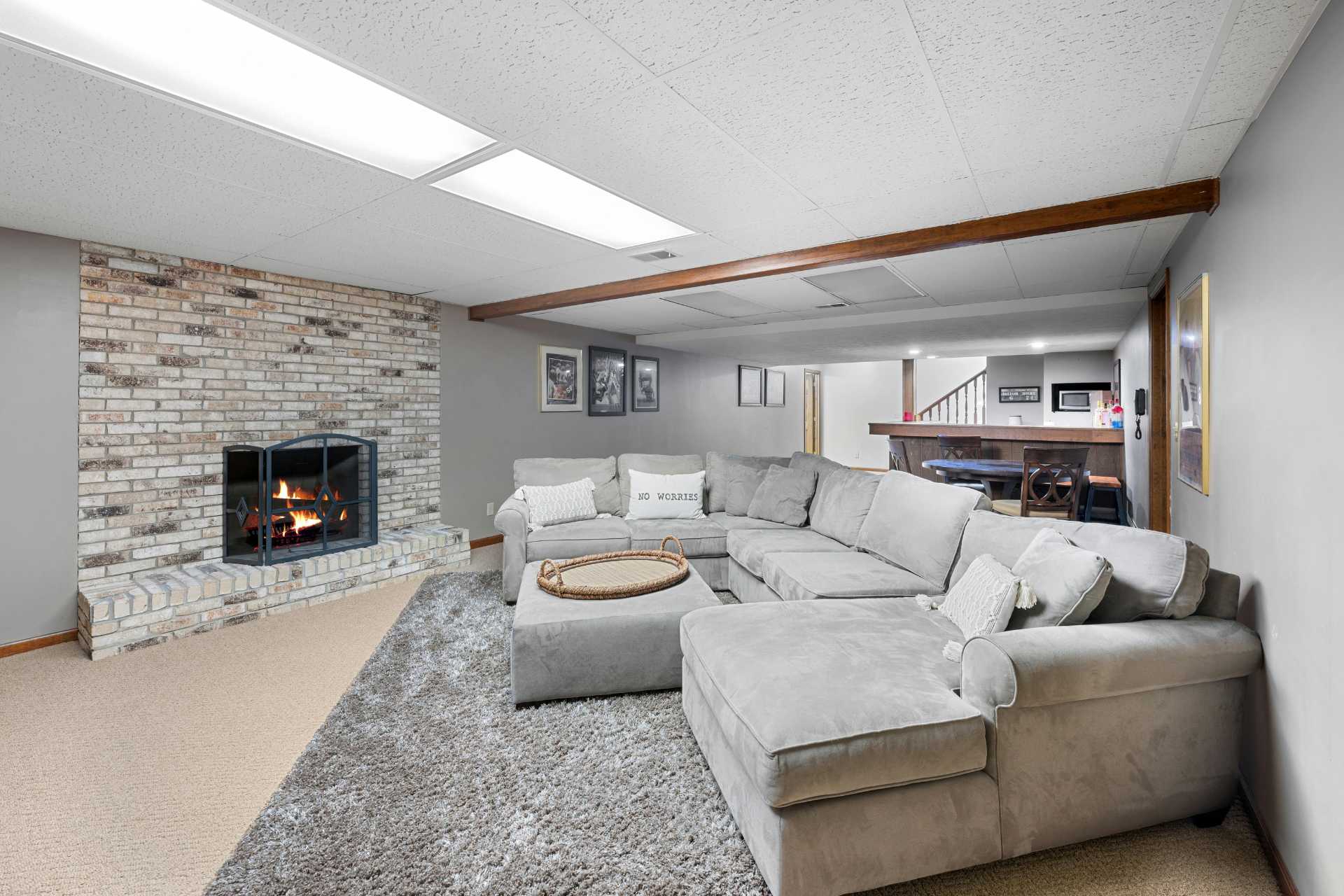
Once the underpinning process is complete and the extra headroom is secured, the lower level completely loses its dark, subterranean feel. This structural transformation allows your builder to design high-end rooms that mirror the luxury and comfort of the upper floors. Homeowners can convert this newly captured space into expansive entertainment hubs, such as soundproofed home theatres, personal fitness centers, or custom climate-controlled wine cellars. The extra vertical space also allows for the installation of large, oversized windows and deep walk-out lightwells. These architectural features flood the basement with natural sunlight, making the lower level feel open, bright, and completely integrated into the rest of the home.
Lowering the floor also provides the perfect opportunity to upgrade the home’s foundational indoor comfort systems. Before pouring the final finished concrete floor slab, crews install a modern, multi-layered moisture defence system. This setup includes heavy-duty poly vapor barriers, high-density exterior insulation boards, and advanced interior weeping tile networks connected to a reliable sump pump. Furthermore, workers can lay down flexible PEX piping across the entire floor area to create an efficient under-slab radiant heating system. This luxurious heating setup eliminates the cold, damp floors typically associated with basements. It delivers consistent, cozy warmth that makes the lower level comfortable during the coldest Canadian winter months.
Navigating Municipal Bylaws and Utility Engineering
Lowering a property’s foundation requires more than just mechanical labour and engineering designs. In major Canadian municipalities, altering a home’s structural core involves careful navigation of local planning departments and strict building codes. A premier custom home builder handles this complex administrative process before any shovels hit the dirt. They secure the required zoning permits, coordinate with structural engineers, and schedule municipal inspections for each stage of the pinning process. Failing to secure these legal approvals can result in massive city fines, forced construction halts, and severe insurance complications down the road.
Furthermore, digging downward changes how your home connects to the neighbourhood’s underground infrastructure. When you lower a basement floor, you often drop beneath the level of the main municipal sewer line running under the street. This depth shift means that waste and storm water can no longer rely on simple gravity to drain out of your home. To fix this plumbing hurdle, your building team installs specialized backwater valves and heavy-duty sewage ejector pumps. These systems safely collect waste from the lower level and pump it upward into the main city lines. This modern mechanical setup ensures your new space remains perfectly sanitary, operational, and safe from backflows during intense urban storms.
The Financial Impact: Enhancing Urban Property Equity
When evaluating high-end home renovations, savvy property owners look closely at the long-term return on investment. In highly competitive Canadian housing markets, the financial equity gained from a basement expansion often far outpaces the initial construction costs. Buying a larger lot or moving to a bigger house in the same premium neighbourhood triggers expensive land transfer taxes, high real estate agent commissions, and stressful moving logistics. Lowering your foundation allows you to bypass these friction points completely, turning existing, unused subterranean real estate into highly valuable livable square footage.
Real estate data consistently shows that high-clearance, bright basements fetch a significant premium during property appraisals. Future buyers no longer look at lower levels as simple storage zones; they treat them as essential lifestyle spaces. A home that features a professional-grade fitness room, an isolated home office, or a legal secondary rental suite stands out immediately in any market. By choosing to lower your foundation, you effectively manufacture prime real estate within your original property boundaries. This strategic structural upgrade maximizes your current quality of life while securing your financial future in Canada’s shifting real estate landscape.
Expanding Your Footprint Without Moving Out
Investing in professional foundation lowering is the ultimate way to maximize the volume, utility, and financial equity of an urban Canadian property. Trying to build outward often triggers long, stressful legal battles with local committee of adjustment boards over zoning variances. In contrast, digging downward allows you to bypass these exterior restrictions entirely. It honors the original architectural style of the neighbourhood while giving you the freedom to customize your home’s interior layout exactly as you see fit.
Successfully modifying a building’s primary foundation requires an uncompromising commitment to structural safety and premium craftsmanship. Partnering with an experienced builder ensures that every phase of the excavation and concrete pouring complies with strict national building codes. By choosing a sophisticated approach to space optimization, you protect the long-term stability of your home. You turn an underutilized cellar into a beautiful, high-value asset, ensuring your property perfectly serves your lifestyle needs for years to come.

Closing the Deal: Why a New Roof is a Real Estate Agent’s Best Friend in 2026
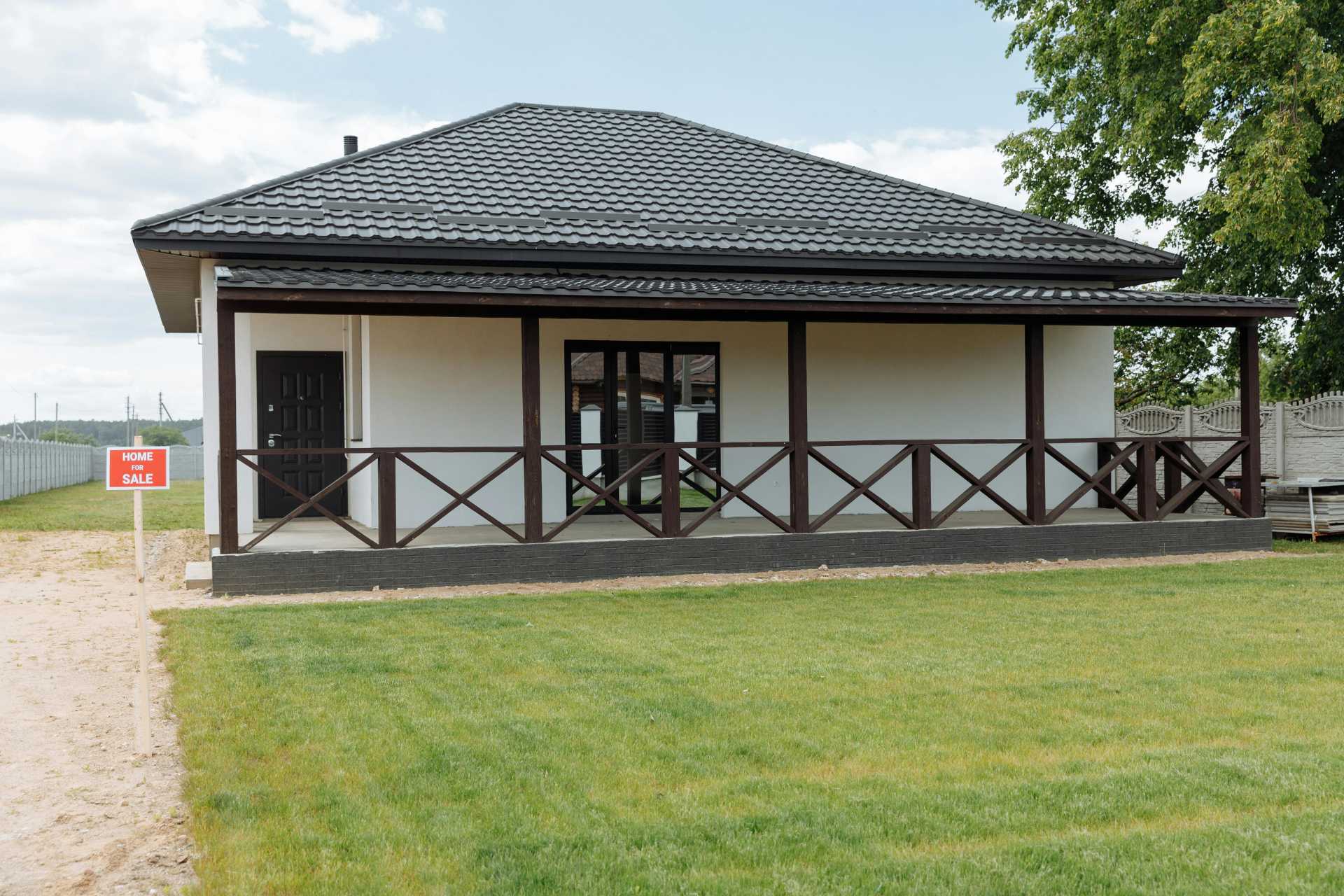
The Canadian real estate market of 2026 has entered a phase of heightened pragmatism. The days of “as-is” bidding wars have largely faded, replaced by a landscape where buyers hold more leverage and exercise extreme caution. In this environment, a seasoned real estate agent knows that the success of a listing often hinges on the home’s “big ticket” systems. Among these, roofing stands as the most influential factor. It is the first thing a buyer sees from the curb and the first item an inspector probes.
In a landscape of high interest rates and conservative lending, a new, warrantied roof is more than just a repair; it is a strategic financial asset. It is the ultimate tool to secure a firm offer and maximize the sale price. For sellers, understanding the relationship between overhead protection and market value is the key to a stress-free closing.
The Buyer’s Psychology: Avoiding the “Day One” Expense
In 2026, the average Canadian homebuyer is financially stretched. Between mortgage carrying costs and the rising cost of living, the last thing a new owner wants is a “Day One” catastrophe. When a potential buyer pulls up to a house and sees curling shingles or moss growth, they don’t just see a roof; they see a looming $20,000 debt.
This triggers what agents call “inspection fatigue.” Once a buyer identifies a major flaw like aging roofing, they begin to look at the rest of the house with a skeptical eye. They start hunting for cracks in the foundation, outdated electrical panels, or plumbing issues. They stop imagining where their furniture will go and start calculating how much they need to “chip away” at your asking price to cover future repairs.
Conversely, a new roof offers a powerful emotional appeal: the “Turnkey” promise. There is immense psychological value in knowing that the home’s most vital shield is brand new. It allows the buyer to focus on the lifestyle the home offers, rather than the maintenance it demands. In a competitive market, the house that promises twenty years of worry-free living will always beat the house with “potential” but an aging crown.
The Agent’s Secret Weapon: The Transferable Warranty
For a real estate agent, a new roof is a gift that keeps on giving throughout the negotiation process. The most effective agents don’t just list “new roof” in the feature sheet; they highlight the transferable manufacturer warranty. In 2026, where long-term security is a top priority, a 50-year or “Lifetime” warranty acts as a secondary insurance policy for the buyer.
Beyond the shingles themselves, agents use the roof to sell the “invisible” health of the home. They point to the quality of the new underlayment and improved ridge ventilation as proof of energy efficiency. A properly ventilated roof keeps the attic cool, which significantly lowers summer cooling costs—a major selling point for the environmentally and financially conscious buyer of 2026. This “certified” status allows the agent to justify a higher asking price, positioning the home as a premium, low-risk investment compared to the neighbourhood average.
The “Roofing Premium”: Analyzing the 2026 ROI
Many sellers hesitate at the cost of a full replacement, wondering if they will “get their money back.” In the current market, the math is clear. While a high-quality asphalt roof might cost between $12,000 and $18,000, it prevents the much more expensive “price chipping” that occurs during the conditional period.
If a home inspector flags an aging roof, the buyer rarely asks for a $15,000 discount. Instead, they often demand $25,000 or $30,000 off the price, citing the “hassle” and “uncertainty” of the project. By replacing the roof before listing, the seller retains control of the narrative and the budget. You choose the contractor and the materials, ensuring the job is done right and at a fair market price, rather than being at the mercy of a buyer’s inflated repair estimate.
Furthermore, roofing plays a critical role in the appraisal process. In 2026, banks are more conservative with their valuations. If an appraiser notes that a roof is at the end of its life, they may undervalue the property, causing the buyer’s financing to fall through at the eleventh hour. A new roof ensures the home hits its valuation targets, smoothing the path for the bank’s approval.
Pre-Listing Strategy: To Repair or Replace?
A proactive real estate agent will perform an “informal audit” of your roof long before the first open house. They look for the classic warning signs: granule loss in the gutters, curling edges, or staining on the interior attic ceilings. If the roof is more than 15 years old, the advice in 2026 is almost always to replace rather than repair.
Savvy buyers can spot “Band-Aid” repairs—where a few shingles are replaced or a leak is patched—from a mile away. These localized fixes often look worse than an honest, aging roof because they suggest the owner was only doing the bare minimum to hide a problem. A full replacement, however, signals pride of ownership.
To make this process easier, sellers should use a business finder to locate roofing specialists who understand the “Real Estate Ready” approach. These contractors specialize in high-impact, efficient replacements that focus on the colours and styles currently trending with buyers, such as “Architectural Gray” or “Shadow Black.” They provide the documentation, photos, and warranty certificates that your agent needs to build a bulletproof listing.
Building a Foundation for a Successful Sale
The roof is the most important surface of your home. It protects everything beneath it—your family, your belongings, and your financial equity. In the 2026 Canadian real estate market, don’t let your roofing be the reason a sale falls through or a price is slashed.
By investing in a professional replacement before you list, you empower your real estate agent to fight for every dollar of your asking price. You eliminate the “looming debt” for the buyer and replace it with the confidence of a turnkey property. In the end, a new roof doesn’t just protect a house; it protects the deal. Consult with a local agent and a roofing specialist today to ensure your property is the most attractive, secure, and high-value listing on the block. Make the choice to lead the market, rather than being managed by it.
The 2026 Curb Appeal Reset: Why Fresh Siding and Smooth Asphalt are the Ultimate ROI Pair
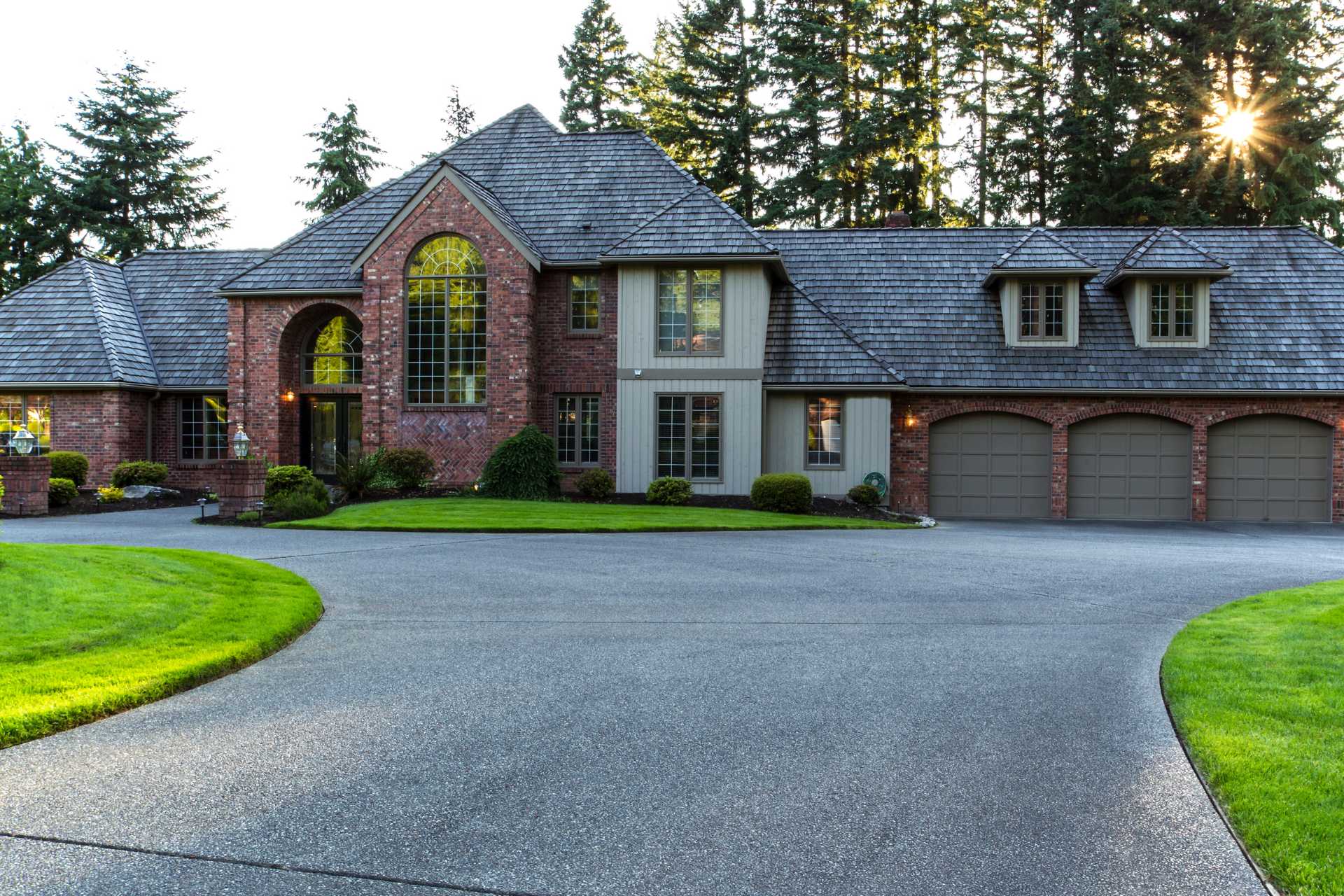
In the competitive Canadian real estate landscape of 2026, the "first look" carries a heavy financial weight. Recent market reports indicate that curb appeal accounts for up to 7% of a home’s total valuation. This means a lacklustre façade isn't just an aesthetic disappointment; it is a direct drain on your home equity. When homeowners plan a renovation, they often isolate individual repairs, but the most successful property owners treat the house as a unified "visual envelope." By coordinating a siding refresh with the installation of a high-quality asphalt driveway, you achieve a "new build" aesthetic that maximizes both long-term durability and immediate return on investment.
Faded, cracked siding and a crumbling, graying driveway work together to age a property prematurely. No matter how modern your interior kitchen might be, a buyer’s psychological set-point is established before they even step out of their car. To truly future-proof your home against the environmental stressors of the Canadian climate, you must address the ground and the walls as a single, protective shield.
Siding Trends 2026: Moving Toward "Quiet Luxury"
The "basic vinyl" look of the previous decade has officially been replaced by a movement designers call "Quiet Luxury." In 2026, the dominant palette has shifted toward warm neutrals, such as Monterey Sand, and deep, nature-inspired greens like Sage or Juniper Grove. These colours harmonize with the natural Canadian landscape rather than clashing with it.
Beyond colour, the "Mixed-Material Movement" dominates the market. Homeowners now use vertical board-and-batten accents on gables or integrate wood-grain textures—like cedar or walnut faux-finishes—into a traditional lap siding layout. This creates architectural interest and depth that simple siding cannot provide. Furthermore, modern siding systems serve as a critical part of your home’s energy strategy. With 2026 utility rates continuing to rise, high-performance insulated siding reduces "thermal bridging." This keeps your home significantly warmer during the deep freeze of January and cooler during the humid peaks of July.
The Asphalt Advantage: The Clean Lines of a New Entrance
If the siding is the "suit" of the home, the driveway is the "shoes." A deep, dark asphalt surface provides the perfect high-contrast base that makes your new siding colour pop. In the 2026 Canadian market, contractors have shifted toward high-density, polymer-modified asphalt mixes. These "Warm-Mix" variations offer superior flexibility during the extreme freeze-thaw cycles that characterize our local climate.
The "Asphalt Advantage" lies in its clean lines and seamless finish. To elevate the look even further, many homeowners now opt for stone or brick edging. This small architectural detail ties the driveway into the home’s masonry and new siding, creating a cohesive, estate-like feel. Unlike gravel or interlocking stone, which can shift or allow weed growth, a fresh asphalt pour provides a crisp, maintenance-free boundary that defines your property with professional precision.
The "Hidden" ROI: Moisture Management and Structural Health
The relationship between your driveway and your siding is more than just cosmetic; it is functional. Engineers call this the "Drainage Handshake." A properly graded asphalt driveway sheds water away from the house. When a driveway sinks or cracks near the foundation, it allows water to pool at the base of your siding. Over time, this moisture wicks upward, leading to rot in the wooden sheathing behind your exterior walls.
By replacing both at once, you ensure that the flashing—the protective metal used to direct water away from the house—integrates perfectly with the new pavement height. This prevents the "hidden decay" that often compromises a home’s structural integrity. You aren't just buying beauty; you are buying a dry basement and a rot-free frame. In 2026, savvy buyers look for these technical details during the home inspection phase. Showing that you have a unified moisture-management system in place can save a deal from falling through.
Financial Strategy: Why Bundling Exterior Projects Makes Sense
Logistically, managing one "exterior overhaul" is far more efficient than juggling multiple disconnected projects over several years. When you hire a contractor to handle the siding and the driveway in tandem, you reduce mobilization costs. You only have to deal with the disruption of workers on your property for one concentrated period rather than three separate summers.
Furthermore, bundling these projects protects you from the rising costs of raw materials. In 2026, global supply chain fluctuations will still impact the price of petroleum-based products like asphalt and vinyl. Completing the work now locks in your costs and begins your ROI clock immediately. Professional photography of a cohesive exterior drives 40% more traffic to online real estate listings, as "digital curb appeal" is the first hurdle any seller must clear.
Investing in Your Home’s Future
A "turnkey exterior" is the gold standard for 2026. Buyers are increasingly wary of "fixer-uppers" and are willing to pay a significant premium for properties where the big-ticket items—the walls and the driveway—are already modernized. By treating your home as a single project, you ensure that textures, colours, and drainage systems remain consistent.
Investing in your home’s exterior is the most effective way to protect your equity. From the energy savings of modern insulated siding to the structural protection of a perfectly graded asphalt driveway, the return on investment appears in your monthly utility bills and your eventual sale price. Reset your home’s identity from the ground up. Enjoy the peace of mind that comes with a fortified, beautiful, and high-value property.

Preventing the "Draft" Why New Siding Protects Your Heating Investment
Living in this climate requires a home that can withstand extreme temperature swings. These changes range from humid summers to bone-chilling winter nights. Homeowners often treat interior heating and exterior walls as separate entities. However, they actually function as a single "thermal team." When the temperature drops, a reliable furnace repair ensures your system fires at peak efficiency. Yet, that heat only stays inside if your home’s "envelope" is secure. This is where high-quality siding plays a vital role. It acts as a protective windbreaker that keeps the warmth from escaping through the walls.
In 2026, a high-performance home is all about this "thermal envelope." If your exterior cladding is cracked, warped, or aging, it allows freezing air to penetrate the wall cavity. This forces your heating system to work twice as hard to keep up. By addressing both the internal mechanics and the external shield, you create a perfectly balanced environment. Upgrading your exterior and maintaining your interior core ensures your home remains a sanctuary against the elements.
Siding: The Home’s Protective Windbreaker
High-quality siding is the primary defence against the harsh Canadian elements. It does more than just make a house look modern. It provides a critical layer of insulation that prevents thermal bridging. When siding begins to fail due to moisture or age, it creates "micro-drafts" that pull heat away from the living space. This heat loss is a major contributor to high utility bills and uncomfortable cold spots near the outer walls of the home.
Beyond energy savings, new siding offers a massive visual ROI that boosts a property's market value. Modern materials are designed to be low-maintenance and highly durable, resisting the fading and cracking caused by intense UV rays and heavy snow. When the exterior is tight and well-insulated, it provides the necessary backup for your heating system. It ensures that the energy you pay for stays exactly where it belongs—inside your home.
The Furnace: The Engine of Comfort
If the siding is the skin of the home, the furnace is the heart. A modern, high-efficiency unit uses smart sensors to maintain a precise climate, but it relies on a sealed environment to function correctly. When a home is drafty, the heating system is forced into "short-cycling," where it turns on and off frequently to keep up with the heat loss. This constant starting and stopping puts immense mechanical strain on the components, leading to premature wear and tear.
Ensuring your heating system is in top shape is essential for longevity. Regular maintenance allows your unit to run shorter, more efficient cycles, which significantly extends its lifespan. When your home’s outer shell is secure, the engine doesn't have to redline just to keep the living room comfortable. This balance between a powerful heater and a tight exterior creates a home that is both quiet and consistently warm.
Preventing the "Draft": A Joint Effort
Many Canadians struggle with "thermostat confusion," where one room feels like a sauna while another feels like a fridge. This is often caused by air leaks through old siding that trick the thermostat into thinking the entire house is colder than it actually is. By closing these gaps with professional siding installation and a modern house wrap, you eliminate the turbulence that disrupts your home’s airflow.
This joint effort between your exterior and your HVAC system improves indoor air quality as well. A weather-tight exterior prevents moisture from entering the walls, which stops mould and mildew from infiltrating your ductwork. When the perimeter is secure, your furnace filters stay cleaner for longer, and the air circulating through your vents remains dry and healthy. It is a comprehensive approach to wellness that starts from the outside in.
Financial ROI: Lowering the Monthly "Energy Tax"
The combined "R-value" of insulated siding and the AFUE rating of a new heating system can drastically cut monthly utility costs. In a country where heating is a major annual expense, these savings add up quickly. Homeowners who invest in both areas often see a significant reduction in what we call the "energy tax"—the wasted money spent heating the outdoors through thin walls and inefficient machinery.
Future-proofing your property is also a major consideration for 2026 buyers. Real estate trends show that Canadian buyers prioritize homes with documented energy upgrades. Having a high-performance exterior paired with a certified, well-maintained heating system makes a property much more attractive during a sale. It provides peace of mind that the home is "move-in ready" and won't require emergency mid-winter investments.
Investing in High-Performance Living
A high-performance home requires a balance between the "Outer Shell" and the "Inner Core." Treating these systems as a team allows you to create a living space that is more comfortable, more valuable, and much cheaper to operate. You wouldn't go out in a Canadian winter without a coat, and your furnace shouldn't have to work without the protection of quality siding.
By focusing on both sides of the thermal equation, you ensure your home is ready for whatever the season brings. Elevate your comfort levels and lower your stress by investing in the structural and mechanical health of your property. When your home is built to handle the cold, you can spend your winters enjoying the warmth instead of worrying about the bill.

Moving for Life: How to Find a Neighbourhood That Matches Your 2026 Lifestyle
When you begin the journey of homeownership, it is incredibly easy to fall in love with a kitchen island, a spa-like ensuite, or a spacious backyard. However, experienced buyers eventually realize a fundamental truth: you are buying a house, but you are living in a neighbourhood. The four walls of your home provide your shelter, but the surrounding streets provide your quality of life. In 2026, as the lines between work, play, and home continue to blur, the "vibe" outside your front door has become just as critical to your long-term happiness as the layout inside the house.
Navigating this complex decision requires more than just browsing map apps. It requires the localized insight of a professional real estate agent. While you focus on the floor plan, your agent is looking at the broader picture—municipal development pipelines, shifting school boundaries, and the long-term economic health of the district. They serve as your cultural and logistical guide, helping you identify which communities are on the rise and which might be facing future disruptions. Finding a home that matches your 2026 lifestyle means performing a "community audit" that goes far beyond the property line.
1. The Walkability and "Micro-Transit" Audit
In 2026, the value of a neighbourhood is increasingly tied to its "Walk Score." Modern buyers are moving away from the "commuter suburbs" of the past and toward communities where the "15-minute city" concept is a reality. This doesn't just mean being able to walk to a grocery store. It refers to the ease with which you can access cafes, parks, and essential services without needing to start a car. High walkability is no longer just a trend for young professionals. It has become a luxury standard that preserves property value and promotes a healthier, more active lifestyle.
Beyond simple walking paths, consider exploring "micro-transit" options. Does the neighbourhood support bike lanes, e-scooter sharing, or reliable local shuttles? A neighbourhood that invests in multi-modal transportation is a neighbourhood that is built for the future. When touring a potential community, take note of the sidewalk conditions and the presence of "third spaces"—public areas like plazas or community gardens where neighbours can interact. If the streets are designed primarily for cars to speed through, the community's well-being will often suffer.
2. Proximity to Co-Working and "Digital Hubs"
The way we work has permanently shifted, and your neighbourhood needs to adapt to that. Even for those with a dedicated home office, the "work-from-home" lifestyle can lead to isolation. In 2026, one of the most sought-after neighbourhood features is proximity to high-quality co-working spaces or "digital hubs." These spaces allow residents to maintain a professional network and social connection while avoiding the soul-crushing hour-long commute to a downtown core.
When performing your audit, look at the local business directory. Are there independent coffee shops with reliable Wi-Fi, or established co-working franchises within a ten-minute radius? Additionally, check the digital infrastructure of the area. A neighbourhood might look charming and historic. However, if it lacks fibre-optic internet availability, your 2026 lifestyle will be significantly hindered. Your real estate agent can often find out which service providers cover specific blocks, ensuring you don't buy a beautiful home only to find yourself in a "dead zone."
3. Future Transit and Municipal Development Plans
A neighbourhood that looks quiet and peaceful today might be at the centre of a massive construction project tomorrow. This is where "looking under the hood" of municipal planning becomes essential. You should investigate future transit plans, such as proposed light rail extensions, new bus rapid transit (BRT) lanes, or major highway expansions. While a new transit line can significantly boost your property value over five to ten years, the intervening years of construction noise and traffic can be a major deterrent.
Furthermore, look for "Zoning Application" signs on nearby vacant lots or older commercial buildings. A leafy backyard view can disappear quickly if a five-story mixed-use development is slated for the lot behind you. Conversely, a neighbourhood that is currently "up-and-coming" might be the best investment if the city is planning new community centres, libraries, or improved parklands nearby. Your agent can help you access municipal archives to see what the skyline will look like in five years, protecting your peace of mind and your equity.
4. The "Vibe" and Social Infrastructure
Finally, there is the intangible "vibe" of a community—the social infrastructure that dictates how you will feel on a Saturday morning. Does the neighbourhood have a local farmer’s market? Are there community events, like outdoor movie nights or holiday parades? These elements are the heartbeat of a neighbourhood. One of the best ways to audit this is to visit the area at different times of the week. A street that is silent on a Tuesday afternoon might be a chaotic "shortcut" during the Friday evening rush hour.
Check the local "Parent Groups" or "Neighbourhood Watch" pages on social media. These platforms provide an unfiltered look at the community's concerns and celebrations. Are neighbours helping each other find lost pets and recommending local plumbers, or is the feed full of complaints about noise and parking? This digital footprint offers a glimpse into the social fabric you are about to join. Finding a neighbourhood that matches your lifestyle means finding a place where you feel like you belong, not just a place where you have a mortgage.
Securing Your Future in the Right Place
Choosing a home is a major financial transaction, but choosing a neighbourhood is a major life decision. In 2026, your environment dictates your productivity, your social life, and your physical well-being. By auditing walkability, digital infrastructure, and future city plans, you ensure that your investment is protected from future "shocks" and that your daily routine is enhanced by your surroundings.
Rely on your real estate agent to provide the data that isn't found on the listing sheet. They have the "boots on the ground" experience to tell you which neighbourhoods are truly community-oriented and which are merely transit corridors. When you find that perfect harmony between a house you love and a neighbourhood that supports your goals, you aren't just moving into a new building—you are moving into a better life.

The Architectural Crown: How Roof Lines Define Your Custom Home’s Character
In the landscape of Canadian residential design, the roof is far more than a "lid" designed to keep the snow out; it is the single most dominant architectural feature of a custom build. Often referred to as the "architectural crown," the silhouette of your home against the skyline sets the tone for every other design choice you make. Whether you are aiming for the soaring, traditional peaks of a Mountain Modern estate or the crisp, minimalist horizontal lines of a West Coast Contemporary, the roof lines serve as the visual anchor that defines your home’s personality before a visitor even reaches the front door.
Navigating these complex design decisions requires a collaborative effort between your custom home builder and a specialized roofing company. In the Canadian context, where we must balance aesthetic ambition with the harsh realities of heavy snow loads, high winds, and freeze-thaw cycles, choosing a roof line is a high-stakes decision. A builder ensures the structural skeleton can support your vision. On the other hand, a professional roofing team ensures that the complex intersections—the valleys, hips, and ridges—are watertight and ready for the decades ahead. Understanding the geometry of your roof is the first step in creating a home that is both a sculptural masterpiece and a durable sanctuary.
1. The Timeless Appeal of the Gable Roof
The gable roof is perhaps the most iconic silhouette in Canadian architecture, recognized instantly by its classic triangular shape. It consists of two sloping sides that meet at a central ridge, creating a high peak that feels both familiar and prestigious. In a custom build, the gable allows for incredible interior flexibility, often providing the structural framework needed for vaulted "cathedral" ceilings that make a living room feel grand and airy.
From a performance standpoint, gables are the champions of the Canadian winter. Their steep pitch is specifically designed to shed heavy snow and rain quickly, preventing the dangerous weight accumulation that can stress a home’s frame. However, they do require careful engineering; because of their flat "face," they can be vulnerable to high wind uplift if not properly braced. A quality builder will often use cross-gables (where two gable sections meet at a right angle) to add complexity and strength to the design, turning a simple triangle into a sophisticated architectural statement.
2. The Sophisticated Strength of the Hip Roof
If the gable is about height and drama, the hip roof is about stability and classic elegance. A hip roof slopes inward on all four sides, meeting at a ridge or a single point at the top. This design creates a "polished" look that is common in luxury French Provincial or Georgian-style custom homes. Because it lacks flat vertical faces, a hip roof is exceptionally aerodynamic, making it the superior choice for homes built in high-wind regions or open prairie landscapes.
Structurally, the hip roof is a "self-bracing" system, meaning the four sloping sides lean against each other for mutual support. This makes it incredibly sturdy, though it is more complex and expensive to construct than a standard gable. For a custom homeowner, the trade-off for this increased cost is superior durability and a more "grounded" aesthetic. While it offers less attic space than a gable, it provides a consistent eave line around the entire house, which is perfect for integrated gutter systems and a uniform look from every angle.
3. The Modernist Vision: Flat and Low-Slope Roofs
In 2026, the flat roof has moved from commercial buildings to the forefront of luxury residential design. Often seen in "Ultra-Minimalist" or "International Style" custom homes, a flat roof offers a clean, geometric aesthetic that emphasizes horizontal lines. It challenges the traditional "house" shape, replacing it with a sculptural, box-like form that feels incredibly sophisticated and forward-thinking. In urban Canadian centers, these designs are particularly popular for their ability to provide "bonus" living space in the form of rooftop patios or green gardens.
However, a flat roof in Canada is never truly "flat"; it is engineered with a slight slope to ensure water travels toward specialized drainage points. This style requires the highest level of expertise from a roofing company, as it relies on high-tech membranes like EPDM or TPO rather than traditional shingles to remain watertight. While they require more frequent inspections to ensure drains stay clear of leaves and ice, flat roofs provide a unique opportunity for floor-to-ceiling glass walls, as the roof structure doesn't "crowd" the tops of the windows the way a pitched roof might.
4. The Modern Farmhouse: Blending Pitch and Texture
The "Modern Farmhouse" trend has dominated the Canadian custom home market for years, and its success relies almost entirely on its roofline. This style typically features steeply pitched gables, often stacked or staggered to create a sense of history and "add-on" growth over time. The key to this look is the contrast between the sharp, traditional angles of the roof and modern materials, such as standing-seam metal or high-definition architectural shingles.
In this design, the roof isn't just a structural element—it’s a texture. A silver or charcoal metal roof on a white farmhouse creates a striking, graphic contrast that is both rustic and refined. Architects often use "shed dormers" (single-sloped roofs protruding from the main roof) to break up large surfaces and add light to upper-floor lofts. This blend of different roof types allows a custom home to feel large and grand without feeling "bulky," as the various roof planes help to scale down the mass of the building.
Engineering Your Home’s First Impression
The roof is the most visible expression of your home’s architectural integrity, serving as the literal "crown" that ties your design together. Whether you choose the snow-shedding efficiency of a classic gable, the wind-resistant sophistication of a hip roof, or the bold, geometric lines of a flat roof, your choice of roof lines will dictate the curb appeal and structural longevity of your property for a generation. By working with a custom home builder who understands your aesthetic vision and a roofing company that can execute the technical details of the Canadian climate, you ensure that your home’s character is built on a solid foundation and covered by a masterpiece. Don't treat the roof as an afterthought—treat it as the defining feature that transforms a house into your own personal landmark.

Climate Resilience: The Total Envelope "Sandwich" of Underpinning and Roofing
In the current Canadian climate, homeowners are moving away from piecemeal maintenance in favour of a "total envelope" strategy. This approach focuses on securing the home’s two primary interaction points with the environment: the ground and the sky. By coordinating basement underpinning with advanced roofing systems, a property is transformed into a fortified structure capable of withstanding the intense vertical and lateral pressures of modern climate shifts. This "sandwich" strategy ensures the structural bookends are equally resilient, creating a high-performance shell that manages water and thermal energy with maximum efficiency while significantly increasing the home's long-term value.
The Foundation as the Structural Anchor
Climate resilience begins at the foundations, where fluctuating moisture levels in Canadian clay-heavy soils cause the earth to expand and contract. This phenomenon, known as soil heave, is a leading cause of foundation settling, which creates a domino effect that travels upward through the load-bearing walls. When a foundation is compromised, the stress is transferred through the framing of the house, often manifesting as warped window frames, cracked drywall, and eventually, a distorted roofline. Basement underpinning serves as the ultimate structural anchor by extending the foundation into more stable, non-expansive soil layers or onto bedrock, effectively bypassing the problematic surface soils that lead to instability.
This stabilization is not just about the basement. It provides a level, unmoving base for the entire frame of the house. Without this deep-rooted stability, even the most expensive roofing system is at risk, as foundation shifts can warp trusses, pull flashing away from chimneys, and create "humps" or "dips" in the ridgeline that allow water to bypass shingles. By reinforcing the foundation first, homeowners ensure that the rest of the structure remains plumb and square. This foundation-first mindset is essential for any property where the soil conditions are prone to freeze-thaw cycles, as it prevents the seasonal "shifting" that can age a home prematurely and lead to cascading structural failures.
Roofing as the First Line of Defence
High-performance roofing acts as the second half of this structural sandwich. It serves as your first line of defence against wind, hail, and snow. In 2026, a resilient roof must manage two extremes. It sheds massive volumes of water during "atmospheric river" events. It also reflects intense solar radiation during prolonged heatwaves. Impact-resistant materials and standing-seam metal systems are now essential. These prevent a roof from "unzipping" during high-wind events. This type of failure often leads to catastrophic interior damage. Furthermore, modern systems now incorporate cool-roof technology. These materials bounce sunlight away from the building. This significantly reduces the cooling load on your home’s interior systems. It also prevents heat-related degradation of the building materials. By investing in these advanced layers, you protect the structure from the top down. A high-performance roof ensures the home remains a stable sanctuary in any weather.
This protection from above is most effective when the structure beneath it is perfectly stable. A high-quality roof relies on a straight, even deck to maintain its water-shedding properties. If the foundation has caused the walls to tilt, the roof’s drainage system can fail, leading to water pooling in areas weakened by the slope. By ensuring the roof is as durable as the foundation, homeowners create a redundant moisture barrier. The roof manages the water from the sky, while the newly reinforced foundation and its integrated drainage systems manage the water in the ground, ensuring that moisture never reaches the home’s structural core or compromises the basement living space.
Restoring the Vertical Load Path
The true power of combining basement underpinning and roofing lies in the restoration of the home's vertical load path. A house is designed to distribute weight evenly from the roof down through the walls and into the footings. When a foundation settles unevenly, this load path is disrupted, placing immense pressure on specific beams and joints that were never intended to carry such weight. Underpinning restores the original engineering of the home, allowing the weight of the roof—including heavy snow loads common in Canadian winters—to be transferred safely to the earth without causing structural strain or secondary cracking in the walls and ceilings.
Beyond weight distribution, a stable load path protects the longevity of the building's skeleton. When the foundation is secured, the walls no longer "spread" or "bow" under the downward pressure of the roof. This keeps the structural connections tight and prevents the microscopic shifting that eventually leads to major repairs. By ensuring the vertical alignment is correct, the roof and foundation act as two hands pressing together, providing a balanced compression that keeps the entire house steady during high-wind events or seismic activity.
Protecting the Thermal Envelope
This vertical alignment also ensures that the home's thermal envelope remains airtight and efficient. Gaps often form where the walls meet the roof or the foundation when a house begins to shift. These gaps allow conditioned air to escape, leading to high utility bills and poor indoor air quality. By "sandwiching" the home between a stabilized foundation and a secure roof, these gaps are closed, and the home's insulation can perform as intended. This results in a "passive" level of comfort, where the home maintains its temperature more effectively, reducing the strain on HVAC equipment and lowering the property's overall carbon footprint while increasing the longevity of the entire building envelope.
The relationship between the basement and the attic is often referred to as the "stack effect." In a poorly sealed home, cold air is pulled in through foundation cracks while hot air escapes through the roof. By underpinning the basement and sealing the roof simultaneously, you effectively "plug" both ends of the vacuum. This creates a much more stable environment for your HVAC system, as it no longer has to fight a constant draft. Homeowners often find that after completing these two projects, their indoor humidity levels become much easier to control, preventing the growth of mould and improving the overall health of the living environment.
Integrated Water Management Systems
Addressing the top and bottom of the home together offers a practical benefit. It allows you to create an integrated water management system. A new roofing system is only effective if it moves water away from the house. Similarly, basement underpinning often involves installing new weeping tiles and sump pumps. By coordinating these efforts, you can ensure that massive volumes of roof runoff are handled correctly. Oversized gutters collect the water and divert it through downspouts. These connect directly to your basement's external drainage system. This synergy prevents "recycling" water, where roof runoff seeps back into your foundation.
This dual-layer drainage is a lifesaver in a climate where flash flooding is common. The roof manages the immediate deluge from above. Meanwhile, the underpinned foundation handles the rising water table below. This prevents the hydrostatic pressure that often causes basement walls to buckle. You should treat roof runoff and groundwater as a single management problem. This creates a home that remains dry and secure during intense Canadian storms. Ultimately, it protects your interior finishes and your family’s peace of mind.
Achieving Total Structural Certainty
Pairing basement underpinning with a roofing overhaul achieves total structural certainty by addressing the home’s most aggressive environmental tests. By securing these two bookends simultaneously, you ensure seamless moisture barriers and a protected structural frame. In the 2026 market, these investments translate into higher property values and lower insurance premiums, as insurers recognize the "Total Envelope" as a mark of superior resilience. Investing in the foundation and roof as a unified system preserves your equity and ensures your home remains a high-performance, future-proof asset in an unpredictable world.

How Winter Soil Movement Exposes Legal Risk in Real Estate Transactions
In the Canadian real estate market, winter often acts as a harsh truth-teller for property conditions. The extreme cold and heavy snowfall can mask cosmetic flaws while simultaneously aggravating deep-seated structural issues. For many buyers, a home that appeared perfect in the autumn can suddenly develop alarming foundation cracks or bowing walls as the temperature drops. These physical changes frequently occur during the high-stakes period between the home inspection and the closing date. When a property requires significant intervention like basement underpinning, the discovery creates an immediate conflict between the parties. At this critical juncture, both buyers and sellers must consult a real estate lawyer to navigate their contractual obligations. Understanding how winter soil movement transforms a physical defect into a legal liability is essential for any successful transaction in a cold climate.
The legal framework governing home sales relies heavily on the principles of disclosure and the distinction between various types of defects. When the ground freezes, it expands with immense force, exerting lateral pressure that can compromise even the sturdiest concrete. This winter soil movement can turn a previously minor hairline fracture into a major structural failure in a matter of days. If the seller was aware of a structural weakness but failed to disclose it, they may face significant post-closing litigation. Conversely, buyers must understand the limits of their inspection rights when snow or frozen earth prevents a full assessment. Balancing these competing interests requires a clear understanding of provincial laws and the specific wording of the purchase agreement. Proactive legal advice ensures that a structural surprise does not result in a total collapse of the deal.
Freeze-Thaw Mechanics: The Catalyst for Conflict
The primary engine behind structural disputes in Canadian winters is the freeze-thaw cycle. When water in the soil turns to ice, it expands by approximately nine percent. This expansion, known as frost heave, exerts thousands of pounds of pressure against foundation walls. If the soil lacks proper drainage, the sheer volume of winter soil movement can cause foundation blocks to shift or crack. In many cases, these movements are temporary, but they can leave behind permanent damage that only becomes visible when the ground thaws. Homeowners often find that a basement that remained dry for years suddenly experiences significant water ingress during a mid-winter "January thaw."
These mechanical shifts create a difficult legal scenario because the damage can occur literally overnight. A seller may have truthfully stated that the basement was dry at the time of the listing. However, if a massive frost heave event occurs two weeks before closing, the condition of the property has fundamentally changed. This triggers a debate over whether the "as-is" condition of the home remains valid or if the seller has a duty to repair the new damage. The timing of these events often leads to heated negotiations over repair costs and closing delays. Because winter soil movement is an act of nature, determining who bears the financial risk requires a precise analysis of the "risk of loss" clauses in the contract.
Disclosure Obligations: Patent vs. Latent Defects
The legal risk in a real estate transaction often hinges on whether a foundation issue is classified as a patent or latent defect. A patent defect is an obvious flaw that a buyer could reasonably discover during a standard walk-through. For example, a large, visible crack in an unfinished basement wall is generally considered a patent defect. Under the principle of caveat emptor, or "buyer beware," sellers are typically not required to point out patent defects. However, winter soil movement can complicate this because heavy snowbanks or stored firewood may hide these cracks from view. If a defect is visible but "temporarily obscured," the legal responsibility of the buyer to find it becomes a central point of contention.
Latent defects are dangerous because they remain hidden from reasonable inspections. A foundation crack behind a finished wall or a weakness triggered by extreme cold fits this category. In Canada, sellers must disclose latent defects that make a home dangerous or uninhabitable. Winter soil movement might expose a flaw that the seller previously hid behind new drywall. In such cases, the seller could face liability for fraud or negligent misrepresentation. A real estate lawyer will investigate exactly what the seller knew and when they knew it. This detailed evidence is crucial for settling these complex structural disputes.
The "As-Is" Clause and the Winter Stress Test
Most standard real estate contracts in Canada include clauses that state the property is being purchased in its current condition. This "as-is" language is meant to protect sellers from minor complaints after the keys change hands. However, winter serves as a rigorous stress test that can push a home beyond its breaking point. If winter soil movement causes a foundation wall to fail between the time the contract was signed and the closing date, the "as-is" clause may no longer apply. This is because most contracts also include a warranty that the property will be in "substantially the same condition" on the closing date as it was when the offer was accepted.
When a home fails this winter stress test, the buyer may have the right to insist on repairs or even rescind the offer entirely. The legal threshold for rescission is high; the damage must usually be so severe that it changes the fundamental nature of the property. For example, a basement that requires immediate basement underpinning to prevent a collapse would likely meet this threshold. In these cases, the buyer’s lawyer will often negotiate a "holdback" of funds. This money is kept in trust until the ground thaws and a professional engineer can verify that the foundation is stable. These contractual safeguards are the primary tool for managing the unpredictable nature of Canadian soil during the colder months.
Resolving Disputes: Underpinning and Negotiation
When structural issues are identified late in the transaction, the focus shifts to finding a financial and technical resolution. If an engineer determines that the foundation has settled or shifted due to winter soil movement, they may recommend basement underpinning. This process involves extending the foundation deeper into the earth to reach more stable soil or bedrock. Because this work is extremely expensive and invasive, it often exceeds the buyer's available renovation budget. This leads to a secondary negotiation where the purchase price is adjusted downward to account for the necessary repairs. A real estate lawyer facilitates this by drafting an amendment to the agreement that protects both parties' interests.
In some scenarios, an escrow agreement is the most practical path forward. Since structural work cannot always be performed when the ground is frozen solid, the seller may agree to leave a portion of the sale proceeds with their lawyer. This ensures the buyer has the funds to complete the repairs once the spring thaw arrives. These agreements must be incredibly detailed, specifying who chooses the contractor, what the scope of work includes, and how disputes over the final bill will be resolved. Using professional engineering quotes as the basis for these holdbacks prevents arbitrary numbers from stalling the deal. These resolutions allow the transaction to proceed while acknowledging the reality of seasonal ground shifts.
Protecting the Deal: Proactive Legal Steps
Manage the risks of winter soil movement through proactive due diligence and specific contract language. Winter buyers should consider adding a foundation warranty to their offer. This clause requires sellers to disclose any knowledge of leaks or structural shifts. It does not stop the ground from moving. However, it provides a clear path for legal recourse if problems arise. Hiring a specialized foundation inspector is also a wise move. These experts uncover subtle frost damage that generalists often miss.
Sellers can protect themselves by providing transparent professional reports. Share warranties for past work, like basement underpinning or new weeping tiles. This transparency adds value to the home. It also prevents claims that the buyer was misled about the property's condition. A real estate lawyer can draft a disclosure statement that acknowledges past repairs. Being upfront about the building envelope helps avoid lawsuits after the sale. Transparency remains the most effective shield against winter legal complexities.
Thawing Out the Legal Complexity: Solid Advice for a Shifting Market
In a Canadian winter, the ground moves even when the market does not. It is vital to ensure your legal standing is as solid as a frozen lake. Structural shifts are inevitable in a northern climate, but they do not have to end a real estate deal. By understanding winter soil movement and disclosure laws, parties can navigate challenging foundation issues. Whether the solution involves a price reduction or an escrow agreement, the goal remains a fair property transfer. Keep your contracts tight and your inspections thorough. Involve your real estate lawyer from the very beginning. With this approach, you can settle into a new home with confidence. You will know that both your foundation and your legal rights are on firm ground.
The Hidden Heat Loss Trio: How Roofs, Windows, and Doors Affect Your Winter Energy Bills
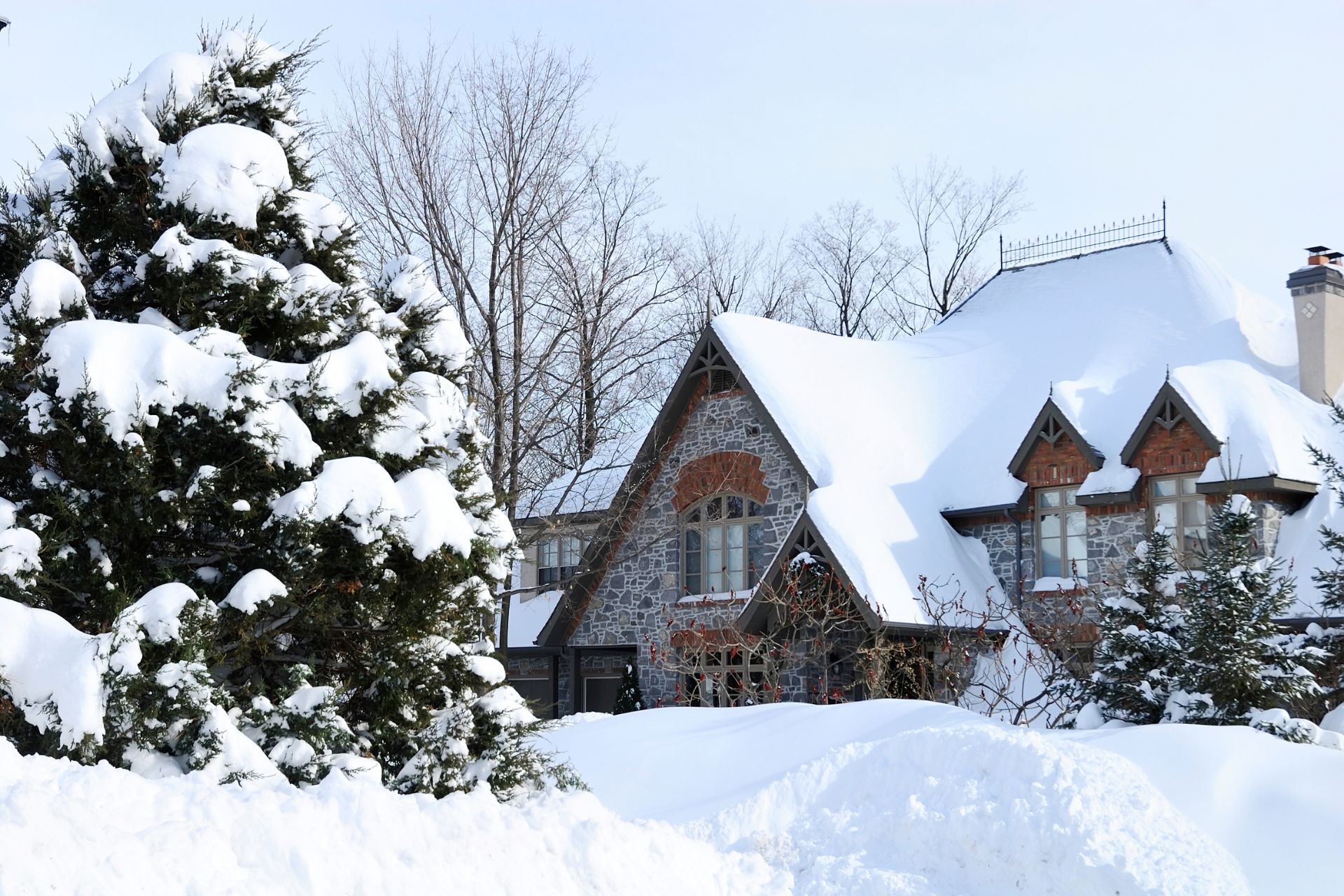
When winter energy bills surge, the furnace often takes the blame. However, even the best heating system will struggle if the home is leaking warmth through hidden weak points. This creates a costly, inefficient cycle: the furnace works hard to produce heat, that heat escapes, and the system is forced to overwork to compensate. The main culprits are a "hidden heat loss trio": the roof, the windows, and the doors. This is why consulting a trusted roofing company for an attic inspection or investing in a quality window replacement are two of the most effective strategies for improving energy efficiency. Understanding how each part of this trio contributes to higher bills is the first step toward a more comfortable and cost-effective winter.
The Roof: The "Leaky Hat" on Your Home
Since heat rises, an inefficient roof system is the single largest path for warmth to escape. This is a primary source of significant heat loss in many Canadian homes. The most obvious issue is inadequate attic insulation. Many older homes lack proper insulation by modern standards, often containing as little as R-20 instead of the recommended R-50 or R-60. This thin “hat” lets heat flow directly through the ceiling into the attic, where it escapes into the cold outside air. As a result, the furnace runs continuously to maintain the thermostat setting, wasting energy and increasing heating costs.
Even more critical than insulation thickness is air leakage. Gaps from unsealed pot lights, attic hatches, plumbing stacks, or bathroom fans act as "chimneys," actively funnelling warm, moist air directly into the attic. When this hot air gets trapped by poor ventilation (like blocked soffits), it warms the underside of the roof deck. This is the root cause of destructive ice dams, which form when the melted snow refreezes at the cold eaves. Ice dams are a clear, physical symptom of a roof that is failing to manage heat, leading to water damage, rot, and even more heat loss.
The Windows: The "Cold See-Throughs"
Windows act as “thermal holes” in a home’s walls. They drive up energy bills in two key ways—through drafts and cold transfer. Drafts are the easiest problem to notice. This type of heat loss, known as convection or air leakage, can often be felt as a chill near the window. It’s usually caused by worn weatherstripping, cracked exterior caulking, or in older homes, warped sashes that no longer seal tightly. This steady stream of cold air forces the heating system to work overtime just to keep the indoor temperature stable. The result is wasted energy and uncomfortable living conditions.
The second issue is more subtle: conduction and radiation. Even with no visible leaks, heat escapes through the glass itself. Older single-pane or early double-pane windows are poor insulators, allowing the cold surface to draw warmth from the room. That’s why a person can feel chilled when standing near an old window, even if the thermostat reads 21°C. This invisible heat loss is one of the strongest reasons to consider window replacement. Modern high-performance models with Low-E coatings and argon gas fills are designed to block both drafts and heat transfer, keeping warmth inside where it belongs.
The Doors: The "Forgotten Gaps"
The door's core material and its connection to the garage are also factors. An old, uninsulated steel or solid wood door offers very little R-value. Like an old window, its surface becomes cold and radiates chilliness into the entryway. The attached garage often creates an even larger problem. A massive, uninsulated, and unsealed garage door creates a "cold sink." This frigid zone then pulls heat through the attached wall and the door leading into the house. This makes adjacent mudrooms, kitchens, or bonus rooms significantly colder. Sealing the interior door is only a partial fix if the garage itself is an icebox.
The Solution to Heat Loss: Sealing the Envelope for Winter
The ultimate goal is to create a "sealed thermal envelope" to stop the costly cycle of heat loss and allow the HVAC system to work efficiently. The first step is diagnosis. A professional home energy audit can use a thermal imaging camera to show exactly where heat is escaping. A trusted roofing company can perform an expert assessment of attic insulation and ventilation. Once the weak points are identified, the most high-impact, low-cost fix is air sealing. This means caulking exterior gaps, sealing attic "chimneys" (like pot lights and hatches) from within, and replacing all worn-out weatherstripping on doors.
Once the air leaks are sealed, the home must be insulated. Topping up attic insulation to modern Canadian standards (R-50 or R-60) provides the single biggest return on investment for winter heating. The final step is to upgrade components that are past their prime and can no longer be repaired. This means investing in a high-performance window replacement for foggy, drafty, or single-pane units. It also means choosing a new, insulated-core entry door with a magnetic weather-sealing system. This two-part approach—sealing all leaks and then insulating the envelope—is the key to long-term efficiency and heat loss prevention.
Stop Heating the Great Outdoors
High winter energy bills are just a symptom. The real problem is heat loss from the “Hidden Heat Loss Trio”: the roof, the windows, and the doors. Every dollar spent on warmth that escapes through an under-insulated attic, a drafty window, or a worn door seal is money wasted. This ongoing loss forces the HVAC system to work harder, driving up bills and wearing out the furnace faster. Instead of treating the symptom with another service call, it’s time to fix the cause. Sealing and insulating the home’s envelope is the true cure—one that reduces costs, boosts comfort, and keeps the entire house warm through winter.
How Energy-Efficient HVAC Systems Help Homes Sell Faster
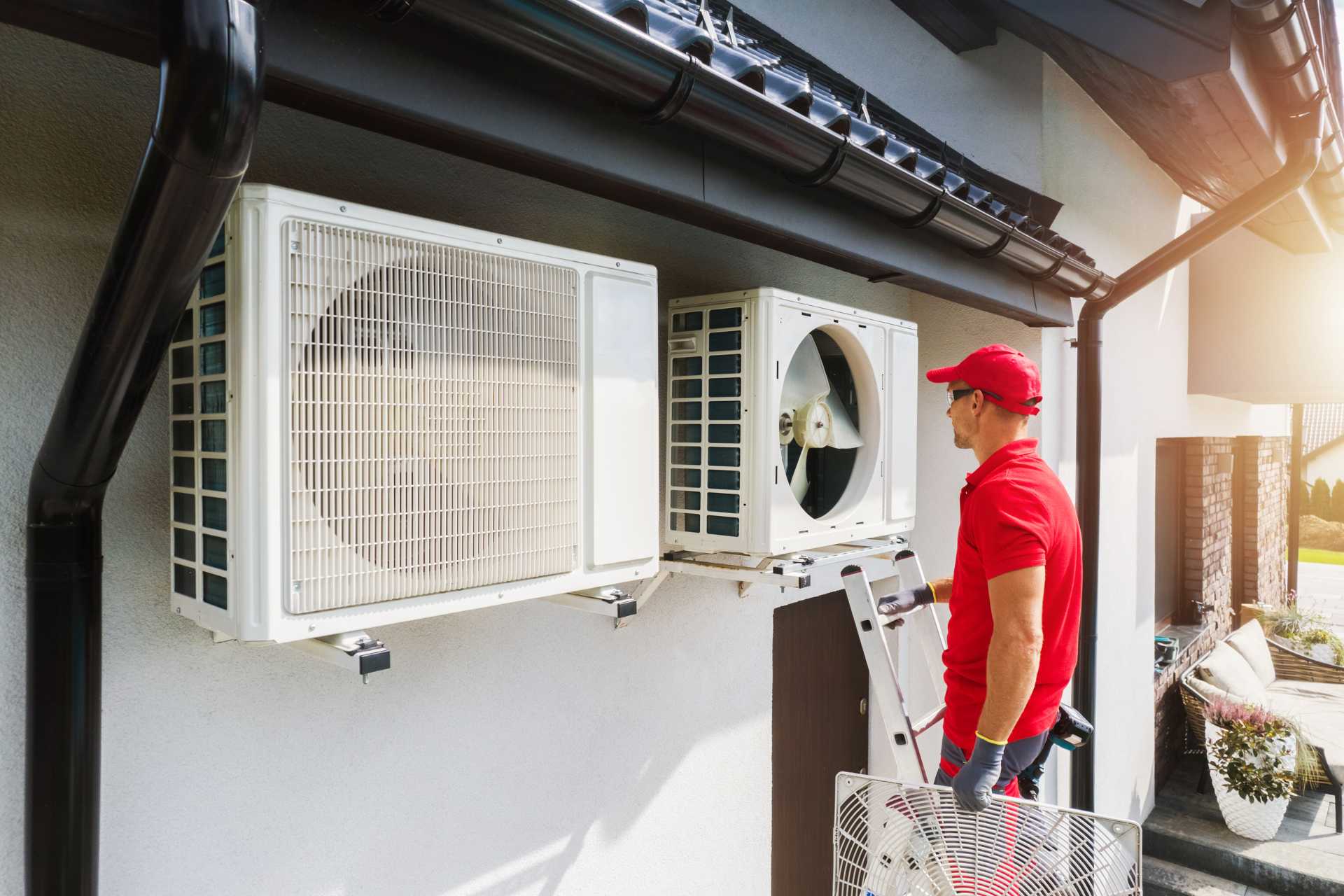
When preparing a home for the competitive real estate market, sellers often focus on cosmetic updates designed to catch a buyer's eye. Fresh paint, updated fixtures, and stylish staging are common strategies. However, the systems working behind the scenes are just as crucial, particularly the one responsible for year-round comfort. When it comes to selling a home, small upgrades can make a big difference—and one of the most overlooked is the HVAC system. A professional HVAC company can help homeowners modernize their heating and cooling systems, improving both comfort and energy efficiency. As any experienced real estate agent will tell you, today’s buyers pay close attention to energy costs and sustainability features. Investing in an energy-efficient HVAC system doesn’t just make a home more comfortable—it significantly enhances its market appeal, attracts discerning buyers, and can help it sell faster and potentially for a higher price.
Why Energy Efficiency Matters to Today’s Buyers
The priorities of homebuyers have evolved. There is a growing awareness regarding environmental impact, sustainability, and the desire for eco-friendly homes with lower carbon footprints. Buyers increasingly seek properties that align with these values. Beyond environmental concerns, however, is a strong focus on the total cost of homeownership. Potential buyers carefully consider ongoing expenses, and monthly utility bills are a significant factor. An inefficient heating and cooling system signals higher operating costs from day one, which can be a major deterrent, especially in climates with distinct heating and cooling seasons. Energy efficiency directly addresses this critical financial concern.
Beyond cost savings, buyers prioritize reliable comfort and reduced future maintenance worries. They are looking for assurance that the home’s essential systems are in good working order and will not require expensive repairs or replacement shortly after moving in. Newer, energy-efficient HVAC systems imply fewer immediate maintenance costs and greater reliability. Real estate trends consistently show a clear and growing buyer demand for homes with documented energy-efficient features. These properties are often perceived as more modern, better maintained, and ultimately, more valuable, giving them a distinct advantage in the market.
How Energy-Efficient HVAC Systems Add Tangible Value
Modern, efficient HVAC systems possess features that actively impress potential buyers and add quantifiable value. High SEER (Seasonal Energy Efficiency Ratio) ratings on air conditioners and high AFUE (Annual Fuel Utilization Efficiency) ratings on furnaces are clear indicators of lower energy consumption. The presence of an ENERGY STAR® certification provides trusted, third-party validation of efficiency. Features like smart thermostats, which allow for programmable temperature schedules and remote adjustments, signal both convenience and further potential for savings. Advanced options like zoned heating and cooling systems demonstrate a commitment to customized comfort and efficiency.
These features translate directly into a stronger financial proposition for buyers. Newer HVAC models can often lower annual heating and cooling bills by 20–40% compared to older, less efficient units. This ongoing saving significantly improves the home's perceived value and affordability. During showings, highlighting these efficient systems captures buyer interest. Importantly, a modern system is less likely to raise red flags during a home inspection, leading to smoother negotiations and potentially faster sales cycles. Well-maintained, energy-efficient HVAC systems contribute positively to the overall assessment of the property.
What Real Estate Agents Look for (and Leverage) in HVAC Systems
Experienced real estate agents understand that highlighting a home's practical advantages is just as important as showcasing its aesthetics. They actively use energy efficiency as a key selling point when listing and showing properties because they know it resonates strongly with today's buyers. Agents frequently field questions during tours, such as, "How old is the furnace and air conditioner?" or "What are the average utility costs?" Being able to provide positive answers, supported by facts about the HVAC system's age, efficiency rating, or recent servicing, significantly strengthens the home's appeal and justifies the asking price.
Furthermore, documentation matters immensely in real estate transactions. Having recent service records, manuals for newer equipment, or invoices for upgrades from a licensed HVAC company adds significant credibility. This paperwork provides tangible proof that the system has been properly maintained or recently updated. Agents use this documentation to reassure buyers and their home inspectors, making negotiations smoother. It provides concrete evidence supporting the home's condition and value, giving the seller a much stronger position and minimizing potential disputes over system health. Energy-efficient HVAC systems with documentation are easier to market.
Partnering with a Professional HVAC Company Before Selling
Proactively addressing the HVAC system before listing a home is a wise strategy. At a minimum, homeowners should have their existing system professionally inspected and serviced. A comprehensive tune-up ensures it operates reliably and efficiently during the crucial showing period and prepares it for the buyer's home inspection. This service typically includes thorough cleaning of components, safety checks (especially vital for gas furnaces to detect any potential carbon monoxide risks), performance testing, and filter replacement. Addressing any necessary minor repairs proactively is far more cost-effective than dealing with them under pressure during negotiations.
If the current system is very old (approaching or exceeding its typical lifespan), significantly inefficient, or has a history of major repairs, considering a strategic upgrade might be worthwhile. While replacing an HVAC system is a considerable expense, installing new, high-efficiency equipment can be a powerful marketing tool. It eliminates a major buyer concern and can deliver a strong return on investment, particularly in competitive markets. Providing documentation of recent professional maintenance or a new installation sends a compelling message of responsible homeownership. This significantly boosts buyer confidence, suggesting the entire home has likely been well-cared for—a major selling advantage.
Energy Efficiency as a Marketing Edge in a Competitive Market
In a real estate market with many similar properties vying for attention, features like high-efficiency HVAC systems help a listing stand out. Buyers actively comparing homes will factor in potential long-term operating costs. A home advertised with lower expected utility bills due to efficient systems holds a distinct advantage. Highlighting these savings attracts a specific and growing segment of buyers who prioritize sustainability, value, and long-term affordability. Energy-efficient HVAC systems become a key differentiator.
The benefits of an efficient HVAC system are amplified when presented as part of a holistic view of home efficiency. Its positive impact is even greater when combined with good attic insulation, energy-efficient windows, and smart home features. Sellers, real estate agents, and potentially the HVAC company that performed the service or upgrade can collaborate to effectively market the home. They can position it as truly "move-in ready," comfortable year-round, and cost-efficient to run. This creates a compelling narrative that appeals strongly to modern buyers looking for both quality and value. Promoting energy-efficient HVAC systems is smart marketing.
Heating Up Buyer Interest
An energy-efficient HVAC system serves as a dual asset when selling a home. It enhances the daily comfort and affordability for the current owner while significantly boosting market appeal for potential buyers. It is a feature that modern buyers actively seek, recognize the value of, and are often willing to pay a premium for. Investing in HVAC maintenance or upgrades before listing contributes to faster sales cycles, potentially higher offers, and overall protection of the property investment. It is a clear signal of a well-cared-for home, ready for its next owner.