
5 Types of Concrete Cracks You Should Never Ignore
Concrete is one of the most durable materials for driveways, foundations, and other home surfaces, but it’s not invincible. Over time, concrete can develop cracks due to factors like temperature changes, ground shifts, and even improper installation. While some cracks are harmless, others need immediate attention to prevent structural issues and costly repairs. Here are 5 types of concrete cracks you should not ignore:
1. Hairline Cracks
Hairline cracks are very thin, surface-level fissures that usually develop in the initial stages after concrete is poured and begins to dry. These cracks often appear when the surface dries too quickly or when minor movements in the ground occur. Though hairline cracks might seem insignificant, they can lead to bigger issues if left unattended. Moisture can seep into these cracks, especially in freeze-thaw climates, leading to expansion and further cracking in the colder months. Applying a concrete sealer to hairline cracks early on is a cost-effective way to prevent moisture infiltration and keep the concrete surface intact. Addressing these cracks before they spread can help extend the lifespan of your concrete slabs and minimize long-term damage.
2. Settlement Cracks
Settlement cracks are typically caused by uneven soil beneath the concrete slabs, which may shift or settle over time, especially in areas with fluctuating water tables. These cracks usually appear as vertical gaps, indicating that part of the slab is sinking or rising unevenly. Ignoring settlement cracks can lead to several problems: water can accumulate underneath, causing additional settling, and the cracks can expand into trip hazards. Filling settlement cracks with a flexible sealant can help prevent further shifting and provide some stability, but more severe cases may require professional leveling or slab-jacking to restore the surface and prevent further movement.
3. Shrinkage Cracks
Shrinkage cracks result from water evaporating too quickly from the concrete mixture, leading to shrinkage as the concrete hardens. These cracks often run in straight lines and can form either shortly after the pour or after the curing period if the mix had a high water-to-cement ratio. Though they may seem cosmetic, shrinkage cracks can widen over time, especially when exposed to temperature changes, which allows water to infiltrate. Sealing these cracks when they’re still small can prevent them from spreading and compromising the surface. In general, paying attention to moisture control in the concrete mix and ensuring proper curing time is crucial to minimize the likelihood of shrinkage cracks developing.
4. Structural Cracks
Structural cracks are serious and can indicate problems with the foundational stability of a home or structure. These cracks are often deeper, wider, and may appear in zig-zag or angled patterns, particularly in load-bearing areas like foundation walls. Causes include excessive weight, foundation settling, or inadequate support during installation. Structural cracks can weaken the home’s stability and are a red flag for potential foundational issues if ignored. Professional assessment is essential to determine the cause of these cracks and provide appropriate repair, which may include reinforcing or even underpinning the foundation. Timely intervention is key, as these cracks can worsen and lead to costly structural damage if left unaddressed.
5. Expansion Cracks
Expansion cracks can occur when concrete slabs expand in hot weather but lack the necessary space to adjust to temperature changes. These cracks often appear along joints and edges where the concrete pushes against itself or surrounding materials. Without treatment, expansion cracks can allow moisture to seep in, leading to further cracking, particularly in areas that experience freeze-thaw cycles. A flexible sealant applied to these cracks helps absorb the movement and protect against water penetration, preventing the concrete from expanding further and damaging surrounding areas. This proactive approach can help maintain the integrity of concrete slabs through temperature fluctuations and seasonal weather changes.
Concrete cracks are common, but knowing which ones to address immediately can save homeowners from significant repair costs in the future. Hairline cracks and settlement cracks may seem minor, but even small openings can worsen, especially in harsh climates. By sealing cracks early, ensuring proper curing time, and consulting a professional when necessary, you can extend the life of your concrete slabs and protect the foundational stability of your home. For serious cracks, such as structural or expansion cracks, timely intervention is essential. Taking action now can help keep your concrete surfaces safe, stable, and functional for years to come.


The Health Benefits of Your New Windows
Window replacement isn't just about improving the aesthetic appeal or energy efficiency of your home—getting the right windows can lead to many health benefits. From better air quality to enhanced natural lighting, upgrading your windows can positively impact your overall well-being.
Here are five key health benefits of installing new windows in your home:
Improved Indoor Air Quality
New windows come equipped with advanced sealing and insulating technology, which helps keep out harmful pollutants, allergens, and dust that could otherwise make their way into your home. By reducing the infiltration of outdoor contaminants like pollen, smoke, and industrial pollutants, these windows allow for cleaner, fresher air indoors. For individuals with asthma, allergies, or other respiratory conditions, improved air quality can make a noticeable difference in daily comfort and health. In addition to keeping pollutants out, many new windows are designed with better ventilation in mind, allowing for more controlled airflow when needed, which can further enhance the indoor environment. Breathing cleaner air reduces the risk of respiratory issues, minimizes the potential for airborne infections, and generally promotes a healthier household.
Enhanced Natural Light
Natural light is vital for both physical and mental health. New windows, with their advanced glazing options, are designed to let in more sunlight without the harmful effects of excessive UV exposure. Sunlight is a key player in regulating your body’s circadian rhythm, which controls sleep patterns and energy levels. Exposure to natural light can also boost the production of serotonin, often referred to as the “happy hormone,” which plays a role in mood regulation and stress reduction. Having new windows that allow for an abundance of daylight can make your home feel more open, inviting, and energizing. For those working from home or spending significant time indoors, increased natural light can enhance productivity, improve mood, and even contribute to better eye health by reducing the need for artificial lighting during the day.
Better Temperature Regulation
Maintaining a comfortable indoor temperature is essential for overall health, and new windows are specifically designed to help with this. Poorly insulated or aging windows often cause drafts, making your home feel too cold in winter or uncomfortably warm in summer. This uneven temperature regulation not only affects comfort but can also strain your body as it constantly adjusts to changes in indoor climate. Modern windows are built with energy-efficient materials that provide excellent insulation, helping to keep your home at a stable temperature year-round. By preventing heat loss in winter and reducing heat gain in summer, these windows create a more controlled indoor environment. Proper temperature regulation can reduce the risk of heat exhaustion, dehydration, or cold-related illnesses like respiratory infections. Additionally, maintaining a consistent indoor temperature helps reduce humidity levels, which can prevent the growth of harmful mold and mildew.
Reduced Noise Pollution
Noise pollution is a commonly overlooked factor that can greatly affect your mental and physical health. Excessive noise—whether from traffic, construction, or loud neighbors—can contribute to higher levels of stress, disrupt sleep, and even increase the risk of cardiovascular problems over time. New windows, particularly those with soundproofing or noise-reduction features, offer a significant improvement in blocking out unwanted sounds. Double or triple-pane glass, combined with high-quality sealing, can drastically reduce the level of noise entering your home. A quieter indoor environment fosters relaxation, improves focus, and allows for better sleep quality. For those living in busy urban areas or near high-traffic zones, the noise-reducing qualities of new windows can make a substantial difference in daily well-being. A peaceful and quiet home is essential for mental clarity, emotional stability, and overall health, and investing in windows that offer sound insulation can help achieve this.
Prevention of Mold and Moisture Issues
One of the hidden dangers of old or poorly functioning windows is their tendency to trap moisture, leading to condensation buildup. Over time, this moisture can seep into walls, floors, and window frames, creating an ideal environment for mold growth. Mold can trigger allergic reactions, asthma attacks, and other respiratory problems, particularly for those with weakened immune systems. New windows are specifically engineered to reduce the risk of moisture infiltration by improving ventilation and preventing drafts. Many modern window designs incorporate features that allow for better airflow without compromising insulation, helping to keep humidity levels in check. In addition, newer materials used in window frames are more resistant to water damage and decay, further reducing the likelihood of mold-related problems. By keeping moisture out, new windows help create a healthier living space free from the potential health hazards associated with mold growth, allowing you and your family to breathe easier.
Investing in new windows offers far-reaching health benefits that go beyond just energy efficiency and aesthetic improvements. From boosting indoor air quality to enhancing natural light, better temperature control, reducing noise pollution, and preventing mold growth, new windows help create a healthier, more comfortable living environment. Whether you're concerned about respiratory issues, mental well-being, or simply maintaining a more peaceful home, upgrading to modern windows is a proactive step toward protecting your health. In the long run, the right windows not only improve your home’s functionality but also promote the well-being of everyone inside.

The Charm of Cottage Homes: Why They're Making a Comeback
In a world filled with sleek, modern designs and high-rise buildings, there's something irresistibly charming about the charm of cottage homes—their simplicity and warmth. These small, cozy dwellings have been capturing hearts for centuries, and now they’re making a strong comeback. But what exactly is drawing homeowners back to this classic style? From their inviting atmosphere to their practical features, cottage homes offer a retreat from the hustle and bustle of modern life. Whether you're thinking of building or renovating a home, understanding why cottage homes are rising in popularity can help you make the right design choices, including whether metal roofing is the best choice for a charming and durable cottage.
1. Nostalgia for Simpler Times
One of the biggest reasons behind the resurgence of cottage homes is the sense of nostalgia they evoke. In a fast-paced world dominated by technology and urban sprawl, many people are longing for a return to simpler living. Cottage homes have a timeless quality that reminds us of childhood vacations, family getaways, and a time when life felt a bit slower.
These homes are typically smaller, more intimate, and packed with character. The cozy spaces, exposed beams, and vintage details give cottage homes a comforting, lived-in feel. It’s easy to see why people are drawn to the idea of living in a home that feels like an escape from the everyday stresses of life. The nostalgia factor taps into our desire for a more peaceful and grounded lifestyle. This makes cottage homes a popular choice for those looking to reconnect with a simpler way of living.
2. Cozy and Inviting Atmosphere
Cottage homes are synonymous with warmth and coziness. They are designed to feel like a sanctuary, with their compact layouts, soft lighting, and use of natural materials. Step inside a cottage home, and you'll likely find wood floors, exposed brick, and perhaps a stone fireplace—all elements that contribute to a snug and inviting atmosphere.
One of the defining features of a cottage home is the use of natural materials like wood and stone. This help create a grounded and homely environment. The smaller size of these homes adds to the feeling of intimacy, as every corner is designed to be functional and comfortable. Whether it's a living room bathed in warm light from a nearby fireplace or a kitchen with wooden countertops and rustic cabinetry, cottage homes exude a sense of warmth that many modern homes lack.
3. Sustainability and Eco-Friendly Design
In today’s world, sustainability is more than just a buzzword—it’s a necessity. Cottage homes, with their emphasis on smaller living spaces and natural materials, fit perfectly into the eco-friendly movement. Many cottage homes are built or renovated with sustainability in mind, using reclaimed materials, energy-efficient appliances, and designs that reduce environmental impact.
Because cottage homes are generally smaller, they require less energy to heat and cool. This not only reduces energy consumption but also translates into lower utility bills. Additionally, the materials often used in cottage homes—like reclaimed wood or stone—are environmentally friendly choices that add character while reducing waste. It’s easy to see why eco-conscious homeowners find these charming homes appealing.
To take it a step further, many people are pairing cottage homes with metal roofing—a sustainable option that is both durable and energy-efficient. In fact, metal roofing is the best choice for a charming and durable cottage because it not only enhances the aesthetic but also provides excellent protection against harsh weather conditions, making it a perfect fit for homes in natural settings.
4. Affordability and Downsizing
Another reason cottage homes are gaining popularity is their affordability. In an era where housing prices continue to soar, smaller homes offer a more budget-friendly option for many people. Cottage homes are typically smaller and simpler, which means they cost less to build, furnish, and maintain.
For retirees looking to downsize or young families just starting out, cottage homes present an affordable option without sacrificing charm. The reduced size also encourages a minimalist lifestyle, where every square foot serves a purpose. People are increasingly drawn to the idea of living with less, focusing on what truly matters in their lives. Downsizing into a cottage home not only saves money but also aligns with a growing trend toward simpler, more intentional living.
5. Outdoor Living and Connection to Nature
One of the most appealing aspects of cottage homes is their strong connection to the outdoors. Whether nestled in the countryside, by a lake, or even in a quiet suburban area, cottage homes are often designed to incorporate outdoor spaces like porches, gardens, and patios. These areas extend the living space and provide a place to enjoy the beauty of nature right from your doorstep.
Cottage homes typically have front porches or decks. This make them perfect for enjoying a cup of coffee in the morning or hosting an outdoor gathering with friends and family. Gardens are another key feature, as they allow homeowners to cultivate their own little patch of greenery, adding to the home’s natural charm. This strong connection to nature is a key part of the appeal, especially for those who want a home that feels like a retreat from urban life.
6. Customization and Personalization
Cottage homes provide plenty of opportunities for customization and personalization. Because these homes are often unique and quirky, homeowners can really put their own stamp on the design. From DIY renovations to curated furnishings, there’s room for creativity in every nook and cranny.
For example, adding vintage furnishings, custom-built shelves, or even a bright front door can give your cottage home a distinctive personality. Other details like matching windows and doors to the home’s architectural style can elevate the overall look, making the space feel cohesive and well thought out. Whether you prefer a traditional, rustic style or something more modern, cottage homes offer a flexible canvas for you to create your ideal living space.
7. Versatility: From City to Countryside
While we often associate cottage homes with rural or coastal settings, they are becoming increasingly popular in urban areas as well. The small size and cozy design of a cottage make it a versatile option for various environments. Whether you're looking for a peaceful countryside retreat or a charming urban hideaway, a cottage home can fit your needs.
In the city, cottages are being renovated to provide a cozy, compact living space with all the modern amenities. Urban cottages retain their charm while offering a more affordable and sustainable alternative to high-rise apartments. Meanwhile, those seeking to escape the city life often look for cottages in rural or natural settings, where the peace and quiet of the surroundings enhance the home’s charm.
8. The Influence of Cottagecore Culture
In recent years, the "cottagecore" aesthetic has taken over social media, helping to fuel the resurgence of cottage homes. This trend embraces a romanticized view of rural life, with an emphasis on nature, sustainability, and simple living. The cottagecore movement has made cottage homes even more desirable, as they align perfectly with this lifestyle.
From images of wildflower gardens and homemade bread to quaint interiors filled with rustic décor, cottagecore celebrates a slower pace of life. People drawn to this aesthetic are often inspired to recreate it in their homes, making cottage homes the perfect fit. The charm of cottage living has been amplified by this cultural trend, further contributing to its rise in popularity.
Why Cottage Homes are Here to Stay
The appeal of cottage homes is timeless, and their current resurgence speaks to a desire for simpler, more meaningful living. From their nostalgic charm to their eco-friendly design, cottage homes offer something that many modern houses lack—character, warmth, and a deep connection to nature. Whether you’re drawn to their cozy interiors, affordable size, or sustainable features, the charm of cottage homes is undeniable. So, if you’re considering a new home or renovation, don’t overlook the beauty and practicality of a cottage home. After all, sometimes, smaller is better.

Preventing Mould and Mildew Growth on Your Home’s Exterior: Tips and Tricks
The growth of mould and mildew on your home's exterior not only compromises its appearance but can also lead to significant structural damage if left unchecked. Addressing these issues proactively can prevent long-term deterioration and maintain your property’s curb appeal. In this guide, we will explore effective strategies in preventing mould and mildew growth on your home’s exterior.
Understanding Mould and Mildew
Definition and Differences
Mould and mildew are fungi that thrive in moist environments and can be found on various surfaces around your home. While mould typically appears as irregularly shaped spots that can be of various colours (green, black, brown), mildew usually presents as a flat patch of white or grey. Each can significantly mar your home's exterior surfaces, particularly in shaded, moist areas.
Causes of Growth
The primary catalyst for mould and mildew formation in building exteriors is excess moisture coupled with poor ventilation and warm temperatures. Areas that retain dampness and lack adequate sunlight are particularly susceptible, creating ideal conditions for these fungi to flourish.
Risk Areas on Home Exteriors
Common Locations
Mould and mildew commonly affect areas such as siding, eaves, and around windows. These are parts of your home that may not receive enough sunlight or are frequently exposed to moisture through condensation or rainwater.
Contributing Factors
A common roof problem is inadequate drainage, which can lead to water accumulation and subsequently, the growth of mould and mildew. Ensuring that your roof is free of debris and your gutters are clean are crucial preventive measures.
Prevention Strategies
Material Choices
Using mould-resistant materials can make a significant difference in preventing fungal growth. For new constructions or renovations, consider mould-resistant paints or siding options, which can provide long-term protection against these unwanted invaders.
Landscaping and Environment
Proper landscaping is vital for preventing moisture accumulation near your home’s foundation and walls. Planting foliage too close to the house can restrict airflow and increase moisture levels. Strategically placing plants and using ground cover that absorbs moisture can keep the foundation dry and inhibit the growth of mould and mildew.
Regular Cleaning and Maintenance
Routine cleaning, including power washing, can prevent damage caused by contaminants like mould, mildew, dirt, and debris. It’s important to use a gentle setting to avoid damaging your siding or paint. Additionally, ensure that your gutters and downspouts are directing water away from your home effectively.
Treatment Solutions for Existing Mould and Mildew
Natural Remedies
For non-toxic cleaning solutions, a mixture of vinegar or baking soda with water can be effective for removing mould and mildew. These solutions are ideal for regular maintenance and can help keep your exteriors looking clean without the harsh effects of chemicals.
Chemical Solutions
In cases where mould and mildew growth is extensive, stronger chemical agents may be necessary. Products containing bleach or specialized fungicides can remove stubborn growths. Always follow manufacturer guidelines and take appropriate safety measures when using chemical treatments.
Professional Help
If mould and mildew are widespread or if the structure of your home is at risk, professional remediation may be necessary. Experts in mould removal can ensure that the growth is thoroughly eradicated and that measures are taken to prevent its return.
Long-term Maintenance and Monitoring
Routine Inspections
Regularly inspect your home for early signs of mould and mildew, especially after seasons with high rainfall or humidity. Catching problems early can prevent more severe damage and costly repairs.
Improving Ventilation
Enhance ventilation in moisture-prone areas by ensuring vents are open and unobstructed. In areas where external ventilation is limited, consider using dehumidifiers to control indoor humidity levels effectively.
Monitoring Humidity Levels
Utilizing tools such as hygrometers can help you keep a close eye on the humidity levels around your home. This is particularly important during the colder months when indoor heating can produce considerable amounts of moisture.
Safeguarding Your Home's Exterior Against Mould and Mildew
Preventing mould and mildew on your home's exterior is essential for maintaining both the aesthetic and structural integrity of your property. By understanding the causes, maintaining regular cleaning habits, and implementing preventive measures, you can ensure that your home remains beautiful and durable for years to come.

Top Window Choices for Handling Alberta’s Temperature Fluctuations
Alberta is known for its diverse and extreme climate, with temperatures ranging from scorching summers to freezing winters. This variability can be challenging for homeowners, especially when it comes to maintaining a comfortable indoor environment. One crucial aspect of this is choosing the right windows that can handle these temperature fluctuations effectively. Whether you’re building a new home or considering a window replacement in Calgary, selecting the best window choices for handling Alberta’s temperature fluctuations is essential for comfort and energy efficiency. In this article, we’ll explore the top window choices to help you navigate Alberta’s temperature extremes.
1. Triple-Pane Windows
Triple-pane windows are an excellent choice for regions with significant temperature fluctuations. These windows feature three layers of glass with insulating gas fills between them, providing superior insulation compared to double-pane windows.
Benefits:
- Enhanced Insulation: Triple-pane windows offer outstanding insulation, significantly reducing heat loss in winter and heat gain in summer. This helps maintain a consistent indoor temperature, making your home more comfortable year-round.
- Energy Efficiency: The excellent insulating properties of triple-pane windows can lead to substantial energy savings by reducing the need for heating and cooling.
- Noise Reduction: Another advantage is their ability to reduce outside noise, creating a quieter indoor environment.
Ideal Uses
Triple-pane windows are particularly beneficial in bedrooms and living rooms, where maintaining a comfortable temperature and a peaceful atmosphere is essential.
2. Low-E Glass Windows
Low-E (Low Emissivity) glass windows are designed with a special coating that reflects infrared light while allowing visible light to pass through. This technology helps regulate indoor temperatures by managing heat transfer through the windows.
Benefits:
- Temperature Regulation: Low-E coatings reflect heat back into the room during winter and keep heat out during summer, effectively regulating the indoor temperature.
- UV Protection: These windows also block a significant portion of harmful UV rays, preventing your furniture, flooring, and other interior elements from fading.
- Energy Savings: By reducing the reliance on heating and cooling systems, Low-E glass windows contribute to lower energy bills.
Ideal Uses
Low-E glass windows are ideal for rooms with significant sun exposure, such as living rooms, dining areas, and sunrooms.
3. Vinyl-Framed Windows
Vinyl-framed windows are a popular choice due to their durability and low maintenance. Made from PVC, these frames are designed to withstand extreme weather conditions without warping, rotting, or fading.
Benefits:
- Durability: Vinyl frames are highly durable and can handle the extreme temperature changes in Alberta without deteriorating.
- Thermal Performance: They offer good insulation properties, helping to keep your home warm in winter and cool in summer.
- Cost-Effectiveness: Vinyl windows are generally more affordable than other framing materials, making them a cost-effective option for homeowners.
Ideal Uses
Vinyl-framed windows are versatile and can be used throughout the house. They are especially beneficial in high-traffic areas like kitchens and living rooms due to their durability and easy maintenance
4. Fibreglass Windows
Fibreglass windows are known for their strength and stability. Made from reinforced plastic fibres, these windows are extremely durable and can withstand the harshest weather conditions.
Benefits:
- Strength and Stability: Fibreglass windows are resistant to warping, rotting, and expanding/contracting with temperature changes, ensuring long-term performance.
- Energy Efficiency: They provide excellent insulation, keeping your home comfortable and reducing energy costs.
- Aesthetic Versatility: Fibreglass can be painted to match your home’s decor and can mimic the look of wood with greater durability.
Ideal Uses
Fibreglass windows are ideal for areas prone to temperature extremes, such as sunrooms and kitchens, where durability and energy efficiency are crucial.
5. Casement Windows
Casement windows are side-hinged and open outward with a crank mechanism. They are known for their excellent ventilation and ability to seal tightly when closed.
Benefits:
- Superior Seal: When closed, casement windows form a tight seal, providing excellent insulation and preventing drafts. This makes them highly energy-efficient.
- Ventilation: Casement windows can be fully opened to catch breezes and provide maximum ventilation, which is beneficial during milder temperatures.
- Ease of Operation: The crank mechanism makes it easy to open and close these windows, even in hard-to-reach places.
Ideal Uses
Casement windows are perfect for areas where ventilation and insulation are essential, such as bedrooms and kitchens.
Choosing the Right Windows for Alberta's Climate
Navigating extreme weather conditions can be challenging, but with the right window choices for handling Alberta’s temperature fluctuations, you can maintain a comfortable and energy-efficient home. Each of these window styles offers unique benefits tailored to handle Alberta’s extreme weather conditions. When considering a window replacement in Calgary, it’s essential to evaluate your specific needs and preferences to select the best options for your home. By investing in high-quality, energy-efficient windows, you’ll not only improve your home’s comfort but also save on energy costs and enhance its overall value.
With the right windows, you can create a bright, welcoming living space that stays comfortable year-round, no matter what Alberta’s weather brings.

How to Properly Maintain Your Metal Roof for Maximum Longevity
When it comes to safeguarding your home against the elements, a metal roof is one of the best investments you can make. Not only renowned for their durability and longevity, Metal roofs also offer an aesthetic appeal that can significantly boost your home’s market value. However, like any major investment, a metal roof requires proper maintenance to ensure it performs optimally over the years. Today, we’ll dive into the essential steps to maintain your metal roof, ensuring its longevity and efficiency.
Understanding Metal Roofing
Metal roofs come in various materials including aluminum, steel, copper, and zinc. Each has its unique properties and aesthetic appeal. These roofs are highly sought after for their ability to withstand severe weather conditions, their eco-friendly nature, and their energy efficiency, which can help keep your home cooler in summer.
Despite the robustness of metal roofing, it can face challenges such as corrosion, denting, and noise from rain and hail. Understanding these aspects is crucial to maintaining your roof properly and extending its lifespan.
Routine Inspection and Maintenance
To maintain the longevity of a metal roof, routine inspections are vital. It’s recommended to inspect your roof at least twice a year and after any severe weather events. During these inspections, look for any signs of rust, seam separation, loose fasteners, and other irregularities that might compromise roof integrity.
Cleaning your roof is also an important part of the maintenance routine. It should be done with care, using tools and cleaning solutions that are appropriate for metal. Avoid harsh chemicals or abrasive tools, as these can damage the roof’s protective coating.
Preventing and Addressing Corrosion
Corrosion is a metal roof’s nemesis. It can significantly shorten the lifespan of a metal roof if not addressed timely. To prevent corrosion, ensure that your roof has proper coatings and that these are maintained regularly. If you live in a high-humidity area or near the ocean, special coatings might be necessary to protect against salt spray.
If you spot early signs of rust, treat them immediately. Small areas of rust can often be cleaned and then recoated, but larger areas might require professional attention.
Managing Debris and Drainage
Keeping your roof free of debris such as leaves, branches, and other elements that can accumulate over time is essential. Debris can trap moisture against the roof, leading to rust and other issues. Regularly cleaning your gutters and ensuring they are free from blockages is also critical to prevent water accumulation.
Proper drainage is key to maintaining a metal roof. Ensure that your roof’s design allows water to flow freely off the roof and away from your home’s foundation, preventing any potential water damage.
Repairing Damage
Detecting and repairing damage early can greatly extend your roof’s life. Regular inspections will help you spot any minor damages that can be addressed before they become major issues. For small repairs, a DIY approach might be adequate, but significant damages should always be handled by professionals.
When it comes to repairs, it’s important to choose high-quality materials that match your roof’s original specifications. This ensures that repairs last and provide the necessary protection for your home.
Enhancing Roof Longevity
There are several enhancements and additions you can consider to further extend the life of your metal roof. Overcoating, for instance, can add an extra layer of protection against the elements. Installing snow guards can prevent ice and snow from causing structural damage.
Preparing your roof for each season, particularly if you live in an area with extreme weather conditions, can also help maintain its integrity. Before the winter months, ensure that your roof is free of debris and that any minor damages are repaired to prevent water infiltration and ice damage.
Maximize the Lifespan of Your Metal Roof!
Proper maintenance is crucial to maximize the lifespan and efficiency of your metal roof. By conducting regular inspections, keeping it clean, and addressing any issues promptly, you not only ensure that your roof remains in top condition but also help boost your home’s market value with a well-maintained metal roof. Remember, a little care goes a long way in protecting and enhancing this vital part of your home. Take proactive steps today to ensure your roof remains a reliable shield for many years to come.

Boost Your Home's Market Value with a Metal Roof
When it comes to enhancing your home, choosing the right roof is more than just about beating the weather; it's a significant investment that could pay off in the real estate market. Metal roofing has become a hot trend in home improvements—not just for its striking look but for the promising increase in metal roof resale value it offers. Whether you're renovating or preparing to sell, understanding the benefits of a metal roof can help you make an informed decision. Let’s dive into why metal roofs are a shining option for boosting your property’s value.
Why Metal Roofs? A Shining Option for Homeowners
Metal roofs are not just practical; they’re stylish, versatile, and built to last. Here’s why more homeowners are choosing metal over traditional materials:
- Built to Endure: With a lifespan of up to 50 years or more, metal roofs outlast others by decades. Their ability to withstand harsh conditions means fewer worries about replacements and repairs.
- Cool and Cost-Effective: Thanks to their reflective nature, metal roofs keep your home cooler and slash energy bills in the summer. This thermal efficiency also means less strain on your HVAC system, enhancing its lifespan.
- Stylish Versatility: From sleek modern finishes to classic looks that mimic slate or tile, metal roofs can elevate any home's exterior. They offer a variety of colours and textures that can match any architectural style, making them a flexible choice for any homeowner.
The Economic Edge of Metal Roofing
Investing in a metal roof might seem steep at first, but let’s break down the long-term benefits that show it’s worth every penny:
- Savings Over Time: The initial cost is offset by the minimal upkeep and longer lifespan of metal roofs, meaning less money spent on future replacements. This makes them a cost-effective option over the long haul.
- Lower Insurance Premiums: Thanks to their durability and fire resistance, many insurance companies offer lower premiums for homes with metal roofs. This can lead to significant savings on homeowner insurance costs.
- A Greener Pocketbook: Energy savings are a big plus, as the reflective surfaces of metal roofs keep cooling costs down. Additionally, the materials used are often made from recycled content, enhancing the eco-friendliness of your home.
Resale Value Rises with Metal
A key question many homeowners have is whether a metal roof will pump up the property’s resale value. Here's what the experts say:
- Valuable Investment: Homes with metal roofs often command higher resale prices—up to 6% more in some markets. This can translate to substantial financial gains when it's time to sell.
- Market Magnet: Buyers are drawn to homes that offer durability and energy efficiency, both hallmarks of metal roofing. These features are often highlighted in listings and can accelerate the sale process.
- Wise Buy: The long-term savings and benefits make these homes attractive to buyers looking for value and quality. Investing in a metal roof not only protects your home but also adds to its overall market appeal.
Local Flavor: How Your Region Influences the Value
The boost in your home’s value can vary significantly depending on where you live:
- Weather the Storm: In areas with extreme weather, a metal roof’s resilience is a big selling point. It offers superior protection against elements like wind, hail, and even fire.
- Fit the Scene: If metal roofs are a common sight in your neighbourhood, adding one to your home can also enhance its appeal. This integration with local trends can make your home stand out positively in the real estate market.
Considerations Before You Commit
While the advantages are clear, there are a few things to consider before you decide to go metal:
- Beauty is in the Eye of the Beholder: Not everyone loves the look of metal roofs, so consider your local market’s taste. While they can increase value, a mismatch with community aesthetics might limit appeal.
- Upfront Costs: The initial investment for a metal roof is higher than for traditional materials, so it’s important to plan financially if you're considering this major upgrade. However, the long-term savings in maintenance and energy costs can offset these upfront expenses.
Ready to Shine? Your Guide to Metal Roof Replacement
Deciding to upgrade to a metal roof is a smart move for many homeowners. It's an investment not only in your home's durability and efficiency but also in its market appeal. With the long-term benefits outweighing the initial costs, a metal roof can be a pivotal factor in making your home stand out in the real estate market. If you're ready to boost your home's value and curb appeal, this guide to metal roof replacement is your first step towards a brighter, more sustainable future for your property.

5 Home Renovations that Increase the Value of Your Home
When considering enhancing your home's market value, there are many home improvements that increase property value, each with its unique return on investment (ROI). While some upgrades may seem daunting due to cost, the long-term benefits can significantly outweigh the initial expenditures. Home renovations that Increase the value of your home often involve careful planning and strategic investment. Balancing your budget, potential ROI, and the personal versus market value of upgrades is crucial for success.
1. Transform Your Kitchen
One of the most influential areas in your home is the kitchen. Kitchen renovations not only improve the functionality and aesthetic appeal of your home but also play a pivotal role in boosting its overall market value. Simple updates like cabinet refacing or installing new countertops can transform the space without a full remodel. For those able to invest more, upgrading appliances to more modern, energy-efficient models can further enhance the kitchen's appeal. The ROI on kitchen renovations is consistently high, making this a smart area to invest in.
2. Update Your Bathroom
Bathrooms are another critical area where upgrades can significantly affect your home's resale value. Redoing key elements like showers, sinks, and flooring with modern fixtures and efficient toilets not only adds a touch of luxury but also functionality. Tiling plays a crucial role in the aesthetics; choosing neutral, high-quality tiles can appeal to a broad audience. Remember, while luxury is appealing, the key to maximizing ROI is maintaining a balance between high-end additions and classic designs that stand the test of time.
3. Enhance Your Outdoor Living Space
The value of an attractive and functional outdoor living area cannot be overstated. Enhancements like a well-constructed deck, a beautiful patio, or an outdoor kitchen can make your home stand out in the property market. Not only do these improvements offer great ROI, but they also expand the livable space of your property. Whether it's landscaping that embraces the natural environment or adding durable outdoor furniture, each addition helps in creating a desirable outdoor haven for prospective buyers.
4. Implement Energy-Efficient Upgrades
In today’s eco-conscious market, making your home energy-efficient is a surefire way to increase its value. Window replacement adds to resale value by not only improving the home's aesthetic but also its insulation properties, reducing heating and cooling costs. Other energy-efficient upgrades, such as solar panels or upgrading to LED lighting, can also attract buyers interested in sustainable living, further increasing your home’s appeal.
5. Add Usable Space
Expanding the usable space in your home, especially through basement underpinning, can significantly boost its market value. Finishing a basement with added height and stability from underpinning, or converting an attic into a bedroom, provides essential living space that appeals to families in need of extra room. Multi-purpose spaces, supported by a solid foundation, have become especially desirable as they allow homeowners to adapt the area to their changing needs. Although the costs associated with these renovations can be higher, the potential for increased property value is substantial.
Wrapping Up: Maximizing Your Home’s Value
From siding replacement that increases resale value to redoing your driveway, which will help increase property value, strategic home improvements are key to enhancing your home's market worth. Home renovations that increase the value of your home should always balance cost with potential returns. As we wrap up, consulting with a professional can help tailor these improvements to your specific market, ensuring wise investments and maximizing potential gains.
By focusing on these key renovations, homeowners can not only enhance their living experience but also secure a better financial return in the future. Whether you’re planning to sell soon or just investing in your home’s future, these upgrades are sure to add both value and quality to your living space.
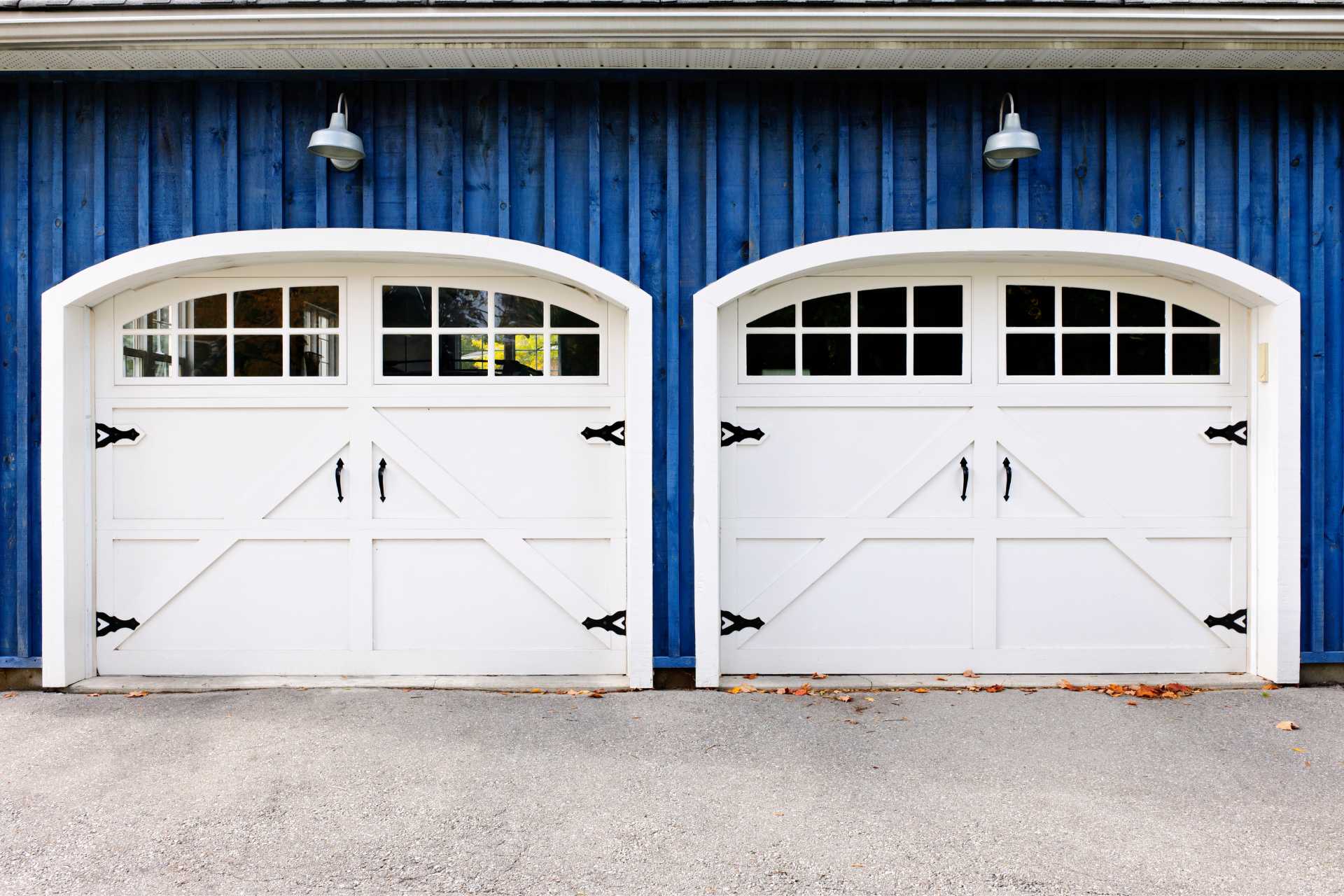
The Ultimate Garage Door Buying Guide: What You Need to Know
When it comes to enhancing the curb appeal and security of your home, selecting the right garage door is crucial. This guide will navigate you through the myriad of options available, ensuring you make an informed choice that meets both your aesthetic preferences and functional needs.
Types of Garage Doors
There are different styles of garage doors, each with its own set of advantages tailored to the specific purpose of your garage door. The purpose of your garage door influences your door choice. Here are the common types of garage doors available in the market:
Roll-up Doors: Commonly used in commercial environments, roll-up doors are built for durability and high-frequency use, comprising slats that coil around a drum above the door opening.
Slide to the Side Doors: Ideal for garages with limited vertical space, slide to the side doors operate by bending slightly at the joints and running along a track parallel to the garage wall.
Side-Hinged Doors: Emulating old carriage doors, side-hinged doors swing open from a hinged frame on either side of the opening, offering a classic look suitable for traditional or heritage-style homes.
Tilt-Up Canopy Doors: Tilt-up canopy doors pivot outwards and upwards, then slide into the garage on horizontal tracks, with a portion of the door remaining outside, forming a canopy.
Tilt-Up Retractable Doors: Similar to canopy doors but without the external protrusion, tilt-up retractable doors lift up and into the garage entirely, retracting along the ceiling to maximize space.
Material Choices
Choosing the right material for your garage door is essential as it dictates not only the aesthetic appeal but also the performance and durability of the door over its lifespan. Here's how to consider the best material for your needs:
Steel
Steel is highly valued for its strength, security, and affordability, making it a great option for many homeowners. While it resists warping and cracking and can be insulated for energy efficiency, it may corrode if not properly maintained, especially in harsh climates.
Aluminum
Aluminum provides a lightweight yet durable alternative to steel, ideal for large garage doors to ease the strain on mechanisms. It offers superior resistance to rust and corrosion, particularly beneficial in coastal regions, though it is more susceptible to dents.
Wood
Wood doors offer unparalleled aesthetic appeal and customization options, adding warmth and classic charm to any home. They require consistent maintenance like painting or staining to prevent decay and are generally more costly, not ideally suited for very humid conditions without diligent upkeep.
Fiberglass
Fiberglass doors can replicate wood's appearance without the high maintenance, resistant to denting, cracking, and rusting, making them versatile for various settings. However, they may fade in strong sunlight and become brittle in very cold weather.
Vinyl
Vinyl is renowned for its durability and low maintenance, making it perfect for busy households or those who prefer minimal upkeep. These doors are typically built with a steel frame, ensuring strength while remaining maintenance-free and unaffected by rust or dents.
Insulation and Energy Efficiency
An insulated garage door enhances your home’s energy efficiency by helping maintain temperature control in the garage. This reduces energy costs by minimizing the heat exchange with connected indoor spaces. Polystyrene and polyurethane are common insulation materials. Polystyrene is affordable but less effective, while polyurethane, offering a higher R-value, also strengthens the door and reduces noise. Choosing the right insulation is a cost-effective way to increase comfort and protect your garage contents from extreme temperatures.
Safety Features
Safety should never be compromised. Modern garage doors come equipped with auto-reverse mechanisms and motion detectors to prevent accidents. It’s also vital to have a reliable manual control and emergency release, particularly during power outages.
Aesthetic Considerations
Your garage door should complement your home’s exterior. With various colours, textures, and window options available, customizing your door to fit your home’s style is easier than ever. Don’t shy away from adding windows or choosing a bold texture to make a statement.
Technology and Innovation
The rise of smart home technology extends to garage doors. Smart models can be operated remotely via apps, integrate with your home security system, and even alert you if left open.
Maintenance and Durability
Routine maintenance such as regular inspections and lubricating moving parts can extend the life of your garage door. Understanding common issues specific to the material and type of your door can also aid in preventative maintenance.
Cost Considerations
Costs vary widely based on material, style, and insulation. Set a budget early on and consider long-term benefits like durability and energy savings when making your selection. Remember, investing in a higher-quality door can save money on repairs and replacements down the line.
Choosing the Right Vendor and Installer
Choosing a reputable vendor and installer is as important as selecting the door itself. Look for businesses with strong warranties, good reviews, and professional certification. Proper installation ensures optimal performance and safety of your garage door. Always hire a professional to install your garage door to guarantee it is installed safely and correctly.
Making the Right Choice for Your Garage Door
Selecting the right garage door is a substantial home improvement decision that affects your home's aesthetic, security, and energy efficiency. Armed with this guide, you are ready to choose a door that not only looks great but also meets your needs for years to come.

Addressing Overlooked Energy Drains in Your Home
In the quest for a more energy-efficient home, homeowners often focus on the big hitters: upgrading insulation, installing high-efficiency heating systems, and ensuring their homes are well-sealed. However, numerous smaller, often overlooked aspects contribute significantly to energy drains. This blog delves into these hidden drains on your home's energy and offers practical solutions to mitigate them, helping you save money and reduce your environmental footprint.
Identifying Overlooked Energy Drains and Addressing Them
Windows: The Silent Energy Leakers
Poorly insulated or inefficient windows can be a significant source of energy loss, affecting your home's heating and cooling costs. In winter, they allow heat to escape, while in summer, they let in unwanted heat, forcing HVAC systems to work harder. The main factors include the type of glass, single vs. double or triple glazing, and the presence of leaks around frames. Here are some solutions to this problem:
- Seal Gaps and Leaks: Applying weather stripping or caulking around window frames can prevent air leakage.
- Install Window Treatments: Heavy curtains or cellular shades can enhance insulation and minimize heat transfer.
- Upgrade Windows: Window replacement, if seen as necessary, is a practical solution to reduce energy costs. Changing from single-pane windows to double-glazed or energy-efficient ones offers better insulation.
Doors: Gateways to Energy Loss
Inefficient doors with gaps or poor seals can allow unwanted drafts into your home. These gaps, however minimal they might seem, allow drafts to enter, disturbing the controlled climate inside your home and forcing heating and cooling systems to overcompensate for the lost or gained heat. This not only leads to discomfort but also spikes in energy bills. Here are practical ways to address this issue:
- Replace Weather Stripping: Worn weather stripping should be replaced to block drafts effectively.
- Install Door Sweeps: Door sweeps can prevent drafts from sneaking in under exterior doors.
- Consider Door Replacement: Upgrading to an energy-efficient door can be a sound investment for reducing energy loss.
Insulation: The Invisible Shield
Insulation helps reduce energy costs because it makes sure the home remains warm in the winter and cool in the summer. Inadequate insulation in walls, floors, ceilings, and attics can lead to significant heat loss or gain. When insulation is inadequate—whether in walls, floors, ceilings, or attics—it compromises this barrier, allowing external weather conditions to more significantly influence the indoor climate. This not only leads to discomfort but also forces heating and cooling systems to operate more intensively, resulting in higher energy consumption and costs. Below are some suggestions to ensure that insulation is enough inside your house:
- Add Additional Insulation: Boosting insulation in key areas like attics can dramatically improve your home's energy efficiency.
- Use Insulating Paint: In older homes, insulating paint or thermal lining wallpaper can be an easy fix for improving insulation.
- Seal Ductwork: Properly sealing and insulating heating and cooling ducts can prevent energy wastage.
HVAC System: The Heart of Home Comfort
An outdated or poorly maintained HVAC system can significantly increase energy consumption. An inefficient system has to work harder and longer to achieve desired temperature settings, which not only elevates energy use but can also lead to premature wear and tear, reducing the system's lifespan. The following are a few tips for maintaining your HVAC system:
- Regular Maintenance: Annual servicing and regular filter replacements can keep your HVAC system running efficiently.
- Upgrade Your System: Investing in a high-efficiency HVAC system with a high SEER rating can reduce energy costs.
- Install Ceiling Fans: Ceiling fans help distribute air more efficiently, easing the load on your HVAC system.
Thermostat: The Control Center
Inaccurate thermostat settings or outdated models can lead to unnecessary heating or cooling. Outdated thermostats lack the precision and programmability of modern devices, often causing the HVAC system to run longer than needed or at inefficient times. To deal with this problem, the following steps could be effective:
- Install a Programmable Thermostat: Automating your heating and cooling schedule can lead to significant energy savings.
- Smart Thermostats: Upgrading to a smart thermostat offers precise control and remote adjustments, further optimizing energy use.
Air Leaks: The Silent Energy Thieves
Gaps and cracks in your home's envelope can allow conditioned air to escape, increasing energy bills. This not only results in increased energy bills due to the HVAC system having to work harder to maintain the desired indoor climate, but it also compromises the comfort of your living spaces. Common areas where leaks occur include windows, doors, attics, and places where piping and wiring penetrate walls. Sealing these leaks with caulking or weatherstripping is a cost-effective way to enhance your home’s energy efficiency. Ways to fix it include:
- Conduct an Energy Audit: Identifying air leaks through a professional audit can pinpoint areas for improvement.
- Seal Leaks: Caulking and weather-stripping are effective solutions for sealing leaks around your home.
- Address Larger Gaps: Spray foam insulation or rigid foam boards can tackle more significant leaks.
Appliances: The Hidden Energy Guzzlers
Old or inefficient appliances can consume far more energy than necessary. These include refrigerators, washers, dryers, and dishwashers that, over time, can become less effective at their jobs while consuming an excessive amount of electricity. The energy drain from using outdated appliances can lead to noticeably higher energy bills, as these machines require more power to operate than their modern, energy-efficient counterparts. Some fixes are:
- Energy-Efficient Replacements: Opt for high-efficiency appliances for your next upgrade to elevate your home’s energy conservation and savings.
- Maintain Existing Appliances: Simple maintenance, like cleaning refrigerator coils, can enhance efficiency.
- Use Appliances Wisely: Adopt habits like washing clothes in cold water to reduce energy use.
Beyond the Basics: Uncommon Tips and Tricks to Address Energy Drains
- Regular Maintenance: Keeping HVAC systems and appliances in top condition can significantly improve energy efficiency.
- Window Treatments: Curtains, blinds, and other treatments can play a crucial role in temperature control.
- Behavioural Adjustments: Small changes, such as shorter showers and adjusting thermostats, can make a big difference.
Implementing Changes and Monitoring Results
- Energy Audit: A comprehensive home energy audit can reveal specific improvement areas.
- Tracking Energy Usage: Monitoring energy use over time can help identify trends and areas for adjustment.
- Setting Goals: Establish realistic energy-saving goals based on your audit and monitoring results.
Unlocking Savings and Sustainability: Tackling Hidden Energy Drains in Your Home
Addressing the less obvious energy drains in your home can lead to substantial savings and environmental benefits. By taking a comprehensive approach, from sealing leaks to upgrading appliances, you can enhance your home's energy efficiency and comfort. We invite you to share your experiences or tips in the comments section, fostering a community of energy-conscious homeowners.
Together, let's make our homes more energy-efficient, one overlooked area at a time.