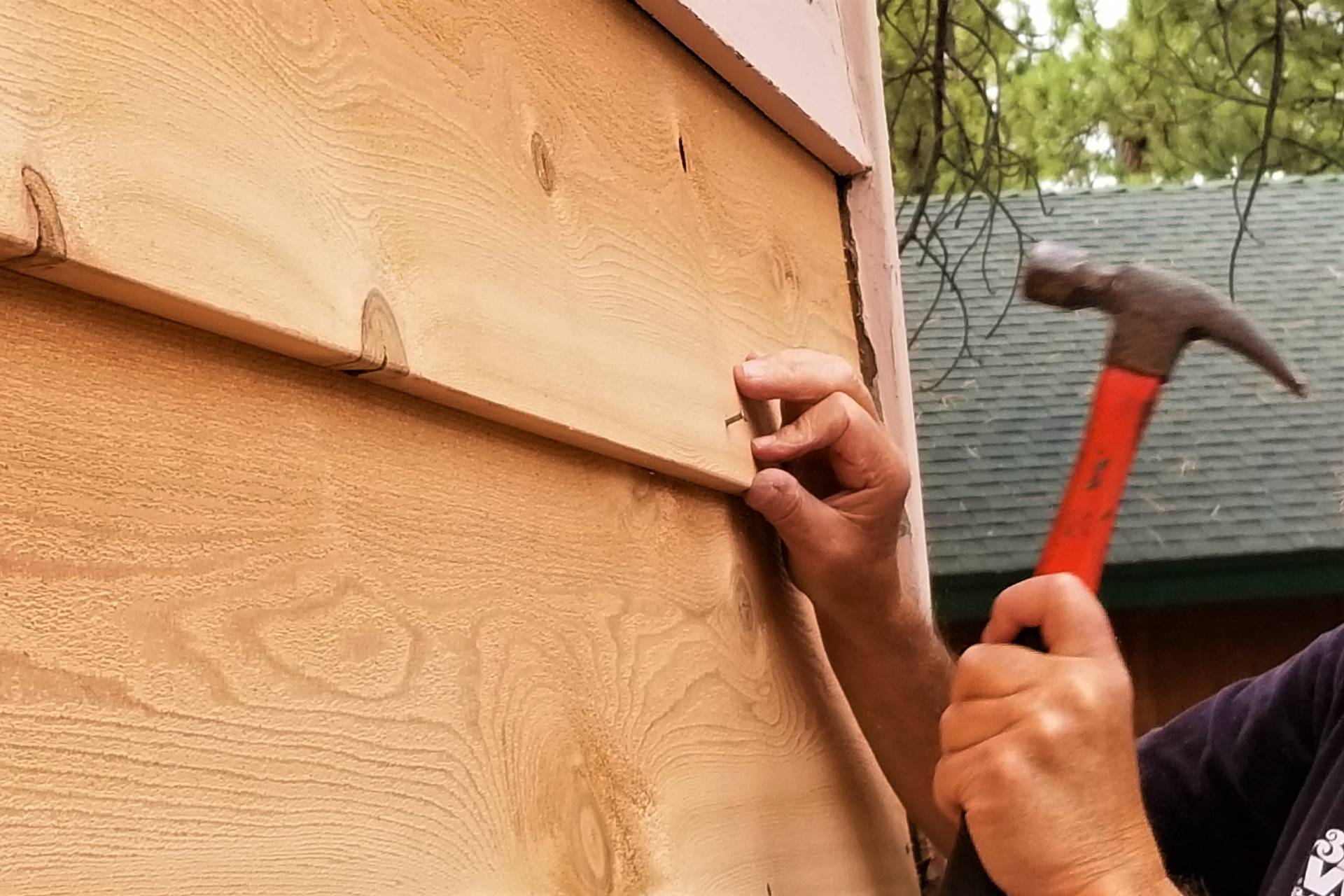
5 Signs Your House Needs a Siding Repair
In addition to improving your home’s visual appearance, siding protects the exterior walls of your home from weather and water damage as well as provides additional insulation to your home. Keeping your home’s siding well-maintained can help prevent issues, such as water damage, structural issues, mold growth, and pest infestations. As such, it is essential to perform regular inspections of your home’s siding and to promptly address any issues uncovered. Here are 5 signs that your house needs a siding repair:
1. Visible Damages
Visible damage, such as cracks, holes, or chips, on the siding is an indicator that your house’s siding may need repair. Cracks, holes, and chips in the siding create openings that allow moisture to infiltrate the underlying layers of your home’s walls, which, if unattended, can lead to water damage. These small openings can also serve as entry points for pests, like insects or rodents, into your home. If not promptly addressed, small damages can lead into more extensive and expensive issues over time. To prevent further complications, promptly addressing any visible damage on your home’s siding is important. Doing so can help maintain your home’s structural integrity as well as its visual appearance.
2. Warped or Buckled Panels
Another sign that your home’s siding needs repair is warped or buckled panels, which indicate that the siding material has gone through changes that can affect functionality, appearance, and integrity. Warped or buckled siding panels can occur due to excessive moisture or improper installation. As an effect, these irregularities create a visibly uneven surface, which can impact the overall appearance of your home. Furthermore, warped or buckled siding can create gaps or openings that allow moisture or pests to enter the layer beneath, potentially leading to structural issues, water damage, mold growth, and pest infiltration. The gaps can also affect the insulation properties of the siding, reducing energy efficiency within your home.
3. Mold and Mildew Growth
The presence of mold or mildew on or around your home’s siding is a strong indication that siding repair is needed. Mold and mildew growth thrive in moist environments and can create unsightly stains and discolorations on your home’s siding. As such, mold or mildew on siding surfaces can signal underlying moisture problems, which can lead to water damage, rot, and deterioration of the siding and, potentially, the structure. If left unchecked, mold and mildew can spread to adjacent areas and increase the scope of necessary repairs.
Mold and mildew also come with a musty odour that can permeate both the interior and exterior of your home. This can be unpleasant for your family and guests. Furthermore, mold and mildew growth poses health risks to occupants. Exposure to mold spores can lead to allergies, respiratory issues, and other health problems. To protect your family’s health, it is important to address mold growth immediately.
4. Loose or Missing Panels
Siding panels that are loose, hanging, or missing are clear indicators that siding repair is necessary. Aside from affecting the exterior appearance of your home, loose or missing panels leave the underlying structure of your home vulnerable to damage. Loose or missing panels create gaps that allow rain, wind, and other environmental elements to penetrate beneath the siding, which can lead to water damage, pest entry, mold growth, rot, and deterioration. If unattended, nearby panels can also become loose due to exposure to weather conditions, enlarging the damaged area of the siding and posing safety concerns in the surrounding area. Loose and missing siding panels can eventually weaken the structural integrity of your home. Furthermore, gaps in the siding can inadvertently allow conditioned air to escape and outdoor air to enter your home. This could decrease energy efficiency in your home and potentially increase your energy bills.
5. Increased Energy Bills
Unexplained increases in your energy bills can be a sign that the siding needs to be repaired or replaced. Since siding provides an additional layer of insulation, it can help regulate indoor temperatures in your home. If your siding is damaged, warped, or poorly sealed, it can compromise your home’s insulation and force your air conditioning or HVAC system to work harder to maintain a comfortable temperature within your home. Gaps, cracks, or loose siding panels can allow outdoor air to enter your home and indoor air to escape, creating drafts that make your home feel less comfortable. Some areas may feel cooler or warmer than others, which may lead you to adjust your thermostat more frequently. As such, if you’ve noticed sudden and unexplained spikes in your energy bills, it could be an effect of compromised siding.
If you suspect that your home’s siding might need repairs or replacement, it is a good idea to seek the services of a professional. A professional can assess the condition of your siding and recommend the appropriate repairs or replacements to keep your home protected and maintained.

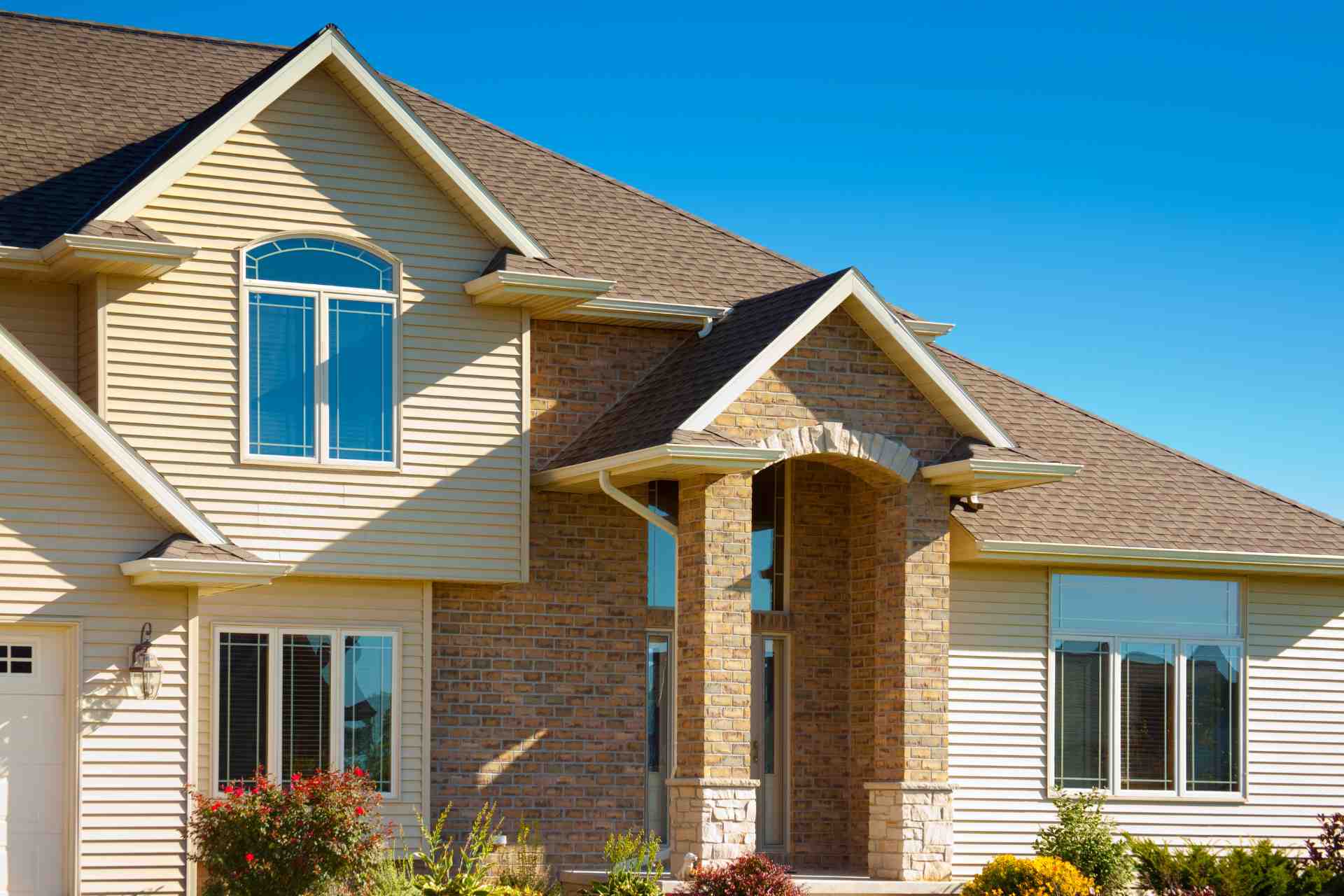
How Do You Know When It's Time To Replace Vinyl Siding?
Because of its longevity, easy maintenance, and aesthetic appeal, vinyl siding has long been a favourite option among homeowners. However, vinyl siding, like any other external material, is subject to wear and tear over time. Knowing when to replace your vinyl siding is critical to the overall integrity and beauty of your home. In this post, we will look at five crucial characteristics that can help you determine whether it's time to replace your vinyl siding.
Visible Signs of Damage
Vinyl siding, a common external cladding material, has gained popularity due to its durability and ease of upkeep. However, as time passes and exposure to the environment takes its toll, even the most durable materials can show signs of wear. The existence of apparent deterioration on the surface of vinyl siding is an undeniable indicator that it is time to replace it. This obvious damage not only detracts from the overall appeal of your property, but it can also indicate underlying problems that require rapid treatment. Vinyl siding is intended to protect your home from the elements such as rain, wind, and sunshine. It functions as a protective barrier, keeping moisture from penetrating the structure of your home and inflicting harm. When the siding gets cracked, chipped, or deformed, its capacity to provide this protective function is greatly reduced. These obvious flaws are frequently the consequence of extended exposure to harsh weather conditions or unintentional strikes. Cracks in vinyl siding are especially troublesome because they allow water and bugs to enter. Rainwater can enter these fractures, creating moisture accumulation and perhaps decay in the underlying structure. Furthermore, the freeze-thaw cycle, which is prevalent in colder locations, can aggravate cracks, making them bigger and more damaging over time. Similar dangers are posed by siding chips and holes. They cause cladding flaws that impair its integrity and enable moisture to permeate. If left untreated, these gaps can lead to water damage, mould growth, and a decline in your home's overall insulation performance.
Fading and Discolouration
Vinyl siding is popular among homes because of its durability and inexpensive upkeep. Even the most durable materials, however, are not immune to the ravages of time and weather. The appearance of fading and discoloration is one of the clear signals that it is time to replace vinyl siding. This sometimes ignored signal may have a big impact on both the aesthetic appeal and general condition of a property. Vinyl siding's initial charm stems from its rich and wide colour pallet, which readily improves a property's curb appeal. However, as the years pass and the seasons change, the brilliant colours that formerly adorned the outside might gradually fade and lose their lustre. Prolonged exposure to the sun's ultraviolet (UV) radiation is the major cause of this condition. UV rays are known for causing the chemical components in vinyl to degrade, leading it to lose its natural colour and lustre. As a result, what was once a bright appearance might deteriorate into a pale replica of its former self. The consequences of fading and discoloration go beyond simply aesthetics. While a fading façade may appear insignificant at first look, it might indicate more serious structural difficulties with the vinyl siding. The fading of the colours in the material indicates a deteriorating composition. The qualities that make vinyl siding a dependable choice will be jeopardised, like its capacity to resist moisture, defend against the elements, and keep its appearance. This exposes the siding to a variety of possible issues, including cracking, warping, and even moisture intrusion, which may lead to mould development and more serious structural damage.
Increased Maintenance Efforts
Vinyl siding has long been favoured by homeowners because to its longevity, minimal maintenance requirements, and ability to improve the visual appeal of a property. However, vinyl siding, like any other external material, is not impenetrable to the ravages of time and the environment. Various causes can cause vinyl siding to wear and deteriorate over time, necessitating replacement. Increased maintenance efforts are one of the leading symptoms that it is time to consider upgrading your vinyl siding. Vinyl siding is well-known for its ability to withstand the wear and strain associated with older materials such as wood or brick. This trait is attributable, in part, to its capacity to efficiently repel moisture, severe weather conditions, and insects. As a result, vinyl siding often requires little upkeep to stay in good shape. However, as the siding ages, its resistance to these variables might deteriorate, resulting in an increase in the amount of maintenance necessary. When homeowners devote more time, energy, and resources to maintaining their vinyl siding, it is a warning sign that the material is nearing the end of its usable life. The initial convenience of maintaining vinyl siding can quickly turn into a challenging and time-consuming endeavour. Power washing, repainting, and repairs on a regular basis can become the norm, detracting from the ease that vinyl siding is known for. The causes for increasing maintenance activities are several. As vinyl siding ages, it becomes more prone to cracking, peeling, and warping, which can allow moisture to enter. This moisture can cause mould and mildew growth, which not only degrades the look of the siding but also poses health hazards to the residents. Furthermore, colour loss caused by prolonged sun exposure may demand repainting or other restorative work to retain the home's visual appeal.
High Energy Bills
Vinyl siding has long been a popular choice among homeowners because to its durability and low-maintenance features. Even the most durable materials can succumb to the ravages of time and weather over time. Vinyl siding degradation can undermine its insulating characteristics, resulting in greater heat transmission between the inside and outside of your home. This phenomena can cause temperature variations within the home, causing the heating and cooling systems to work overtime to maintain a pleasant interior atmosphere. As energy prices continue to climb, more homeowners are looking for methods to enhance the energy efficiency of their houses. It's critical to understand that the quality of your vinyl siding is critical in this endeavour. When vinyl siding loses its insulating characteristics, heat escapes in the winter and enters in the summer. Because of the poor insulation, your heating and cooling systems must function more often and over longer periods of time, spending more energy. The ensuing increase in energy expenditures demonstrates the domino effect of inefficient vinyl siding. Homeowners who are accustomed to a specific level of energy consumption may be surprised by abrupt increases in their bills. It's easy for people to ascribe this rise simply to rising energy costs or changes in weather patterns, ignoring the possible involvement of decaying vinyl siding in the equation. The link between high energy costs and worn-out vinyl siding goes beyond mere conjecture. According to studies, energy-efficient homes with well-maintained and insulated exterior materials use less energy for heating and cooling. Homeowners may efficiently improve their home's thermal envelope by replacing old, worn vinyl siding with newer, energy-efficient options, minimising the need for unnecessary heating or cooling. As a result, the indoor temperature is more steady, resulting in decreased energy expenses.
Mold, Mildew or Rot
Mould and mildew, those persistent decay agents, flourish in moist and humid conditions. Mould and mildew are likely to have taken up home on your vinyl siding if you notice the appearance of black blotches, fuzzy growth, or a musty odour. This is more than just an eyesore; it indicates that your siding has become a breeding ground for moisture. When properly maintained, vinyl siding acts as an efficient barrier against moisture intrusion. However, when the siding ages and deteriorates, fractures, gaps, and failed seals can form, enabling moisture to enter beneath the surface. Mould and mildew are unmistakable signals that this barrier has been damaged and must be replaced to prevent additional moisture-related mayhem. Rot, a more severe result of prolonged moisture exposure, is another unmistakable sign that your vinyl siding needs to be replaced. Water may saturate the underlying wooden components of your home as it infiltrates the cracks and crevices, producing a breeding environment for fungus and bacteria that cause decay. Rot is a destructive force that, if left uncontrolled, will eat away at the structural integrity of your home and cause irreversible damage. Rot on your vinyl siding or surrounding structures is a clear indication that the siding's capacity to protect your home from water penetration has been significantly impaired. In such circumstances, replacement is required to prevent additional damage and to restore the protective barrier that your property requires. Replacing vinyl siding due to mould, mildew, and decay issues not only solves cosmetic concerns but also protects your home's health. Mould and mildew can cause allergies and respiratory difficulties, while rot erodes the structure of your home. Neglecting these indicators jeopardises not just the structural integrity of your house, but also the health and well-being of individuals who live there. Recognising mould, mildew, and rot as signs of deterioration empowers you to take preventive interventions that go beyond cosmetic improvements.
With all that being said, knowing when to replace your vinyl siding is critical to preserving the aesthetic, structural integrity, and energy efficiency of your home. Visible deterioration, fading and discoloration, greater maintenance efforts, higher energy costs, and the development of mould, mildew, or decay are all signs that your vinyl siding has outlived its usable life. By paying attention to these indicators, you can make educated decisions about whether to replace your vinyl siding, assuring your home's continuous safety and beauty for years to come.

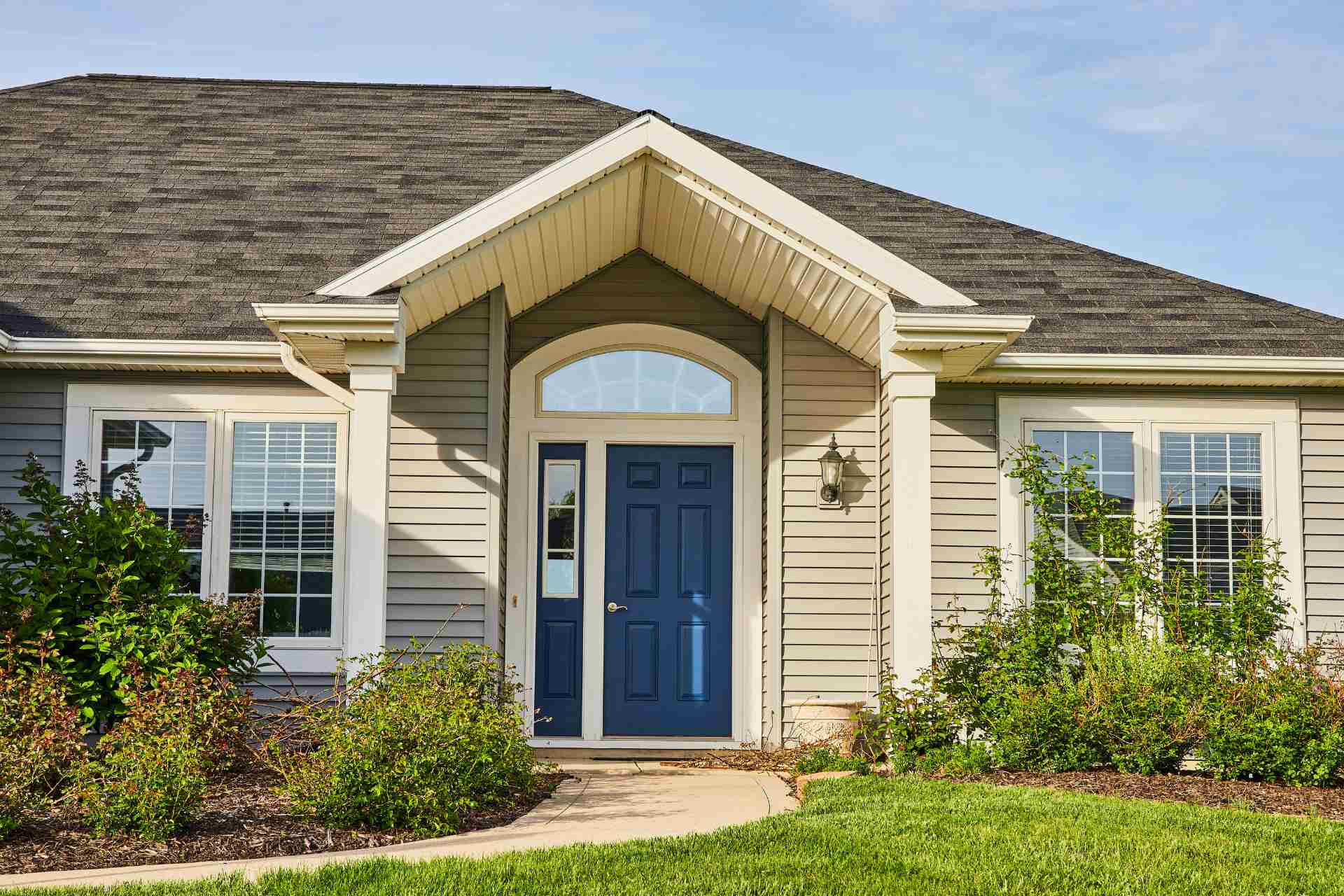
5 Important Considerations for When Replacing Your Siding
Replacing your home's siding is a major project that demands considerable thought and preparation. The siding not only protects your property from the weather, but it also contributes to its overall visual appeal. Several key considerations must be made to achieve a successful siding replacement process. The following information focuses on five essential elements that homeowners should consider when upgrading their siding: material selection, cost, durability, maintenance needs, and energy efficiency.
1. Material Selection
When it comes to changing your siding, the choice of materials is an important factor that should not be disregarded. The siding material you choose has a considerable influence on your home's overall performance, longevity, maintenance requirements, and aesthetic appeal. As a result, taking the time to properly consider several possibilities is critical in making an informed selection. Durability is an important issue to consider when choosing a siding material. The resilience of various materials to endure the weather and the test of time varies. Vinyl siding, for example, is noted for its longevity since it is resistant to rotting, cracking, and insect infestation. Wood siding, on the other hand, although providing a timeless and natural appeal, takes more upkeep to preserve it from dampness and decay. Understanding the durability of various materials allows you to select one that is appropriate for the unique conditions and environment in your location. Another critical factor to consider is the siding material's upkeep requirements. Some materials, such as vinyl and fibre cement, are low-maintenance and simply require spot cleaning on occasion. Colour is typically integrated into these materials, eliminating the need for repainting. Wood siding, on the other hand, requires regular care, such as painting or staining, to keep it protected from the weather. You may choose a siding material that fits your lifestyle and interests by assessing the amount of time, work, and expense necessary in maintaining it. Aesthetics play a crucial impact in your home's overall curb appeal. The siding material you select should suit your home's architectural style and design. Materials come in a variety of finishes, textures, and colours, allowing you to obtain the desired look and feel. Whether you prefer the timeless appeal of wood siding or the sleek appearance of vinyl or fibre cement, choosing a material that enhances the visual appeal of your house is critical for creating a unified and appealing exterior.
2. Cost
When it comes to repairing your home's siding, money is certainly an important factor to consider. The financial factor is critical in deciding the project's feasibility and overall success. Before making a selection, homeowners should thoroughly examine their budget and consider several cost-related issues. First and foremost, a reasonable budget for siding replacement must be established. Setting a budget allows homeowners to reduce their selections and focus on products and installation services that are within their budget. Individuals may prevent overpaying or being caught off guard by unanticipated expenditures during the project by creating a budget from the start. The cost of various siding materials varies. Vinyl siding, for example, is well-known for being one of the most cost-effective solutions on the market. It is a cost-effective alternative that does not sacrifice durability or beauty. Premium materials, on the other hand, such as fibre cement or natural wood siding, might be more expensive due to their higher-quality composition and improved visual appeal. While these materials may be more expensive up front, they frequently last longer and require fewer repairs or replacements in the long term. Aside from the initial purchase in supplies, homeowners also need to consider installation fees. Hiring expert contractors is a popular option for ensuring correct installation and reducing the possibility of mistakes or damage. It is, nevertheless, critical to receive numerous bids from trustworthy contractors and compare their prices. While it may be tempting to go with the lowest quote, it is also crucial to examine the quality of craftsmanship and the contractor's reputation to avoid future problems. It is also critical to consider the long-term expenses of maintenance and repairs. Some siding materials need routine maintenance, such as painting or staining, to maintain their look and protect against deterioration. Homeowners should assess how much time, effort, and money they are prepared to devote in maintaining the siding material they have chosen. Low-maintenance materials, such as vinyl or fibre cement, can save money in the long term since they require little care and are less prone to damage from weather or pests.
3. Durability
When it comes to changing your siding, durability is crucial since it directly influences the lifetime and general function of your home's exterior. The siding acts as a barrier against the elements, protecting your home from moisture, wind, and other possible harm. As a result, choosing a long-lasting siding material is critical for maintaining the structural integrity and cosmetic appeal of your home. One of the most important components of durability is the siding material's capacity to tolerate local climatic conditions. Weather patterns vary by region, including severe temperatures, heavy precipitation, strong winds, and lengthy exposure to sunshine. It is critical to select a siding material that will withstand these environmental variables without deterioration or loss of functionality. Siding materials that resist moisture are very desirable in locations with high humidity or regular rain. Moisture resistance keeps the siding from absorbing water and causing damage, warping, or mould growth. Certain materials, such as vinyl and fibre cement, have high moisture resistance, making them ideal for humid climates. Furthermore, the capacity of a siding material to endure impact and physical damage is strongly related to its durability. Severe weather occurrences, such as storms or hailstorms, might jeopardise the integrity of your siding. Choosing impact-resistant materials, such as fibre cement or metal, can help decrease the danger of damage and the need for frequent repairs or replacements. The lifespan of the siding material is also a significant consideration in terms of durability. Some materials, such as vinyl or fibre cement, are noted for their durability and may last for decades with adequate upkeep. Other materials, such as wood, on the other hand, may require more regular maintenance and replacement due to their inherent susceptibility to decay, insects, or warping. It is critical to consider the lifespan of the siding material to guarantee that your investment gives value over time.
4. Maintenance Requirements
When planning a siding replacement job for your house, one important element to consider is the care needs of the chosen siding type. The amount of upkeep required by your siding will have a considerable influence on your time, effort, and overall happiness with the appearance and condition of your home's exterior. Understanding and choosing a siding material that matches your maintenance preferences and capabilities is critical to a successful and trouble-free siding replacement. Different siding materials have different maintenance requirements, and it is critical to consider these before making a purchase. Let us look at why upkeep is an important factor to consider while changing your siding. To begin, the maintenance requirements of your siding material will have a direct influence on the time and work required to maintain it. Some materials, such as vinyl and fibre cement, are noted for their low maintenance. They normally require just little cleaning and checking for damage or wear on a regular basis. These materials are often resistant to decay, fading, cracking, and insect infestation, requiring fewer repairs or replacements. Choosing a low-maintenance siding material can save you time and enable you to concentrate on other elements of homeownership. Certain siding materials, such as wood, require more frequent and thorough upkeep to retain their beauty and defend against possible concerns. To keep its natural beauty and protect it from dampness, insects, and degradation, wood siding often requires periodic painting, staining, or sealing. Ignoring or disregarding wood siding upkeep can cause it to deteriorate, jeopardising the general integrity and attractiveness of your home's exterior. Before selecting a siding material, consider your desire and capacity to devote the necessary time and effort to upkeep activities.
5. Energy Efficiency
Energy-efficient siding functions as a barrier between your home's outside and inside, providing insulation that aids in temperature regulation. It reduces the pressure on your heating and cooling systems by preventing the loss of conditioned air during hot summers and chilly winters. Insulated siding, in example, is constructed with extra layers or backing to increase thermal efficiency, minimising heat transmission and increasing total insulation levels. This, in turn, results in a more pleasant living environment and lower energy use. Homeowners may drastically reduce their heating and cooling expenditures by investing in energy-efficient siding. The siding's better insulation capabilities aid in the maintenance of a stable inside temperature, eliminating the need for excessive heating or cooling. This results in lower energy use and considerable savings on electricity costs. These savings can more than equal the original investment in energy-efficient siding, making it a more cost-effective choice in the long term. Energy efficiency and environmental sustainability go hand in hand. Energy-efficient siding contributes to a smaller carbon footprint and helps battle climate change by decreasing energy use. It reduces dependency on fossil fuels for heating and cooling, which contribute significantly to greenhouse gas emissions. Homeowners may help the environment and create a greener future by selecting siding materials with strong insulating capabilities and sustainable production procedures.
Replacing your home's siding is a substantial expenditure that necessitates careful consideration of various variables. Homeowners may make educated judgments that suit their preferences and budget by weighing material possibilities, cost, durability, maintenance needs, and energy efficiency. Engaging experienced contractors or seeking expert guidance may also give useful information and guarantee a successful siding replacement project. Taking the time to examine these critical variables will result in a long-lasting, visually beautiful, and energy-efficient exterior for your house.
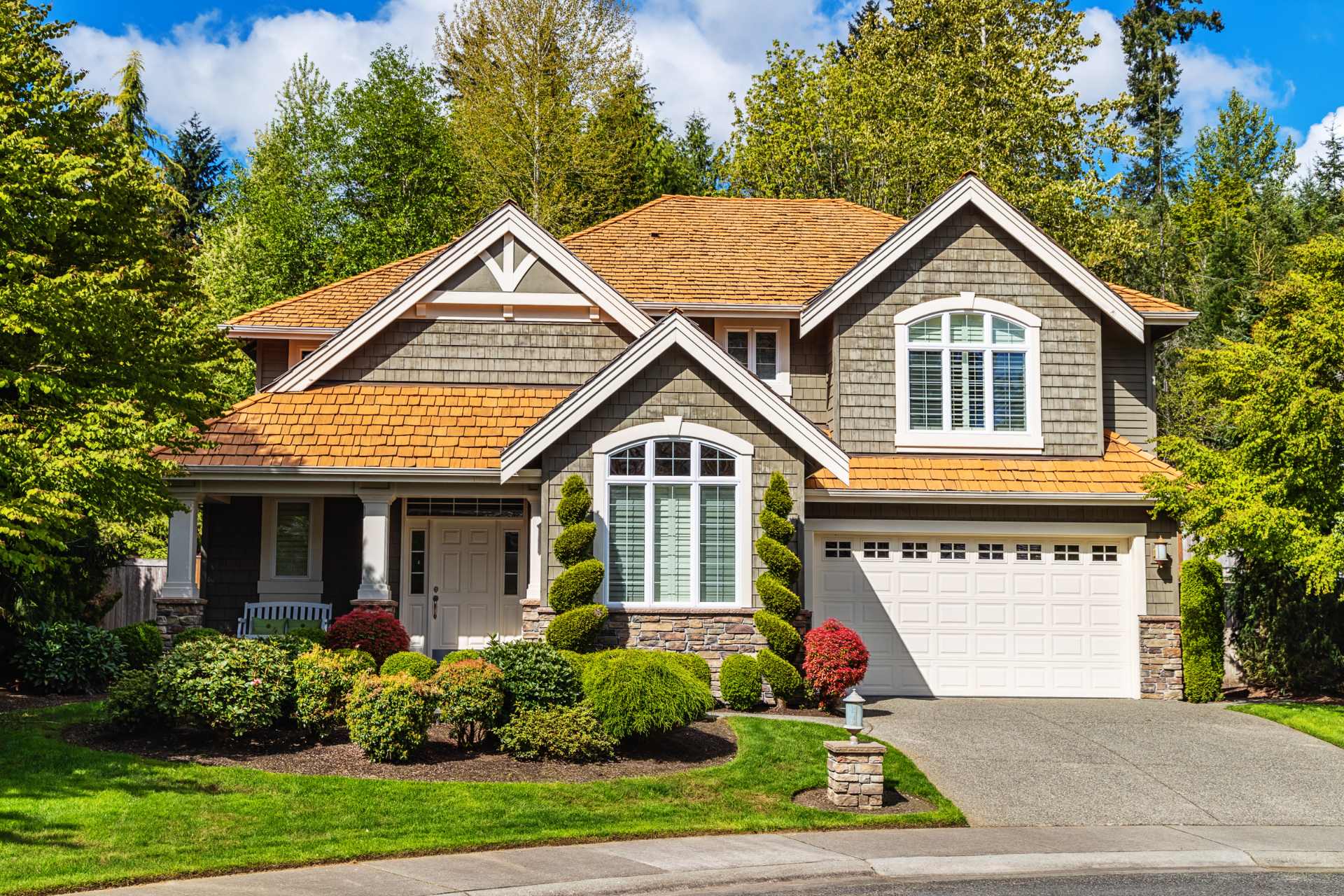
5 Unique Siding Design Ideas to Make Your Home Stand Out
When it comes to house design, the outside makes a big difference in making a good first impression. While many homeowners concentrate on landscape and architectural aspects, siding design should not be disregarded. The siding not only protects your property from the weather, but it also allows you to express your particular style. Here are five distinctive siding design ideas that will certainly attract attention if you want to make your home stand out.
1. Mixed Material Facade
The use of a mixed material facade is one of the most unusual siding design ideas that may make your house truly stand out. This one-of-a-kind strategy entails blending two or more elements, such as wood, stone, metal, or fibre cement, to produce an aesthetically appealing and modern façade. The mixed material facade allows homeowners to express their creativity and personal taste while creating a statement. You may generate a harmonic combination of opposing textures, colours, and finishes by combining different materials, resulting in a visually interesting and multifaceted design for your house. One of the primary benefits of a mixed material facade is the additional depth and visual interest it adds to the façade. Instead of depending on a single material, which might look flat and repetitive at times, a variety of materials produces a dynamic and interesting exterior. Combining wood panels with sleek metal cladding, for example, may create a powerful contrast between the warm, organic essence of wood and the cold, contemporary appeal of metal. One of the primary benefits of a mixed material facade is the additional depth and visual interest it adds to the façade. Instead of depending on a single material, which might look flat and repetitive at times, a variety of materials produces a dynamic and interesting exterior. Combining wood panels with sleek metal cladding, for example, may create a powerful contrast between the warm, organic essence of wood and the cold, contemporary appeal of metal. Furthermore, a mixed-material facade provides resilience and endurance. Each material has its own set of advantages, such as the natural beauty of wood, the durability of stone, or the resilience of metal. You can profit from their particular strengths while limiting any shortcomings by mixing these elements. This guarantees that the exterior of your property is not only physically stunning, but also well-protected from the weather for many years to come. A mixed material facade adds to the total value of your property in addition to its visual appeal and functional benefits. The design's uniqueness and attention to detail might make your house more desirable to potential purchasers. It distinguishes your property from others on the market, making it a standout choice for individuals looking for something really one-of-a-kind.
2. Vertical Siding
First and foremost, vertical siding has a particular aesthetic impact that distinguishes it from traditional horizontal siding. Vertical siding adds a feeling of height and verticality to your property, whereas horizontal siding is linear and uncomplicated. This architectural option may make your property look higher, giving the appearance of grandeur and refinement. The vertical lines lead the eye higher, giving the facade energy and dynamism.
Vertical siding works especially well with modern and contemporary architecture designs. Its sleek look and clean lines suit the minimalistic and angular designs that are commonly associated with these genres. By adding vertical siding onto the outside of your house, you may improve its overall beauty and create a consistent look that matches your own style. Another advantage of vertical siding is its material adaptability. Vertical siding may be adapted to numerous materials, allowing you to select the one that best meets your preferences and budget, whether you prefer the natural warmth of wood, the durability of fibre cement, or the sleekness of metal. This material option versatility guarantees that you may obtain the ideal appearance and feel for your home's exterior while still reaping the benefits of vertical siding. Vertical siding also allows for more flexibility and customisation. To produce a visually intriguing pattern, experiment with different panel widths, alternating between wide and narrow areas. You may also experiment with different colour choices to accentuate the distinct charm of vertical siding. The choices are unlimited, whether you pick a monochromatic palette for a delicate and sophisticated aesthetic or clashing colours to create a bigger statement. Finally, vertical siding is not only attractive but also useful. It provides exceptional weather protection, sheltering your home from rain, snow, and wind. The vertical arrangement promotes effective water drainage, lowering the danger of moisture-related concerns like rot or mould. Vertical siding is a practical alternative that blends design and usefulness due to its longevity and practicality.
3. Geometric Patterns
One of the primary benefits of adopting geometric patterns is the ability to make a dramatic and creative statement. These designs may be customised to fit your specific style and taste, letting you let your imagination run wild and create your house really one-of-a-kind. Geometric patterns, whether diagonal lines, chevron patterns, or more elaborate symmetrical designs, provide limitless options for transforming your house into a piece of art. Geometric patterns are ideal for current or modern architecture types. These designs value clean lines and elegant aesthetics, and geometric patterns complement this design philosophy nicely. By adding geometric patterns into your siding, you may improve the overall modern feel of your home while also creating a visually appealing and compelling aesthetic. Geometric patterns may also provide depth and aesthetic appeal to an otherwise plain façade. The use of strong lines and forms may give the illusion of movement and texture, making your house look lively and interesting. Whether it's a single conspicuous geometric pattern or a collection of multiple smaller ones, the end effect is a visually engaging design that catches the eye and makes an impression. Another benefit of using geometric patterns into your siding design is their adaptability. They may be used in a variety of siding materials, such as wood, fibre cement, metal, and even vinyl. This versatility allows you to select the material that best matches your preferences and budget while still creating a distinctive and eye-catching aesthetic for your house. When employing geometric patterns, it's crucial to achieve a balance and make sure the patterns fit your home's architectural style. To prevent overpowering the overall design, the magnitude and intricacy of the patterns should be carefully examined. You may achieve a seamless balance of geometric patterns and existing architectural components in your home by working with a professional designer or architect.
4. Reclaimed Wood
Reclaimed wood siding is made from wood recovered from ancient barns, factories, and warehouses, as well as submerged logs from rivers and lakes. Reclaimed wood, rather than contributing to deforestation by utilising new timber, provides new life to timbers that would otherwise go to waste. Repurposing these materials not only saves natural resources but also reduces the carbon footprint associated with the manufacturing and shipping of new wood. One of the most appealing characteristics of salvaged wood is its unique and worn look. Each piece bears the signs of its past existence, with knots, fractures, and distinct grain patterns that tell its own tale. These flaws give your house a rustic charm and character, producing a feeling of antiquity and authenticity that is difficult to reproduce with fresh materials. These small features, such as a faded paint finish, rough saw marks, or even old nail holes, contribute to the overall look and make your property truly stand out. Furthermore, the use of recycled wood siding provides flexibility and personalization. You may select the sort of wood that best meets your design preferences and the architectural style of your home from a broad range of wood species available, such as oak, pine, chestnut, or cedar. Each wood species has its own specific qualities, such as rich colour variations or different grain patterns, allowing you to build siding that is as unique as your home. Furthermore, reclaimed wood has a timeless charm that transcends fashion and fads. Its enduring beauty and traditional appearance ensure that your property will be aesthetically appealing for many years to come. Reclaimed wood siding compliments any architectural form, giving warmth, texture, and visual appeal to your façade, whether your home is classic, farmhouse, or modern. In terms of upkeep, reclaimed wood siding takes some attention to preserve its life and attractiveness. Regular cleaning, sealing, and inspections are required to keep the wood safe from moisture, insects, and the environment. However, because of its natural durability and strength, recovered wood is a suitable alternative for long-term usage.
5. Colour Contrast
Colour contrast in siding design refers to the use of two or more colours that are noticeably different from one another. Instead of using a single colour for your siding, choose contrasting tones to create a dynamic and unique effect. Finding the correct balance and harmony between the chosen colours, ensuring they compliment each other and the overall style of your house, is the key to successful colour contrast. Colour contrast may be achieved by combining a neutral tone with a vivid colour. Combining a pristine white siding with a vibrant red or a deep blue, for example, may provide a striking and eye-catching impact. The neutral colour serves as a clean, timeless backdrop, while the lively colour offers a burst of vitality and excitement. This contrast not only grabs the eye, but it also lends depth and character to the façade of your home. Colour contrast may also be achieved by contrasting light and dark colours. Combining light grey siding with rich, dark brown accents, for example, may produce a classy and beautiful aesthetic. The contrast between light and dark tones produces aesthetic appeal and balance. This method works especially well for homes with intricate architectural elements since the contrasting colours accentuate the distinctive characteristics and provide depth to the overall design. When introducing colour contrast into your siding design, keep your home's architectural style and the neighbourhood's current colour scheme in mind. While you want your house to stand out, it should also blend in with its surroundings to preserve a unified look. Look for colours that match your home's architectural characteristics and think about the overall ambience you want to create. Colour contrast is a unique siding design concept since it allows you to express yourself and create a powerful statement. It provides an opportunity to inject individuality and originality into the outside of your home, converting it from ordinary to remarkable. The choices are unlimited, whether you choose a vivid and aggressive colour combination or a delicate and refined contrast. Colour contrast in siding design provides functional benefits in addition to its cosmetic effect. Contrasting colours may help define distinct regions of your house, highlight architectural details, and create a unified design plan that connects all the aspects. It may also change the perspective of your home's size and design, making it look bigger or more streamlined depending on the colour palette you choose.
In conclusion, the siding design of your home allows you to express your personality and leave a lasting impact. You may transform the outside of your house by adding these five distinct ideas: mixed material facade, vertical siding, geometric patterns, salvaged wood, and colour contrast. Remember to consider the architectural style of your house, your own tastes, and the general aesthetic of your neighbourhood. With these innovative siding design ideas, your home will stand out and become the envy of the neighbourhood.
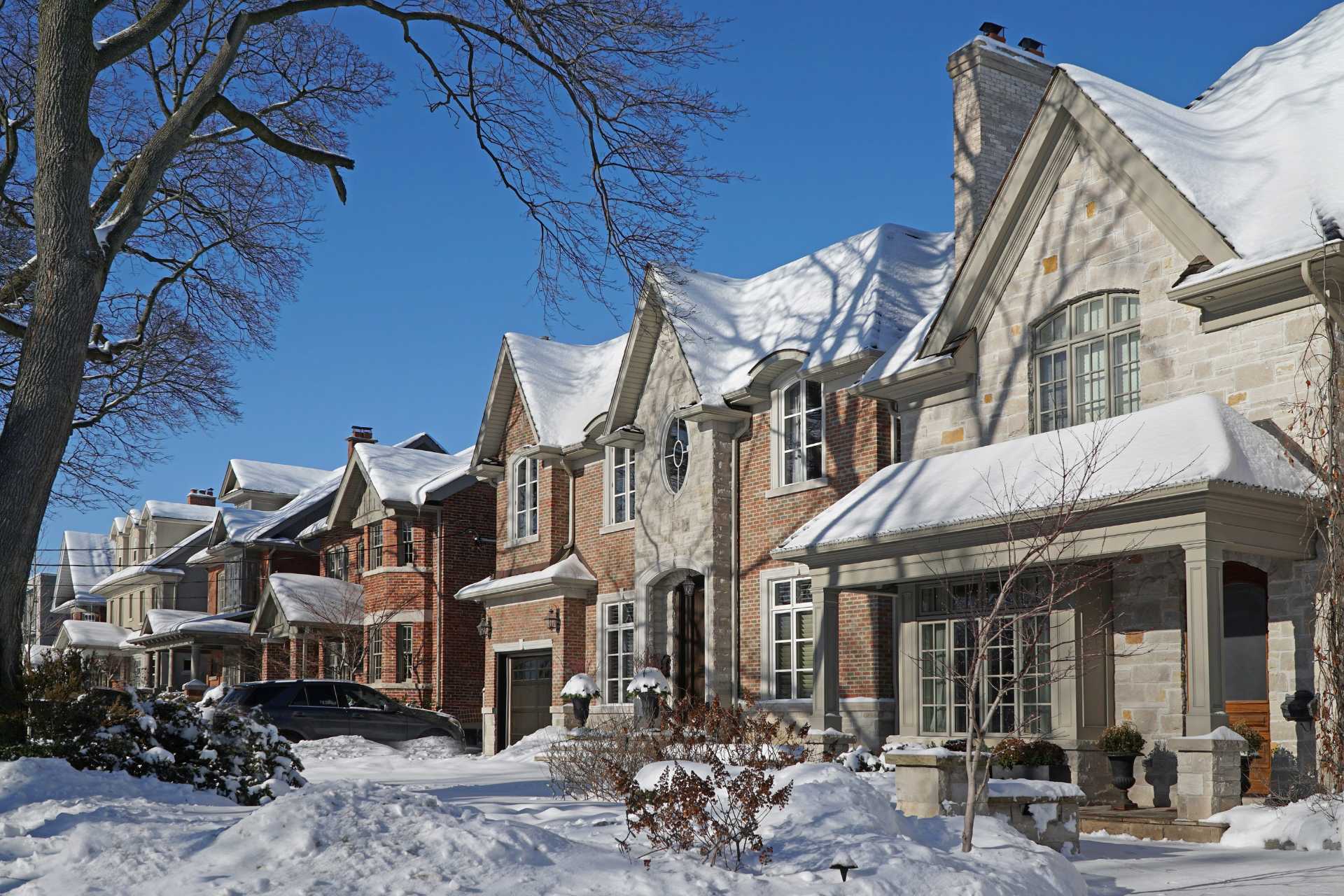
5 Tips For Protecting Your Home From Freezing Temperatures (and Keep Your Family Cozy)
Canada's Winter season is wonderful, with beautiful white snow paired with nice, cold weather conditions. However, with that being said, the winter season increases the likelihood of freezing temperatures and other severe weather that are not comfortable and can harm a person's living space. Neglecting your property throughout the winter can have serious repercussions, such as pipe break or roof damage. These types of damages are hard to fix during the winter time, as it can potentially be damaged again due to the weather conditions. Having said that, here are five suggestions to help you keep your house safe and cosy while protecting it from the cold weather.
1. Insulate Your Home
A critical first step in defending your property against the damaging impacts of frigid weather is insulation. Insulation serves as a barrier, preventing heat from escaping from your home and preventing heat gain. Insulating your home will protect it from the destructive impacts of frigid temperatures while also increasing its energy efficiency. Sealing any air leaks should be one of your home's main insulation priorities. These can be found near windows, doors, and electrical outlets and cause considerable heat loss. You may stop these air leaks and lessen the amount of heat that escapes from your house by applying weather stripping or caulking. This not only increases the energy efficiency of your home but also helps to keep it warm and cosy throughout the colder months. Making sure that your walls and attic are adequately insulated is another crucial part of insulating your house. Heat rises, and if the attic is not appropriately insulated, heat can escape through the roof. This makes attic insulation extremely crucial. Your home's overall energy efficiency may be increased by decreasing heat loss by installing more insulation to the attic. Insulating your home not only makes it more energy-efficient but also prevents your pipes from freezing. In cold weather, pipes are prone to freezing, which can cause them to break and seriously harm your property. Your house will stay secure and functioning if you insulate your pipes to keep them from freezing and causing damage. And lastly, insulating your house might aid in lowering your heating expenses. You may minimise your energy costs and reduce monthly spending by retaining heat in your house and minimising heat loss. This helps to increase the cost-effectiveness of your house while also making it cosier and more inviting to live in.
2. Maintain Your Heating System
As a homeowner, you wouldn't want your heating system to fail on one of the coldest days of the year during the severe winter months. Maintaining your heating system and making sure it's in excellent operating condition are essential if you want to keep your house from freezing in the winter. Failure to do so might result in expensive repairs and perhaps more serious harm to your house. Having your heating system regularly maintained is one of the best methods to shield your home from frigid weather. A professional should do a complete examination as part of this so they can look for wear and tear and make any repairs that are required. This can assist you in preventing any failures and ensuring that your system is operating properly and efficiently. Making sure the heating system is operating at its best is a crucial component of heating system maintenance, as well. This involves checking for any air leaks in the ductwork, changing or cleaning the air filters, and making sure the system is suited correctly for your house. Your heating system will consume more energy if it is not operating at its most effective level, which might lead to greater heating costs and more system wear and tear. Additionally, it's crucial to examine the security components of your heating system, such as the carbon monoxide and fire alarms. In an emergency, these characteristics can assist to keep you and your family safe and avert any possible catastrophes. Finally, it's critical to take fast action if you detect any indications that your heating system needs repair, such odd noises, elevated energy bills, or inconsistent heating. Ignoring them may eventually lead to more serious damage and more expensive repairs.
3. Protect your Pipes
It is crucial to make sure that your pipes are protected from freezing temperatures as winter approaches. Your home might sustain serious harm from frozen pipes, including floods and broken pipes. You must take the appropriate precautions to safeguard your pipes from the cold weather in order to avoid such disastrous disasters. Insulating your pipes is one of the best methods to safeguard them. This entails wrapping the pipes with materials that will trap the heat, such as foam, fibreglass, or other materials. Pipes are less prone to freeze because insulation helps to maintain the internal temperature. Additionally, insulated pipes will lessen the amount of heat lost, resulting in a home that uses less energy. Maintaining the warmth of your pipes is another crucial safeguard. You may do this by keeping the heat on while you are away from home. You may also let warm air flow around the pipes by opening the cupboards and doors under the sink. Keep the vents open if you have a crawl space so that air may flow through. Keeping your pipes from being exposed to severely cold temperatures is also vital. For instance, pipes in unheated spaces like basements, attics, or garages are more prone to freezing. You can attach heating tapes or cables around the pipes to avoid this. These appliances create heat using energy, which keeps the pipes from freezing.
4. Keep Your Roof Clear
Throughout the winter, it is crucial to take precautions to safeguard your property from the elements, particularly cold temperatures. The roof should receive special attention since it protects your house from the cold and snow. Snow and ice buildup on your roof can contribute to house damage prevention, increased energy efficiency, and peace of mind. Maintaining a clean roof has several advantages, but one of the most important is that it stops ice dams from forming. When snow on the roof melts and then refreezes, it forms an obstruction known as an ice dam that stops water from draining off the roof. Water can leak through the roof when the snow and ice build up, harming the structure, insulation, and ceilings. By routinely clearing snow and ice from your roof, you may lessen the chance that ice dams will form and your property will sustain damage. Better energy efficiency is an advantage of maintaining a clean roof. Your roof's accumulation of snow and ice acts as an insulating barrier, trapping heat inside your house. Your heating system may have to work more to maintain a comfortable temperature as a result, increasing your energy expenses and lowering its efficiency. You may lessen the amount of heat that is trapped inside your home and increase the effectiveness of your heating system by maintaining a clean roof. Furthermore, the ultimate benefit of maintaining a clean roof during the winter is peace of mind. You'll feel more confident to handle the chilly winter weather knowing that your roof is shielded from the conditions that come with the season. Your home will stay secure and protected throughout the winter if you regularly remove snow and ice from your roof. You can also further reassure your home’s security by investing in a metal roofing system.
5. Create an Emergency Kit
As winter approaches in full force, it is crucial to be ready for any crises that can occur. Making an emergency pack that will keep you and your house safe during the winter is one approach to do this. An emergency kit that is well-stocked may provide you peace of mind and guarantee that you are ready to tackle any catastrophe that may happen. Making an emergency kit is important for a variety of reasons, but one of the main ones is to have access to supplies in case of power outages. Widespread power outages that might persist for several hours or even days can be brought on by winter weather conditions like a lot of snow and ice. Having a well-stocked emergency kit can provide you access to the non-perishable food, water, flashlights, and additional batteries you'll need to live. Being ready for winter weather is a key factor in the decision to put together an emergency pack. Road closures, travel delays, and hazardous driving conditions can all be brought on by winter storms. When a winter storm is approaching, having an emergency kit with supplies like a shovel, warm clothes, and road salt will help you and your house stay safe and secure. A first aid kit should be included in your emergency pack as well. Having a first aid kit on hand will help you respond swiftly to any situations that may arise since winter weather conditions might result in an increase in accidents and injuries. Basic first aid materials including bandages, gauze, and painkillers should be included in this pack.
Although Canada’s winter season is an enjoyable time of the year, it does come with harsh weather conditions that can potentially damage your home. There are many ways that you can protect your home from freezing weather, and they include insulating your home, maintaining your heating system, protecting your pipes, keeping your roof clear and creating an emergency kit. By making sure that you do these actions routinely, you are reassuring that you, your family and your home will all be safe during this winter season.
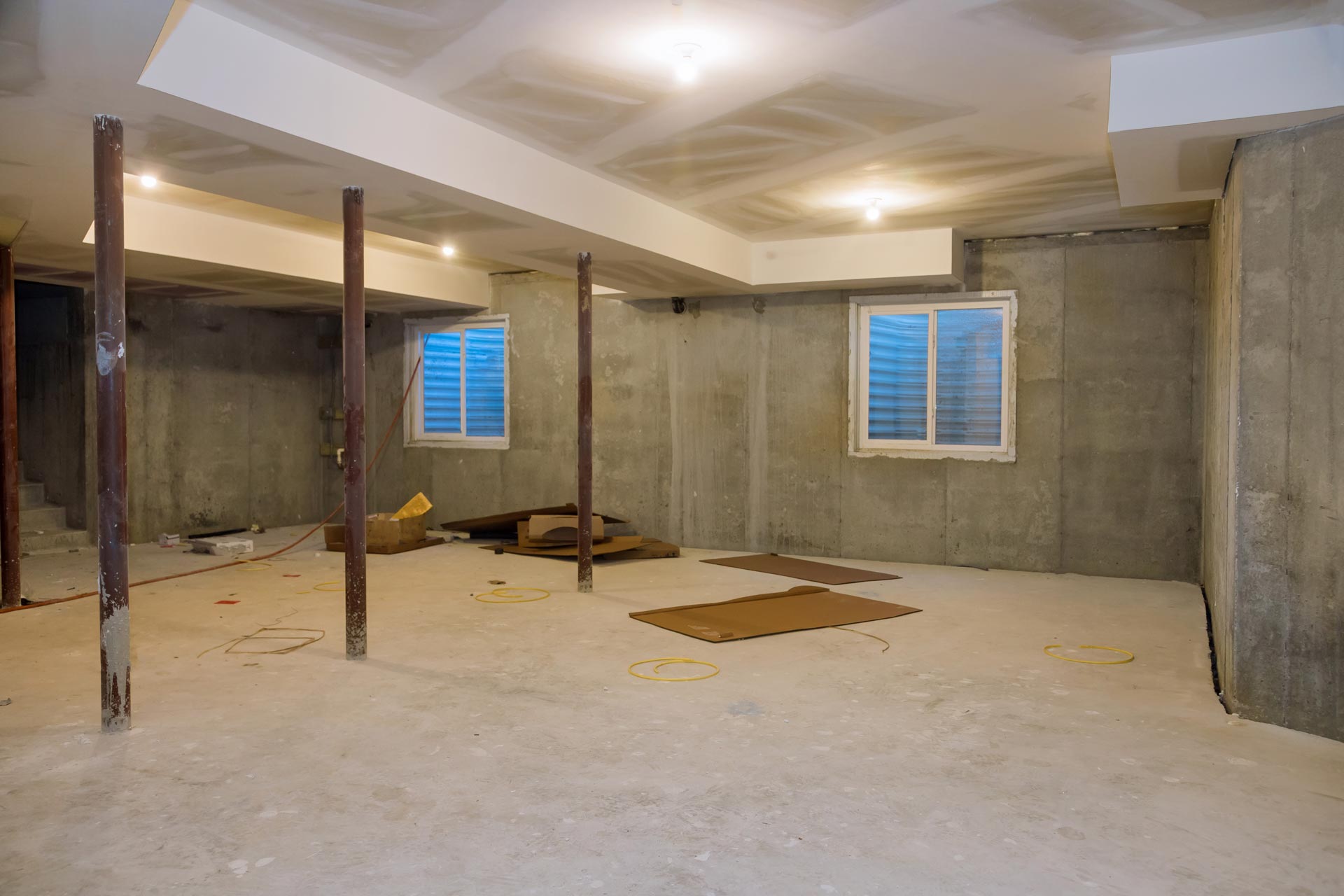
Exterior Vs Interior Basement Waterproofing: Which One To Choose
Water from the surrounding soil seeps into your basement through cracks and pores in the walls. Concrete walls, in particular, are porous, allowing water to soak through and cause a wet basement, necessitating basement waterproofing. Furthermore, if you reside in a location prone to high rains, snowstorms, or heavy snow melt, the likelihood of water seepage in your basement rises. When water seeps into your home's internal rooms through the foundation, it can cause substantial damage. Unless you move quickly and begin waterproofing basement walls from the outside or inside, the damage can have a negative impact on the structural integrity and value of your property. To prevent basement water flooding, homeowners can take quick precautionary measures. You should put in enough time and effort to ensure that the house is practically ideal. However, determining the best option for you, such as whether to waterproof the basement wall from the inside or outside, might be difficult. You should also consider hiring a professional business to complete the task. You must consider the facts about basement waterproofing interior versus exterior solutions before deciding which is best for your property.
Interior Basement Waterproofing
Interior basement waterproofing refers to the process of waterproofing basement walls from the inside. Water that seeps into the basement is rerouted this way before it may enter, exit, or leave your property. It is an effective waterproofing solution that is far less obnoxious than outside waterproofing. The inside basement waterproofing system regulates water by quickly draining groundwater before it reaches your floor. It entails the use of interior sealers as well as drainage systems. Interior drainage systems are made up of pipes and drains that are put under the foundation to collect excess groundwater or to capture leaks. Excess water is directed to a big basin known as a sump pit, which gathers water and empties it away from your property through a sump pump. Investing in inner basement wall waterproofing can lessen the chance of water flooding in your basement. These drainage systems are simple to install and often less expensive than outside waterproofing.
Exterior Basement Waterproofing
Exterior basement waterproofing is also a very efficient way to keep water out of your property. Most problems with moist basements are caused by the outside environment. As a result, it is vital to examine the basement's exterior and consider waterproofing basement walls from the outside. Excavation of the soil surrounding your house's foundation is required for an external basement waterproofing system. Because the earth surrounding the home is constantly soaked, it swells and exerts pressure on the foundation, causing it to move and break. The groundwater then seeps into your home through the crevices. However, outdoor basement waterproofing is a time-consuming process that necessitates the use of many tools and machines. To prevent water seepage, a polymer-based waterproof sealant is sprayed to the outer walls of your basement after digging the dirt surrounding the home's foundation.
Differences between the Two Waterproofing
Where it’s installed
The first and most visible distinction is that, as the name implies, external waterproofing is typically performed from outside the basement. This necessitates excavation along the perimeter of the basement. Meanwhile, the majority of the interior waterproofing installation work is done from within the basement.
Sump Pump
Another distinction is that for internal waterproofing, a sump pump system is nearly always required. This is done to prevent water from accumulating inside the weeping tile network. Only if the weeping tile network is linked to a storm sewer would a sump pump be unnecessary. Meanwhile, the demand for a sump pump for outside waterproofing would be determined by the property's specific requirements. Furthermore, if a sump pump is to be utilised for outside waterproofing, it may be installed outside because the exterior waterproofing weeping tile network is also located outside. The sump pump is not required for external waterproofing to keep water out, but it is an excellent technique to keep excess water from collecting around the waterproofed foundation.
Absence of Leakage
Finally, the third major distinction is that external waterproofing is intended to totally keep water out. This implies that once the external waterproofing is installed, water will not be able to reach the basement wall. Meanwhile, inside waterproofing will not totally prevent water from penetrating the wall. However, internal waterproofing will keep the basement dry by strategically using the waterproof membrane and weeping tiles.
Now that the differences between the two waterproofing methods have been, the information below will talk about the factors to consider when deciding between the two.
Factors to Consider
Excavation Area Around Your Basement
This is the most important issue to consider since external waterproofing requires excavation space around your property's base. As a result, inside waterproofing is the obvious best solution for houses that don't have adequate excavation area or none at all.
Moisture Protection
Both waterproofing technologies may be configured to keep the basement dry and free of puddles and leaks. This is accomplished differently for external vs interior waterproofing technologies. The waterproof membrane is installed on the outside of the foundation for exterior waterproofing, which means that water cannot touch the foundation wall. This is used with a matching weeping tile system to regulate soil moisture. A trench and weeping tile network are installed at the foot of the leaking basement walls for internal waterproofing. This network captures leaks that occur through basement walls, and the water is evacuated by a sump pump. Furthermore, a waterproof membrane is laid on the inside surface of the leaking walls to function as a vapour barrier in addition to all of this. We can see from this setting that even with inside waterproofing, water may still infiltrate through the basement walls. However, everything is well-managed and protected by the barrier.
Intended Use
In regard to the preceding point, depending on the function of the basement, some homeowners may prefer outside waterproofing over inside waterproofing. Exterior waterproofing is better for basements that are meant to be long-term living quarters, such as bedrooms, home offices, or rentable spaces. Exterior waterproofing, on the other hand, keeps the area "drier" and does not rely on a running sump pump to accomplish so.
Invasiveness
Exterior waterproofing is considered a less intrusive method of waterproofing because of how this type of waterproofing system is constructed, which is primarily from the outside of the basement. In contrast, inside waterproofing necessitates the digging of tiny trenches from within. This implies that inside basement waterproofing may necessitate clearing out the basement prior to installation. If less invasiveness is important to you, outside waterproofing is the preferable alternative.
Longevity
Exterior waterproofing, on average, lasts longer without maintenance than inside waterproofing. This is mostly due to the fact that interior waterproofing nearly usually relies on a sump pump to keep the area dry. However, in some circumstances, internal waterproofing can be linked to a storm sewer instead, eliminating the need for a sump pump. Furthermore, it is crucial to remember that the quality of the materials and the completeness of the installation both contribute to how long the waterproofing will endure.
Budget
Interior waterproofing is generally less expensive than outside waterproofing. However, this just takes into account the initial outlay. Exterior waterproofing may be worth the extra cost, given that it often requires little or no upkeep.
Waterproofing your basement may not be the most popular operation done to homes, but it is one of the most crucial out of the bunch. Waterproofing your basement has many benefits that can save you lots, in terms of time and money. There are two waterproofing methods and they include exterior waterproofing and interior waterproofing. Both are very good investments, there are many factors that could affect which one is best for your home. These factors include the excavation area of your basement, the moisture protection both waterproofing operations provide, the intended use for these waterproofing methods, the invasiveness of the project, the longevity of the waterproofing and your budget. If you are having any troubles with deciding which is best for you, it is best that you contact your local, trusted contractor who specialises in basement waterproofing today.
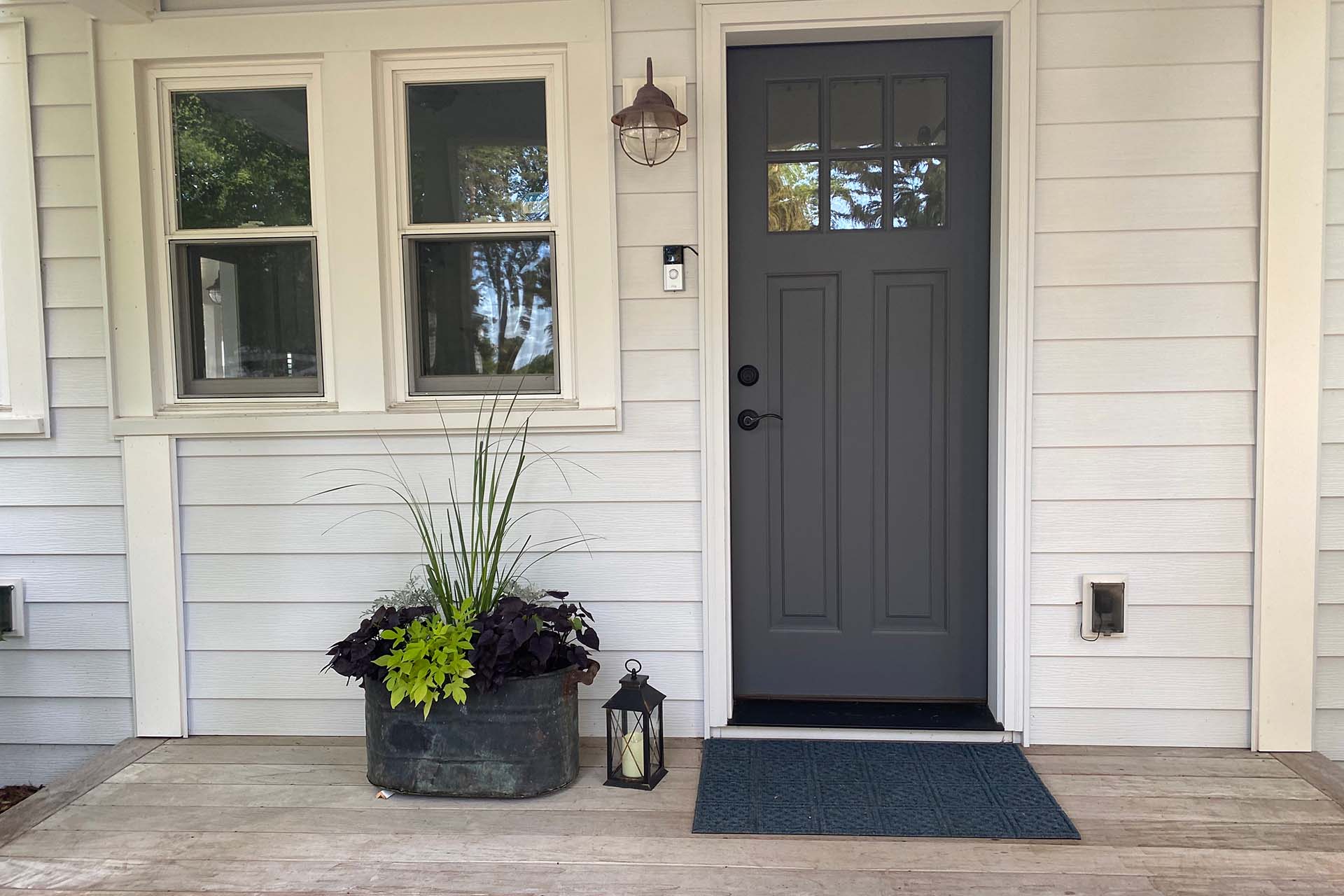
How To Choose An Entry Door To Match Your Home Style
There are various design possibilities and different types of door material for external doors to pick from for any home's architectural style, whether you choose a front door for a classic home or a more modern one. Eventually, you will discover something to your liking, from doors with curved tops to classic forms. You need to make sure the door you pick fits properly and complements the style and the interior design of your home. Choosing a new external door design may be a tedious process since, aside from the expenses involved, the door you select can affect the beauty of your home, its value and the security of your family. So, here are some tips on how to choose an entry door to match your home’s style.
Home’s Architectural Style
Every house has its own distinct curb appeal. They all have their own stylish look that influences the placement and looks of furniture, windows, and doors. Whatever door you pick for your home, you need to make sure it compliments the interior design and style of your home. Modern homes typically feature glass ceilings and beautiful windows, which will complement sleek and unusual front door types. Traditional homes, on the other hand, appear best when combined with a door that has beautiful decor and vintage touches. The doors and windows you pick should always reflect your home's stylistic statement. You cannot mix and match these windows and doors with your home because if you do, they will seem out of place and have a detrimental influence on the overall beauty of your home.
Purpose of Entry Door
Exterior doors are normally constructed to perform a variety of functions depending on the requirements. When selecting an external door style, homeowners should consider the door's purpose. For instance, if you are looking for a door that matches your home’s vintage aesthetic and also provides security, a traditional wood panelled door is an option that you must consider. If you are looking for something that is sleek and simple, but also provides privacy, it is recommended to purchase a frosted glass door. Regardless of what it may be, thinking about your new entry door’s purpose will help you come closer to finding the perfect option.
Try Different Colours
Finding external doors that fit the design of the inside of your living area and the colour of your outside walls is one of the most fundamental things to consider when shopping for a new front door. After considering the aesthetics of your property, you must choose the colour combination and colour tones for your door that best compliments your home. Selecting the right colours can simply boost your home’s attractiveness by producing a unified appearance. However, while a burst of colour may enliven a home, vivid hues can sometimes hinder your home's attractiveness, so be sure to do thorough research before you make any decisions. Furthermore, people frequently pick two distinct colours for their doors — one for the trimmings and one for the windows. With that being said, it would be best to create multiple palettes of colours that would work with each other if combined, so that you have multiple options to choose from.
Think About The Sun
A door that lets in too much light can be a problem and may annoy you and your family. Doors that obstruct natural light, on the other hand, can make a home appear dreary and gloomy on the inside. The position of the sun is vital to consider when deciding what door type is ideal for your property because the right door will ensure that your home receives the appropriate amount of sunshine while fitting your living area's aesthetic. For instance, if your home is facing directly towards the sun, a glass door may not be the best option because these doors will not block any of the sunlight that will be coming in. However, if your home is the opposite and receives little sunlight, a glass door may be the right choice.
Like any other part of your home’s exterior, your front door affects the overall aesthetic of your living area. When looking for an entry door to match your home’s looks, you must think about your home’s architectural style, the purpose that the door will serve, the different colours that could potentially match your living area and the position of the sun. All of these factors are just as important as the other, so taking them all into account will lead to a successful search for a new front door.
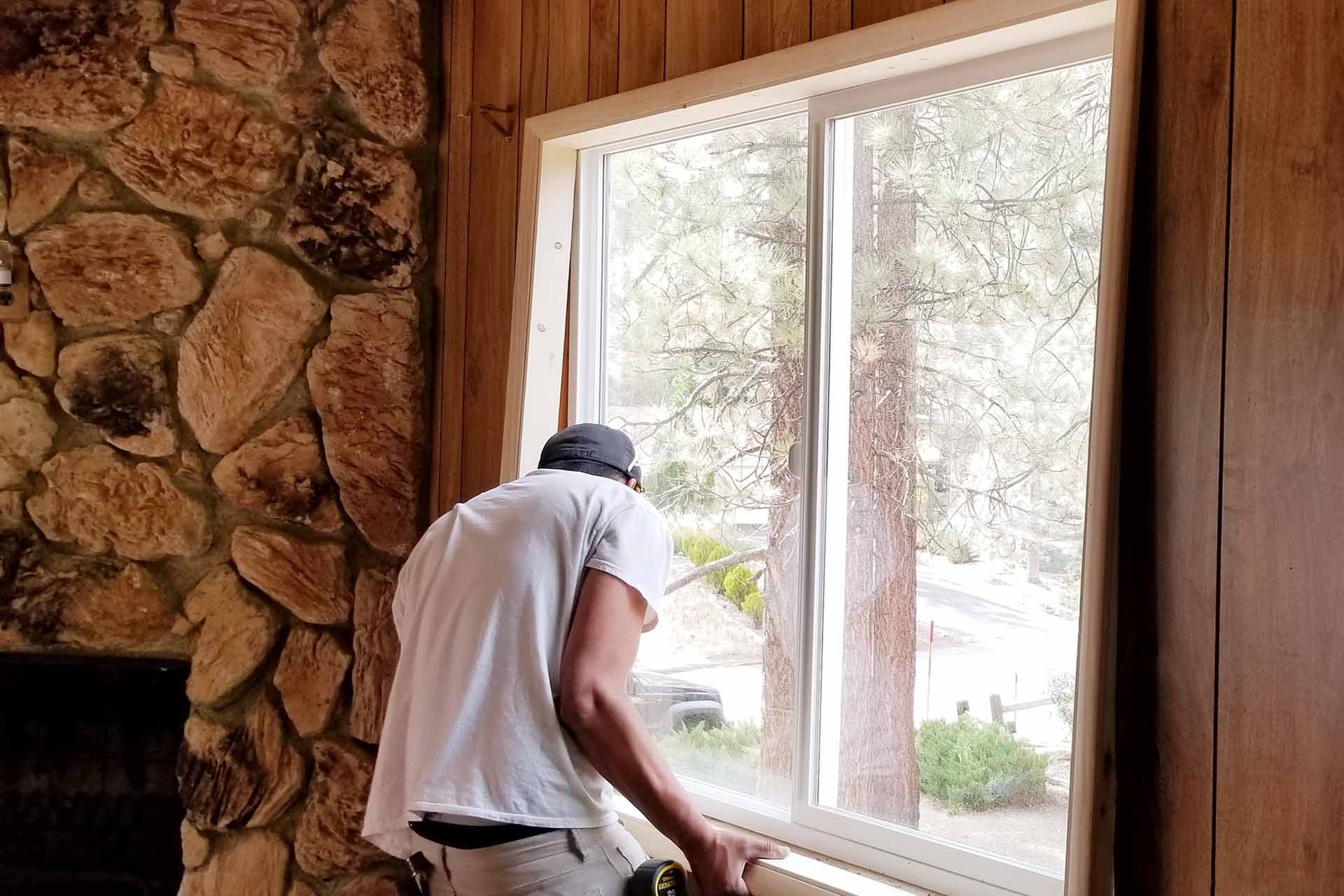
5 Tips for Planning Your Exterior Home Improvement Project
Planning and executing exterior home improvement projects, whether it's a window replacement, roof repair, or upgrading siding, can feel overwhelming. With so many factors to consider—such as choosing the right materials, hiring the best contractors, and managing timelines—it’s easy to get lost in the details. To help you navigate the process, here are five tips to ensure your project runs smoothly.
1. Consider the Weather When Planning
Timing is everything for exterior repairs and upgrades. The months between spring and fall are ideal for projects because weather conditions are more predictable. For example, if you’re installing a new roof, experts recommend working in temperatures of 45 degrees or higher to prevent issues like moisture problems. Keep these seasonal factors in mind when planning, as attempting repairs in colder months can impact both the quality of materials and the efficiency of the work.
2. Choose an Experienced Installer
Selecting the right contractor is one of the most important decisions you’ll make. A reputable installer can make all the difference in ensuring your project’s success. Look for companies with proven expertise and glowing reviews rather than simply choosing the cheapest option. Asking the questions to ask a contractor, such as their experience with similar projects and their warranty policies, will help you feel confident in your choice.
3. Hire a Project Manager to Stay on Track
Managing a large renovation can quickly become overwhelming. That’s where a professional project manager can be invaluable. They’ll coordinate vendors and subcontractors, ensure deadlines are met, and help you budget a project properly. A skilled project manager keeps everything running smoothly, saving you time, stress, and unexpected expenses.
4. Break Your Project into Stages
Renovating your entire home at once can be costly and time-consuming. Instead, tackle your project in manageable stages. For instance, you can focus on one section of your home this year and move on to another the next. This approach keeps your budget flexible and allows you to spread out expenses over time, making the process less overwhelming.
5. Start with Doors, Windows, and Siding
When prioritizing projects, starting with your doors, windows, and siding is a smart choice. A window replacement, for example, not only improves energy efficiency but also enhances your home’s curb appeal and increases its value. Updating these elements can have an immediate impact, both aesthetically and financially, while setting a strong foundation for the rest of your home improvements.