
Winter Roof Maintenance Checklist for Homeowners
As the winter months approach, your roof becomes your home’s first line of defence against snow, ice, and freezing temperatures. While your roof is built to withstand the elements, the harshness of winter can expose vulnerabilities and lead to costly problems if not addressed proactively. Working through a Winter Roof Maintenance Checklist is the best way to keep your roof in great condition and avoid unexpected repairs. Whether you’re tackling this on your own or calling in a trusted roofing company, staying ahead of potential issues like ice dams and leaks will save you stress and money. By knowing the signs of roof damage, you can spot problems early and take action before they escalate. Let’s dive into the essential steps in this checklist to keep your roof winter-ready.
Pre-Winter Preparation Checklist
Before winter sets in, take time to prepare your roof for the challenges ahead. A little effort now can save you a lot of trouble during the colder months.
Inspect Your Roof Thoroughly
The first step in your Winter Roof Maintenance Checklist is a comprehensive roof inspection. Look for missing or cracked shingles, rusted or loose flashing, and sagging areas. These are some of the early signs of roof damage that, if left unchecked, can lead to leaks or structural issues. Use binoculars for a safer, ground-level inspection, or hire a professional roofing company for a more detailed assessment. Addressing minor issues now prevents them from becoming costly emergencies when the snow starts falling.
Clean Your Gutters and Downspouts
Next on the checklist is ensuring your gutters and downspouts are clear. Clogged gutters are a recipe for disaster in winter. Leaves, twigs, and debris can block water flow, leading to ice dams and water overflow that damages your roof, siding, and foundation. Thoroughly clean out your gutters and flush them with water to ensure they’re free of obstructions. Make sure your downspouts direct water at least six feet away from your home to protect your foundation.
Trim Overhanging Branches
Trees near your home can pose a significant risk during winter storms. Snow-laden branches can snap and fall, causing physical damage to your roof or clogging your gutters with debris. Trimming overhanging branches is a simple yet crucial step in your checklist to reduce the chances of roof damage while also preventing debris from accumulating throughout the season.
Ongoing Winter Maintenance Checklist
Once winter is in full swing, staying vigilant about your roof’s condition can make a big difference. These steps will help you protect your home during the coldest months.
Monitor Snow Accumulation
Heavy snow is one of the most significant threats to your roof during winter. The weight of accumulated snow can strain your roof, increasing the risk of sagging or even collapse. Use a roof rake to safely remove excess snow from the edges of your roof, working from the ground to avoid injury. Focus on areas where snow tends to pile up, such as valleys or near chimneys.
Prevent Ice Dams
Ice dams are another critical item on your checklist. These form when melting snow refreezes at the edges of your roof, blocking proper drainage. This trapped water can seep under shingles and cause leaks. To prevent ice dams, ensure your attic is well-insulated to stop heat from escaping and melting snow unevenly. Installing heated cables along the edges of your roof is another effective measure. Proper ventilation also plays a critical role in maintaining an even roof temperature, reducing the likelihood of ice dam formation.
Inspect Attic Ventilation
Moisture buildup in your attic can lead to mould, rot, and structural issues. During winter, blocked vents or poor ventilation can exacerbate these problems. Inspect your attic to ensure air is circulating properly, and check for condensation on rafters or insulation. Improving ventilation not only protects your roof but also increases your home’s energy efficiency.
Addressing Repairs and Emergencies Checklist
Even with the best maintenance plan, unexpected issues can arise. Knowing how to handle repairs and emergencies during winter is essential.
Seal Roof Leaks Immediately
Roof leaks are one of the most common problems homeowners face in winter. Even a small leak can cause extensive damage if water seeps into your home. Keep roofing sealant or tar handy for temporary fixes until a professional can make permanent repairs. If you notice water stains on your ceiling, dripping water, or icicles forming near gutters, these are red flags that require immediate attention.
Watch for Signs of Damage During the Season
Winter storms can create or exacerbate problems with your roof. Keep an eye out for signs of roof damage, such as missing shingles, sagging areas, or water infiltration. Snow-covered roofs may hide damage, so pay attention to indoor indicators like water stains or drafts. If you suspect an issue, contact a roofing company to assess and resolve the problem before it worsens.
Have an Emergency Roof Repair Kit
Preparing for emergencies is always a good idea. Keep a repair kit stocked with essentials like a tarp, nails, a hammer, roofing adhesive, and a sturdy ladder. This can help you temporarily address issues like missing shingles or leaks until professional help arrives.
Post-Winter Inspection and Maintenance Checklist
Once the snow has melted and spring is on the horizon, it’s time to assess the impact of winter on your roof.
Conduct a Thorough Post-Winter Inspection
Winter’s freeze-thaw cycles can cause significant wear and tear on your roof. Check for missing shingles, damaged flashing, and any sagging areas. Pay close attention to gutters and downspouts, which may have shifted or been damaged by ice buildup. Identifying issues early allows you to schedule repairs before spring rains exacerbate the damage.
Clean Your Roof and Gutters
Removing debris from your roof and gutters is essential for maintaining proper drainage. Leftover ice dams, leaves, and twigs can block water flow, leading to problems as temperatures warm up. Clearing these areas ensures your roof is ready to handle spring rains and reduces the risk of mould or algae growth.
Schedule Professional Maintenance
Even with a diligent maintenance routine, some issues may go unnoticed without a professional inspection. Hiring a roofing company to conduct a thorough post-winter checkup ensures your roof remains in peak condition. They can identify hidden problems, recommend necessary repairs, and give you peace of mind that your home is well-protected.
Keep Calm and Stick to the Checklist
Winter roof maintenance may seem daunting, but it’s an essential part of protecting your home. By following this Winter Roof Maintenance Checklist, you can prevent costly damage and ensure your roof stays in top shape throughout the season. From pre-winter preparation to ongoing care and post-winter inspections, every step on the checklist plays a vital role in maintaining your roof’s health and longevity.
Whether you handle these tasks yourself or enlist the help of a trusted roofing company, investing in regular maintenance pays off in the long run. Don’t wait for problems to snowball—take action now, stick to the checklist, and enjoy the confidence that comes with a well-maintained roof. With a little effort and attention, you’ll keep your home protected all winter long.


How to Properly Maintain Your Metal Roof for Maximum Longevity
When it comes to safeguarding your home against the elements, a metal roof is one of the best investments you can make. Not only renowned for their durability and longevity, Metal roofs also offer an aesthetic appeal that can significantly boost your home’s market value. However, like any major investment, a metal roof requires proper maintenance to ensure it performs optimally over the years. Today, we’ll dive into the essential steps to maintain your metal roof, ensuring its longevity and efficiency.
Understanding Metal Roofing
Metal roofs come in various materials including aluminum, steel, copper, and zinc. Each has its unique properties and aesthetic appeal. These roofs are highly sought after for their ability to withstand severe weather conditions, their eco-friendly nature, and their energy efficiency, which can help keep your home cooler in summer.
Despite the robustness of metal roofing, it can face challenges such as corrosion, denting, and noise from rain and hail. Understanding these aspects is crucial to maintaining your roof properly and extending its lifespan.
Routine Inspection and Maintenance
To maintain the longevity of a metal roof, routine inspections are vital. It’s recommended to inspect your roof at least twice a year and after any severe weather events. During these inspections, look for any signs of rust, seam separation, loose fasteners, and other irregularities that might compromise roof integrity.
Cleaning your roof is also an important part of the maintenance routine. It should be done with care, using tools and cleaning solutions that are appropriate for metal. Avoid harsh chemicals or abrasive tools, as these can damage the roof’s protective coating.
Preventing and Addressing Corrosion
Corrosion is a metal roof’s nemesis. It can significantly shorten the lifespan of a metal roof if not addressed timely. To prevent corrosion, ensure that your roof has proper coatings and that these are maintained regularly. If you live in a high-humidity area or near the ocean, special coatings might be necessary to protect against salt spray.
If you spot early signs of rust, treat them immediately. Small areas of rust can often be cleaned and then recoated, but larger areas might require professional attention.
Managing Debris and Drainage
Keeping your roof free of debris such as leaves, branches, and other elements that can accumulate over time is essential. Debris can trap moisture against the roof, leading to rust and other issues. Regularly cleaning your gutters and ensuring they are free from blockages is also critical to prevent water accumulation.
Proper drainage is key to maintaining a metal roof. Ensure that your roof’s design allows water to flow freely off the roof and away from your home’s foundation, preventing any potential water damage.
Repairing Damage
Detecting and repairing damage early can greatly extend your roof’s life. Regular inspections will help you spot any minor damages that can be addressed before they become major issues. For small repairs, a DIY approach might be adequate, but significant damages should always be handled by professionals.
When it comes to repairs, it’s important to choose high-quality materials that match your roof’s original specifications. This ensures that repairs last and provide the necessary protection for your home.
Enhancing Roof Longevity
There are several enhancements and additions you can consider to further extend the life of your metal roof. Overcoating, for instance, can add an extra layer of protection against the elements. Installing snow guards can prevent ice and snow from causing structural damage.
Preparing your roof for each season, particularly if you live in an area with extreme weather conditions, can also help maintain its integrity. Before the winter months, ensure that your roof is free of debris and that any minor damages are repaired to prevent water infiltration and ice damage.
Maximize the Lifespan of Your Metal Roof!
Proper maintenance is crucial to maximize the lifespan and efficiency of your metal roof. By conducting regular inspections, keeping it clean, and addressing any issues promptly, you not only ensure that your roof remains in top condition but also help boost your home’s market value with a well-maintained metal roof. Remember, a little care goes a long way in protecting and enhancing this vital part of your home. Take proactive steps today to ensure your roof remains a reliable shield for many years to come.

Boost Your Home's Market Value with a Metal Roof
When it comes to enhancing your home, choosing the right roof is more than just about beating the weather; it's a significant investment that could pay off in the real estate market. Metal roofing has become a hot trend in home improvements—not just for its striking look but for the promising increase in metal roof resale value it offers. Whether you're renovating or preparing to sell, understanding the benefits of a metal roof can help you make an informed decision. Let’s dive into why metal roofs are a shining option for boosting your property’s value.
Why Metal Roofs? A Shining Option for Homeowners
Metal roofs are not just practical; they’re stylish, versatile, and built to last. Here’s why more homeowners are choosing metal over traditional materials:
- Built to Endure: With a lifespan of up to 50 years or more, metal roofs outlast others by decades. Their ability to withstand harsh conditions means fewer worries about replacements and repairs.
- Cool and Cost-Effective: Thanks to their reflective nature, metal roofs keep your home cooler and slash energy bills in the summer. This thermal efficiency also means less strain on your HVAC system, enhancing its lifespan.
- Stylish Versatility: From sleek modern finishes to classic looks that mimic slate or tile, metal roofs can elevate any home's exterior. They offer a variety of colours and textures that can match any architectural style, making them a flexible choice for any homeowner.
The Economic Edge of Metal Roofing
Investing in a metal roof might seem steep at first, but let’s break down the long-term benefits that show it’s worth every penny:
- Savings Over Time: The initial cost is offset by the minimal upkeep and longer lifespan of metal roofs, meaning less money spent on future replacements. This makes them a cost-effective option over the long haul.
- Lower Insurance Premiums: Thanks to their durability and fire resistance, many insurance companies offer lower premiums for homes with metal roofs. This can lead to significant savings on homeowner insurance costs.
- A Greener Pocketbook: Energy savings are a big plus, as the reflective surfaces of metal roofs keep cooling costs down. Additionally, the materials used are often made from recycled content, enhancing the eco-friendliness of your home.
Resale Value Rises with Metal
A key question many homeowners have is whether a metal roof will pump up the property’s resale value. Here's what the experts say:
- Valuable Investment: Homes with metal roofs often command higher resale prices—up to 6% more in some markets. This can translate to substantial financial gains when it's time to sell.
- Market Magnet: Buyers are drawn to homes that offer durability and energy efficiency, both hallmarks of metal roofing. These features are often highlighted in listings and can accelerate the sale process.
- Wise Buy: The long-term savings and benefits make these homes attractive to buyers looking for value and quality. Investing in a metal roof not only protects your home but also adds to its overall market appeal.
Local Flavor: How Your Region Influences the Value
The boost in your home’s value can vary significantly depending on where you live:
- Weather the Storm: In areas with extreme weather, a metal roof’s resilience is a big selling point. It offers superior protection against elements like wind, hail, and even fire.
- Fit the Scene: If metal roofs are a common sight in your neighbourhood, adding one to your home can also enhance its appeal. This integration with local trends can make your home stand out positively in the real estate market.
Considerations Before You Commit
While the advantages are clear, there are a few things to consider before you decide to go metal:
- Beauty is in the Eye of the Beholder: Not everyone loves the look of metal roofs, so consider your local market’s taste. While they can increase value, a mismatch with community aesthetics might limit appeal.
- Upfront Costs: The initial investment for a metal roof is higher than for traditional materials, so it’s important to plan financially if you're considering this major upgrade. However, the long-term savings in maintenance and energy costs can offset these upfront expenses.
Ready to Shine? Your Guide to Metal Roof Replacement
Deciding to upgrade to a metal roof is a smart move for many homeowners. It's an investment not only in your home's durability and efficiency but also in its market appeal. With the long-term benefits outweighing the initial costs, a metal roof can be a pivotal factor in making your home stand out in the real estate market. If you're ready to boost your home's value and curb appeal, this guide to metal roof replacement is your first step towards a brighter, more sustainable future for your property.

A Closer Look at Eavestroughs, Soffits, and Fascia: Components of a Healthy Roof
Imagine curling up on the couch with a good book on a rainy afternoon. As you lose yourself in the story, a persistent dripping sound pierces the calming pitter-patter on the roof. Dread fills you as you realize the sound is coming from the ceiling. A leaky roof can transform a relaxing moment into a stressful situation, leading to water damage, mold growth, and a hefty repair bill. Thankfully, such scenarios can often be prevented through proactive roof maintenance. Regularly inspecting and maintaining your roof isn't just about checking the shingles you see – it's about ensuring the entire roofing system functions optimally. This includes components that might not be as familiar, but play a vital role in keeping your home healthy and dry: eavestroughs, soffits, and fascia.
By understanding the roles of these lesser-known roof components and how to maintain them, you can empower yourself to ensure your entire roof system functions effectively, safeguarding your home from water damage and the elements.
Eavestroughs, also known as gutters, are often the unsung heroes of a healthy roof. These long, trough-shaped channels run along the edge of your roof, collecting rainwater and directing it away from your foundation. Imagine all the rainwater cascading off your roof during a downpour. Without eavestroughs, this water would pool around your foundation, potentially causing cracks, leaks, and even basement flooding. Eavestroughs ensure this doesn't happen by channeling the water away from your home's most vulnerable areas.
However, like any hard working hero, eavestroughs need care. Leaves, debris, and even small critters can accumulate over time, clogging the channels and preventing proper water flow. This can lead to overflowing gutters, which defeats their purpose. Overflowing water can saturate the ground near your foundation, increasing the risk of leaks and foundation issues.
Eavestroughs come in various materials, each with its own advantages. Popular options include vinyl, aluminum, and steel. Vinyl is cost-effective and lightweight, while aluminum offers a good balance of durability and affordability. Steel is the sturdiest option but also the most expensive. Keeping your eavestroughs clear is crucial for their proper functioning. Regularly clean them by removing leaves, debris, and any nesting critters. You can also install gutter guards to minimize future clogging. These screens or mesh filters attach to the top of your gutters, allowing rainwater to pass through while blocking leaves, debris, and even small critters from entering and clogging the channels. This can significantly reduce the frequency of gutter cleaning, but remember, gutter guards may require occasional maintenance themselves to remove any built-up debris. Finally, check for any leaks, cracks, or sagging in the eavestroughs themselves. Addressing any damage promptly ensures they continue to protect your home effectively.
Working in tandem like a well-oiled machine, soffit and fascia provide a crucial layer of defense for your roof. Imagine lifting your head and gazing directly beneath the overhanging edge of your roof. The underside you see – often featuring vented panels – is the soffit. These panels aren't just there for aesthetics; they play a vital role in maintaining good air circulation within your attic space. By allowing air to flow freely, soffit vents help prevent moisture buildup, which can lead to rot, mold growth, and even structural issues. Think of them as tiny breathing holes for your attic, ensuring proper ventilation and a healthier roof environment.
Partnering with the soffit is the fascia, the exposed board running along the very edge of your roof overhang, where your gutters typically attach. Imagine it as a shield – the fascia acts as a barrier, protecting the exposed ends of the rafters (the structural beams that support your roof) from the harsh elements. Rain, snow, and wind can wreak havoc on these wooden components, but the fascia takes the brunt of the attack, preventing water infiltration and potential rot. Additionally, a well-maintained fascia with a proper paint finish adds a touch of aesthetic appeal to your home's exterior. So, while the fascia might seem like a simple board, it plays a critical role in safeguarding the structural integrity of your roof and contributing to its overall longevity.
Now that you've been introduced to the essential roles of eavestroughs, soffits, and fascia, you can see why they're more than just decorative elements on your roof. These components work together seamlessly to form a protective shield for your home. Properly functioning eavestroughs ensure water flows away from your foundation, preventing leaks and damage. Soffits promote healthy ventilation in the attic, while fascia safeguards the exposed roof structure from the elements.
Remember, a healthy roof is an investment in your home's well-being and your peace of mind. Don't wait for a rainy day to discover a leak! Schedule regular roof inspections by a qualified professional to identify any potential issues with these crucial components. In between professional inspections, you can perform basic maintenance checks yourself, such as cleaning your eavestroughs and inspecting the soffits and fascia for signs of damage. By taking these proactive steps, you can ensure your entire roof system functions optimally for years to come, keeping your home safe and dry from whatever the weather throws your way.
Is your roof overdue for some TLC? Are you noticing any signs of wear and tear on your eavestroughs, soffits, or fascia? If you're considering replacing these crucial components and ensuring a healthy, well-protected roof, look no further than Home Exterior Pros! Our team of experts can assess your needs, recommend the best materials, and provide a free quote for a top-notch eavestrough, soffit, and fascia replacement. Don't wait for a leak to act! Head over to our website homeexteriorpros.ca today and fill out a free quote request to get started on a worry-free roof.

Unveiling the Environmental Benefits of Metal Roofing
In an era where environmental sustainability is more than a trend but a necessity, homeowners and builders are increasingly turning to green building materials. Among these, metal roofing stands out not only for its aesthetic appeal and durability but also for its significant environmental benefits. The life expectancy of a metal roof, as detailed by Metal Roof Master, can exceed 50 years, far surpassing traditional roofing materials like asphalt shingles. This longevity is just the tip of the iceberg when it comes to the eco-friendly advantages of metal roofs.
Reduced Waste
Traditional roofing materials contribute significantly to construction waste, with asphalt shingles needing replacement every 15 to 20 years. In contrast, the extended lifespan of metal roofs minimizes waste generation. A roof that lasts over half a century means fewer replacements and, consequently, less material ending up in landfills. The environmental impact of this reduced waste cycle is profound, offering a sustainable solution to the pressing issue of construction waste management.
Energy Efficiency
Metal roofs reflect solar radiant heat instead of absorbing it, which can reduce cooling costs by 10-25%. This reflective property means homes with metal roofs require less energy to maintain comfortable indoor temperatures, especially in warmer climates. By decreasing the demand for air conditioning, metal roofs directly contribute to lower carbon emissions, aligning with global efforts to combat climate change. The energy efficiency of metal roofing, highlighted by its ability to maintain optimal indoor temperatures, embodies the essence of sustainable living.
Recyclability
One of the most compelling environmental benefits of metal roofing is its recyclability. Most metal roofing materials are made from a significant percentage of recycled content and are 100% recyclable at the end of their lifespan. Unlike asphalt shingles, which often end up in landfills, metal roofing materials can be continuously recycled without loss of quality. This cycle of reuse represents a pinnacle of environmental stewardship, ensuring that the materials used for roofing today can be repurposed for the roofs of tomorrow.
Durability and Resistance
The durability of metal roofs stands out remarkably, as they possess the robustness to endure severe weather phenomena such as heavy snowfall, hailstorms, and wildfires. This exceptional resilience implies that metal roofs seldom require repairs or replacements due to weather-related damage. This characteristic significantly diminishes the environmental footprint linked with the production and transportation of roofing materials. Such insights underscore the notion that the extended lifespan of metal roofs serves as a clear indicator of their unmatched performance against environmental adversities.
Reducing Urban Heat Islands
Metal roofs can also play a role in mitigating the urban heat island effect, a phenomenon where urban and suburban areas become significantly warmer than their rural counterparts. The reflective surfaces of metal roofs help reduce the amount of heat absorbed by buildings, thus lowering the ambient temperature in densely populated areas. This effect contributes to a cooler urban environment, reducing the need for air conditioning and promoting a more sustainable urban ecosystem.
A Path Toward Sustainable Construction
The environmental benefits of metal roofing align with a broader movement toward sustainable construction practices. By choosing materials that are durable, energy-efficient, and recyclable, homeowners and builders can significantly reduce the ecological footprint of buildings. The long life expectancy of metal roofs is a clear indication of their role in sustainable construction, offering a solution that benefits both the planet and the people who inhabit it.
Conclusion
The choice of roofing material is a crucial decision in the construction and renovation of buildings, with far-reaching implications for environmental sustainability. Metal roofing emerges as a leading option, distinguished by its longevity, energy efficiency, and recyclability. As we strive for a more sustainable future, the adoption of metal roofs represents a practical and effective step toward reducing our environmental impact. The insights from Metal Roof Master underscore the importance of considering life expectancy and durability in our pursuit of eco-friendly building solutions, making metal roofing a wise choice for the environmentally conscious homeowner.
What are the most common roof problems?
Because your roof protects your home from the elements of the outdoors, such as burning heat and strong snowstorms, a great roofing system should be able to withstand all circumstances. Unfortunately, roofing issues are unavoidable and are inevitable no matter what you do. If the damage is not fixed, it can escalate to serious and potentially dangerous problems that might harm you and your entire property. Learning more about the different difficulties that might emerge is the greatest approach to guarantee that a roofing situation does not become a significant and expensive repair. That way, you'll be able to spot any issues and solve them right away. So, here are some of the most common roofing problems that the majority of homeowners face every year.
Poor Ventilation
Poor or insufficient attic ventilation can result in excessive heat buildup in your attic, as well as damage to the sheathing and deterioration of the shingles, resulting in a roofing disaster. Possessing a ridge outlet and spray foam insulation, owning an attic fan and a ridge vent, using a ridge chute when you should have an attic fan, and having too many intake locations are all aspects that might lead to incorrect ventilation. Poor ventilation additionally causes moisture to build up in your attic, boosts your home's internal temperature, and makes shingles crack up and break. It can also contribute to ice dams in the winter, which can pose structural and safety hazards.
Bad Roofing Materials
Whether the tiles were improperly laid, the shingles were shattered, or part of the components fell off during a storm or another weather condition, damaged or displaced roofing materials endanger the structure of your roofing and can cause several issues. Even a high-quality, correctly constructed roof deteriorates with time and is affected by the environment. Some roof attachments do not survive as long as shingles and must be changed at some point throughout the roof's lifespan. A typical novice roofing error is misunderstanding the significance of your shingles. While broken or curling shingles may not appear to be an issue, they expose your roofing to weather and make it more vulnerable to harm. The longer you leave broken shingles alone, the more likely you will have problems that reach deeper than the surface, such as decaying sheathing. To prevent this from happening often, you should look into purchasing metal roofing, since they are more durable than the other types of roofing.
Water Damage
Sitting water on your roof after a rain or blizzard can cause mould or mildew to grow, affecting the roofing material and causing leakage or structural damage. Stagnant water can infiltrate through minor penetrations or weak sections in your roof and produce a leak. This problem is more frequent on flat roofs, however effective drainage is essential on all roof types. A skilled contractor should inspect your roof on a regular basis to assist you in preventing leaks or long-term issues. Standing water can also form ice dams, which can cause deterioration in the soffit or fascia panel and extend to the remainder of the roof. This is how bugs and birds may get up on your roof, as well.
Roof Leaks
Roof leaks are typical among households and can occur for a variety of reasons, including inadequate insulation, poor ventilation, ice dams, old pipe boots, or poor installation. A leaking roof is most likely the blame for water flowing down your walls. You must look for indicators of roof leaks, such as water stains or mold. When you notice a leaking problem, the best thing you can do is repair it as soon as possible to limit the damage. Roof leaks, on the other hand, inflict costly damage and structural issues if left ignored. If you see any indicators of a roof leak, consult with a professional for a thorough check.
Bad Flashing
The flashing is constructed of waterproof plastic, aluminium, or steel. It is put in the thinnest places of your roof to cover wrinkles on fixtures and attachments such as chimneys or windows, which helps to keep difficult regions sealed for leak protection. When flashing material breaks or splits, the connections become exposed to water and moisture. Flashing must be correctly fitted and fastened. Otherwise, you'll have issues in this region. If you see any damaged flashing, contact a professional right once to have it fixed or replaced.
Poor Installation
Hiring unskilled or under qualified roofers might lose you money in the long term. Mold, low life expectancy, and long-term issues are all prevalent causes of poorly built roofs. Although you may save money initially, choosing this risk will result in complex complications. Because this might be a risky endeavour without firsthand experience, it's better to contact a top roofing company to expertly install your roof. To ensure that you are employing skilled installers, inquire about who will be executing the roof installation. Perhaps the salesperson who sells you the roof is excellent and competent, but their crew is not. Alternatively, companies might have some in-house staff but also hire inexperienced subcontractors. It never hurts to check.
Tree Damage
If a tree limb crashes onto your rooftop, it can do significant damage. Large branches, however, are not the only culprits here. Smaller branches might do greater harm if they scrape against your roofing for an extended period of time. They can gradually damage the top layer of the roof, causing shingles or flashing issues. Tree debris and leaves can also clog gutters, allowing water to penetrate through your property and cause serious damage and leakage. It is better for your roof if you can trim or remove trees that represent a major threat to its integrity.
Ineffective Gutters
Clogged or damaged gutters can cause leaks along the roof's edge and water backups, which can eventually penetrate into the eaves and rot. You may avoid this issue by getting a roofer to construct a drip edge while building or replacing your roof. You may also avoid difficulties by cleaning your gutters on a regular basis and adding gutter shields, which can minimize blocked gutters. If your gutters are clean but still overflowing with water, look for signs of gutter deterioration such as rot, rust, or fractures. Clogged gutters can also indicate falling granules, which are the top layer of the roof that protects the roofing from UV radiation. If this is the case, you should get them examined and replaced before the shingles begin to fracture. However, if you have a completely new roof, some shingle granule loss is typical and nothing to be concerned about, similar to discovering lint in a dryer after washing a new blanket. While blocked gutters may appear to be a minor issue for the roof, they can eventually cause leaks and costly structural damage.
Poor Maintenance
Many people are unaware of the need for roof maintenance. Ignoring periodic maintenance can cause tiny, unseen issues to evolve into huge, expensive ones. It is best that you arrange at least one roof check every year to ensure your roof is well-maintained. If you reside in a region where there are frequent and high winds, you should also have post-storm roof inspections. Schedule routine maintenance with a roofing company near you. Roof tune-ups are also recommended every 8 to 12 years by professionals. This work entails maintenance such as nail pop repair, shingle replacement, nail sealing, and pipe boot replacement.
The roof of your home is one of the most important aspects of your property because it protects your family and your belongings from the outside environment. If your roofing is damaged and not repaired immediately, then you are more than likely to face serious problems that you do not want. Some of the most common problems that you need to be aware of are poor roofing ventilation, bad roofing materials, water damage, roof leakage, bad flashing, poor installation, damage caused by trees, ineffective gutters and poor maintenance. By noticing these problems and fixing them as soon as possible, you are protecting your roof and extending its lifespan, which will save you money and time in the long run.
5 Common Signs Of Roof Damage Homeowners Often Ignore
Roofs protect your house from experiencing various problems like water damages and poor insulation. Because they separate the interior of your home from the exterior elements of your area, they will ultimately experience damages. With that being said, examining and regularly maintaining all the aspects of your roof is crucial for its overall longevity and durability. No roof problem should be left unattended, but here are 5 common signs of roof damage that homeowners often ignore.
Shingle Damage
One of the more clear indications of roofing destruction is missing or broken shingles. This aspect of roofs deteriorates and loses their resistance to external circumstances over time. High winds are a common source of shingle damage. With missing or damaged shingles, your roof is more vulnerable to more severe damages that can put you and your family in danger. Although they may seem like a minor problem, as soon as you see any loose, missing, or broken shingles, repair them because they can lead to more serious complications that would be more expensive to fix.
Gutter Problems
The inspection of your roof gutters is important to do, especially if the springtime is right around the corner because it is common for debris to build up in these places. Some things to look out for when checking your gutters are twigs, branches and leaves. Once your gutters become congested, water from rainstorms and such won’t be able to flow away properly. So, you should regularly check up on your gutter’s hangers, elbows, seams and downspout’s cage.
Poor Ventilation
Poor attic ventilation often shows up as sudden spikes in your energy bills. When warm air becomes trapped, your HVAC system must run longer to maintain comfortable temperatures—your HVAC company can easily verify the extra strain during an inspection. Restricted airflow also encourages moisture buildup beneath the roof deck, creating ideal conditions for mould and fungi. Improving roof ventilation is essential to prevent condensation issues and damaged insulation, protect your home’s structural health, and lower your ongoing energy costs.
Moss Spores
It is common for roofs to develop patches of moss, especially on the areas that are not exposed to the sun that much. Even though moss may seem benign, they are able to negatively affect the matting of your roof. If this part of your roof is disrupted, your house will be more likely to experience leakage and rot. Some ways to remove moss from the top of your house are by simply brushing them off or using chemical treatment paired with a scrub.
Damaged Flashing
Roof flashing is an essential part of the maintenance of your house’s condition. The goal of flashing is to keep water from pooling and collecting. Because of flashing, your home is less likely to experience moisture buildup and roof damage. Sometimes, due to harsh weather conditions and old age, your roof flashing can curl up or crack. If you don’t fix this as soon as possible, your home is more susceptible to flooding.
Because roofs protect homes from exterior elements, they are bound to face the consequences of harsh weather conditions and such. Some roofing damages that most people skip over are shingle and flashing damages, moss patches, gutter problems and poor ventilation. Whether the situation is big or small, all roofing complications should be treated with care to prevent you and your family from experiencing any discomfort.j
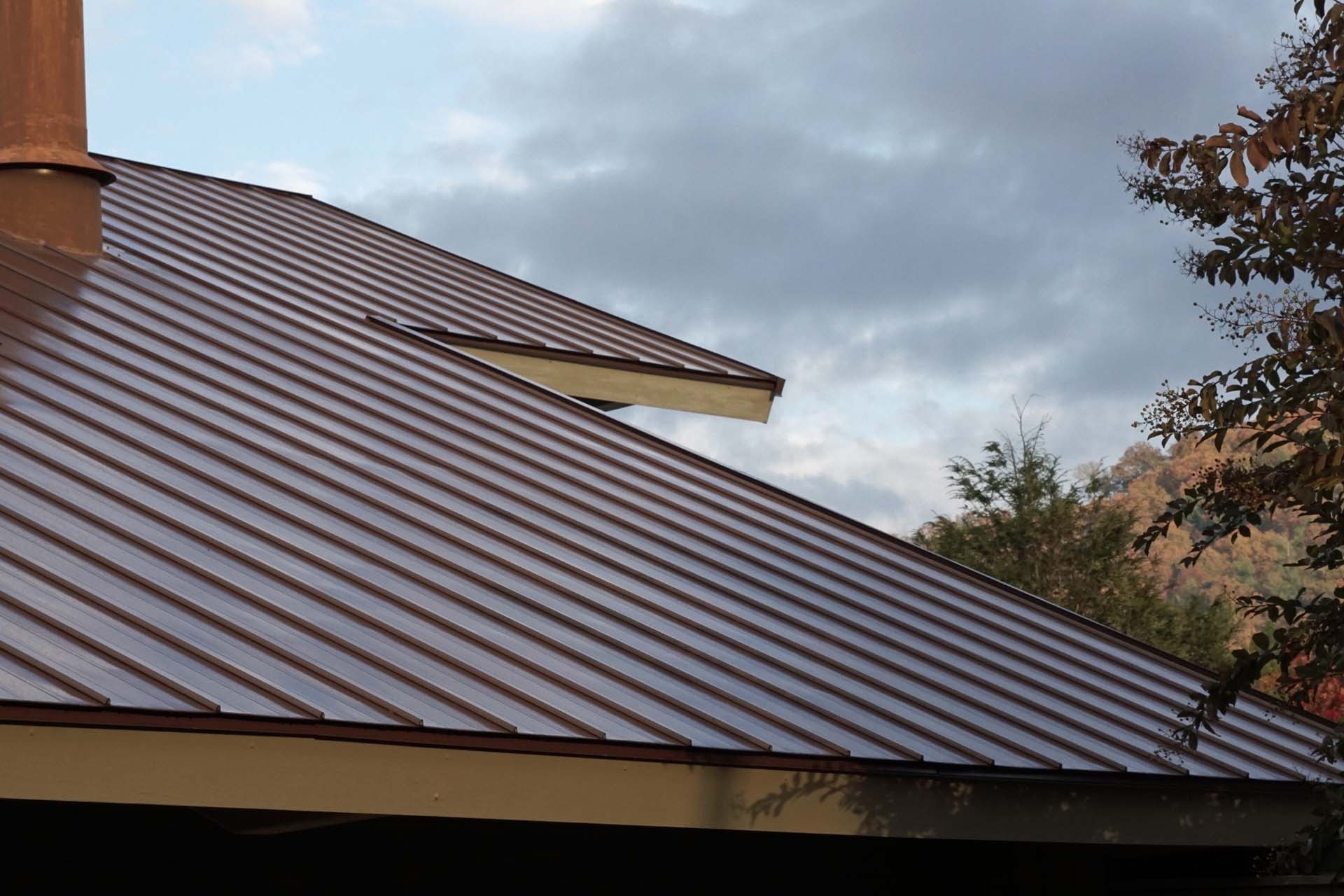
5 Qualities That Make Metal Roofs Resilient
The roof of your home is an essential part of your house’s structure and it must have the necessary qualities to provide its expected functions. While getting security and protection from weather elements with metal roofs, you also get a ton of other benefits. If you’ve ever wondered why metal roofs are a top choice for most homeowners and roofing contractors, it's because metal roofs are resilient. Here are some qualities that make metal roofs resilient.
1. Strength
Your roof is the primary layer between your interior and the external environment. With a metal roof, you don’t have to worry about damage to your roof due to impacts from ice pellets and other external factors. Its impact resistance is way higher than other materials as it doesn’t dent easily or suffer hail damage. The strength of your roof is the most important determinant of its resilience.
2. Durable against weather elements
Metal is one of the most durable materials for roofing. Metal roofs are a great investment because of their durable qualities that protect them from damage across the years. It can withstand extreme weather conditions. If your home experiences a thunderstorm or hailstorm, having metal roofing can be the best solution to help you protect your property.
3. Highly corrosion-resistant
Metal roofs are made with high-quality materials and premium coating. If you can’t afford to get premium metal, you can opt for zinc or copper to replicate the metal look and enjoy similar benefits. With a metal roof, you get long years of low-maintenance use and you never have to worry about corrosion from exposure to weather elements. There are no risks of wear-and-tear with roof metals, so you don’t have to worry about extensive repairs.
4. Can withstand high winds
Standing seam metal roofs and metal shingles have the necessary qualities to resist high winds and hurricanes. You won’t have to experience updrafts, damages to the installation, and any risks of tear-offs to your metal roofs during high winds. Metal roofs allow wind to pass through the roofing planes without any damage or impending pressure to the quality of your roof. Because of their resilient quality to withstand high winds, metal roofs are less likely to experience damage leading to repairs and replacements.
5. Provides Fire Protection
The flame-retardant qualities of metal roofs make them an excellent investment for your home. Some metal roofs like slates are fireproof, which is an additional benefit for the protection and safety of your home.
Metal roofs can last up to 100 years with the proper maintenance and that’s what makes them one of the best ways to add aesthetic value to your home. Get a high-quality metal roof and enjoy its resilient benefits for your home.